
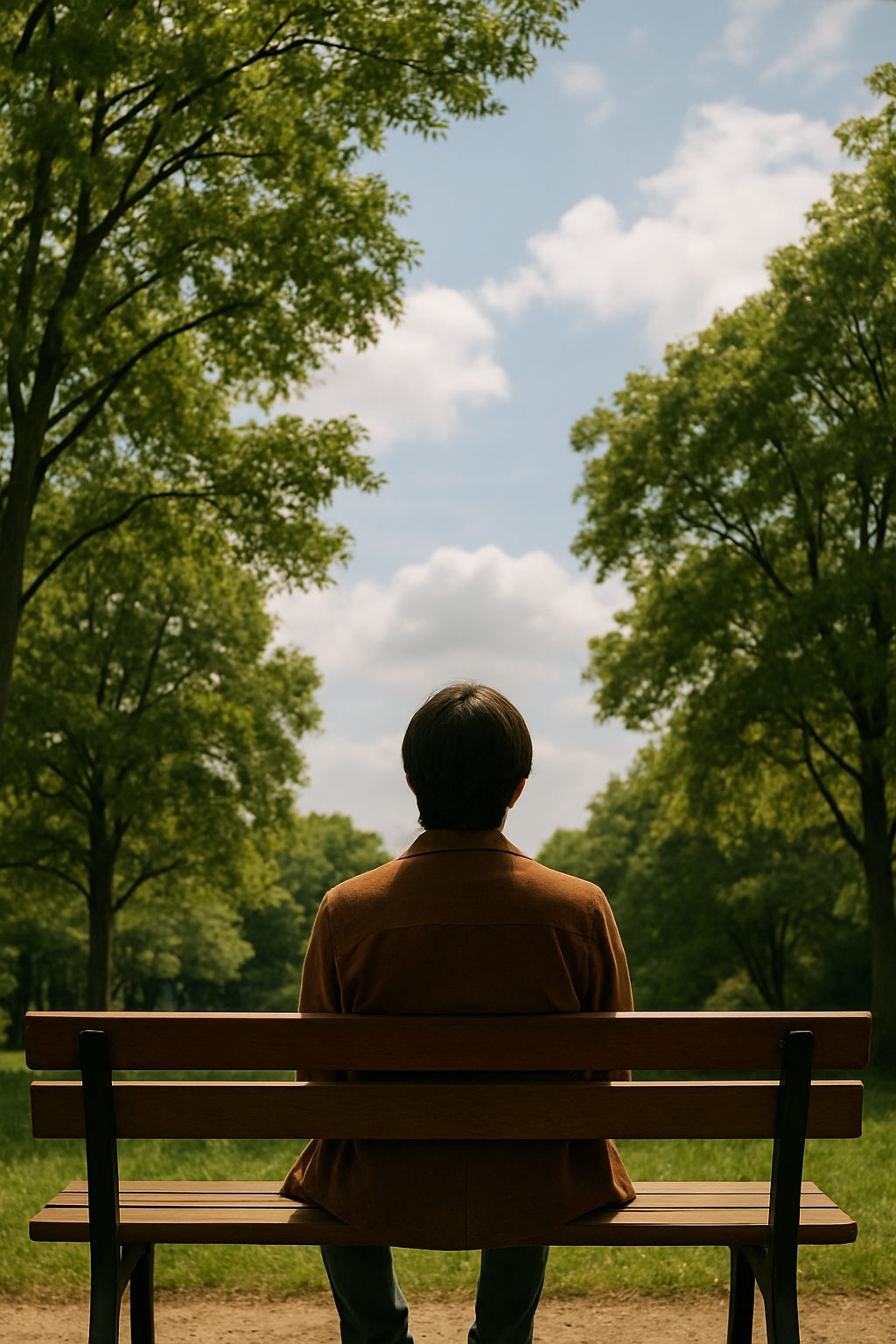
Many people decide to practice mindfulness by buying a yoga mat, downloading meditation apps, or trying to sit in silence at home. But if you’ve ever felt that mindfulness is strangely difficult to start—or even harder to maintain—you’re not alone. For a lot of us, staying still is the most challenging part.
I recently read a book that touched on the relationship between plants, nature, and stress relief, and it reminded me of several scientific studies showing how deeply humans are wired to respond to natural environments.
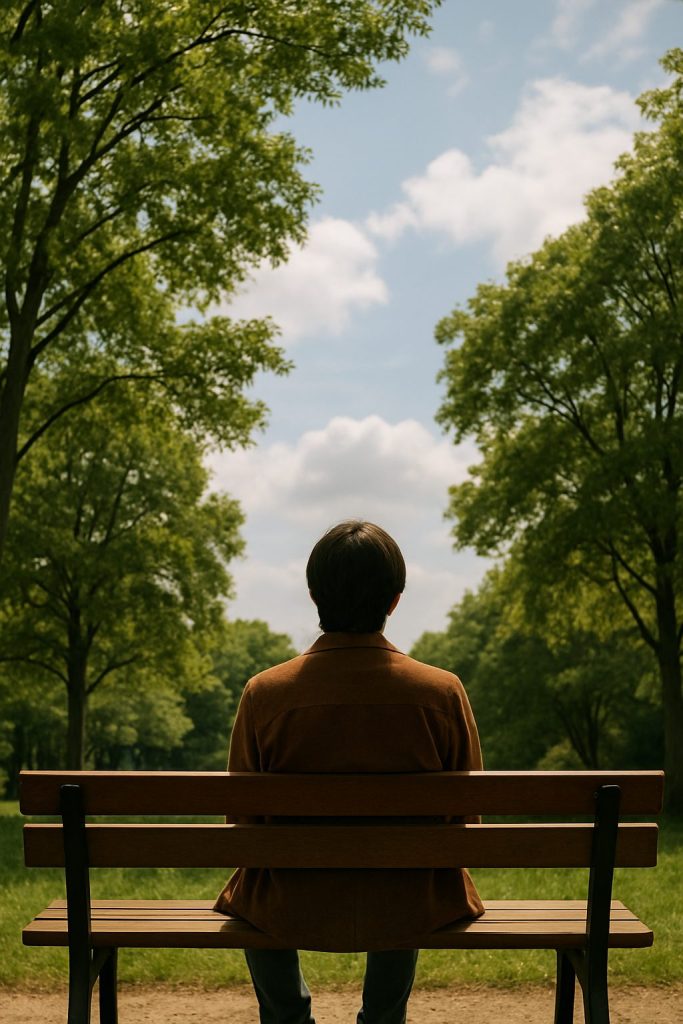
Why Nature Reduces Stress — What Science Says
Multiple research studies show that even brief exposure to natural environments significantly lowers stress levels.
- Roger Ulrich (1984) found that patients recovering from surgery healed faster and required fewer painkillers when their hospital window faced trees instead of a brick wall.
- Stephen & Rachel Kaplan (1995) proposed the Attention Restoration Theory, which explains that natural environments restore our mental fatigue and improve focus.
- E.O. Wilson’s Biophilia Hypothesis suggests that humans have an innate tendency to seek connections with nature and living things.
Recently, I came across an interesting idea in the book The Comfort Crisis by Michael Easter.
According to a public-health study introduced in the book, spending just about five hours a month in nature—even in small neighborhood parks—can noticeably improve stress recovery and emotional stability.
What I found especially reassuring was that you don’t need to travel deep into the mountains or fly somewhere remote to feel these benefits. A short walk through a nearby park, a quiet tree-lined street, or any small pocket of greenery is already enough to help your mind unwind.
You Don’t Need to Go Far — Even Small Parks Count
Of course, taking a long trip into the mountains or visiting a quiet forest would be wonderful.
But realistically, most of us can’t take a weekend trip every time stress builds up.
So what can we do?
✔ Walk to the nearest small park
✔ Find a quiet street with trees
✔ Sit on a bench for just a few minutes
✔ Let your eyes rest on something green—grass, leaves, plants, anything
Even these small actions help the brain shift out of tension mode.
A Swedish experiment with children demonstrated this dramatically:
when kids went camping in a remote area with no internet, they initially felt frustrated and restless. But after a short period, their brain activity shifted into theta waves, which are commonly associated with meditation and deep relaxation. Simply being away from digital distractions activated a calmer mental state.
When Nature Isn’t Available: Bringing Green Into Your Home
If you don’t have access to outdoor nature, caring for indoor plants works, too.
Studies have shown:
- Indoor plants can lower anxiety and improve mood. (Lee et al., 2015)
- Having greenery nearby boosts creativity and concentration. (Shibata & Suzuki, 2004)
I’ll share more about the connection between houseplants and creativity in my next post. Indoor Plants and Creativity: The Mindfulness Link You Didn’t Expect
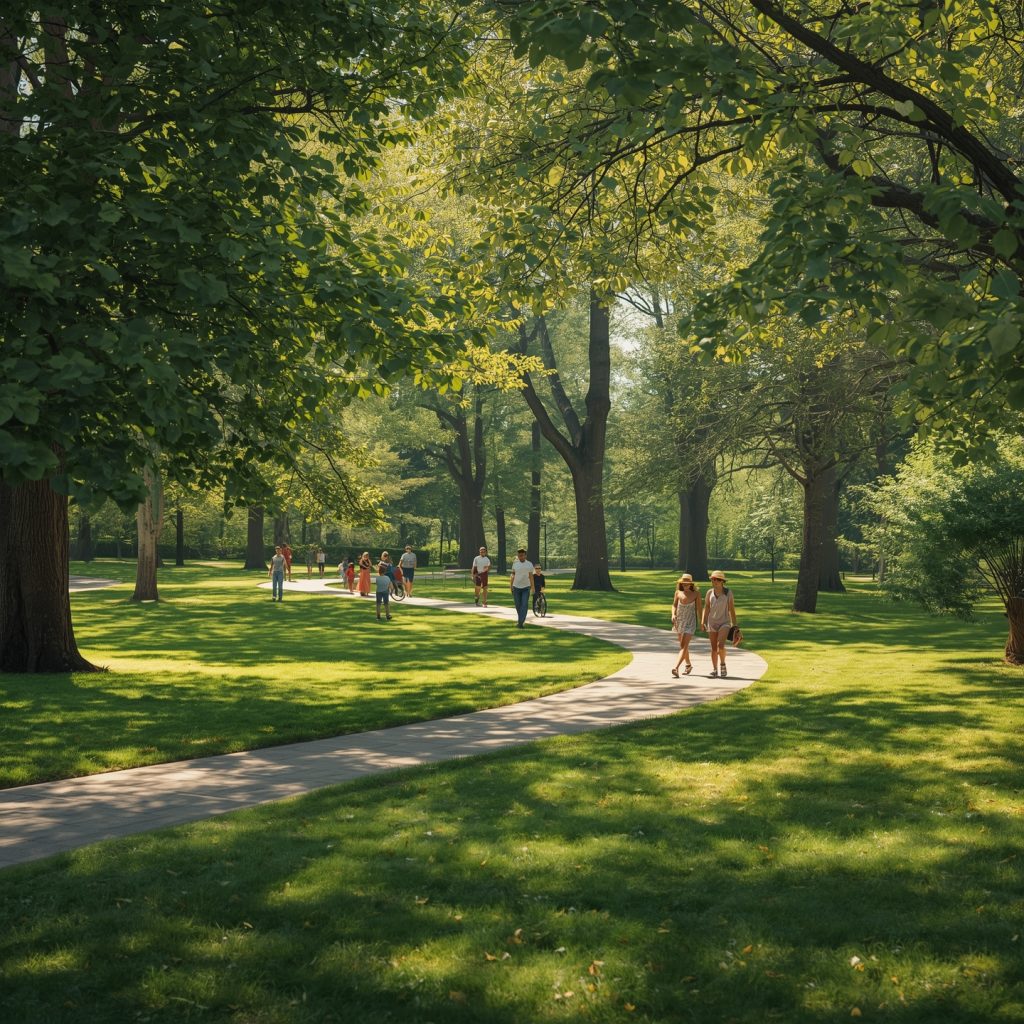
Mindfulness doesn’t always require perfect silence, an empty room, or a long meditation session.
Sometimes, the most practical way to reset your mind is simply stepping outside—even for a few minutes—and letting nature do the work for you.
Try a short walk. Sit under a tree. Look at the sky.
You might be surprised at how quickly your mind begins to soften and breathe again.