
Indoor Plants and Creativity: The Mindfulness Link You Didn’t Expect

indoorplants

Indoor Plants and Creativity have a deeper connection than most people realize. In my previous piece, Why Nature Helps Us Breathe Again: A Simple Approach to Everyday Mindfulness, I wrote about the sense of ease and quiet clarity that natural landscapes bring us. This time, I want to explore something more accessible—the quiet transformation that happens when we keep just one or two plants on a desk, in a corner of the living room, or anywhere we spend our day. You don’t need a forest walk to feel a shift. Even a small indoor plant can meaningfully change the way our mind feels and works.

Research shows that indoor plants are far more than decoration. In one study on the psychological effects of interacting with plants, participants who were working at a computer were asked to move a potted plant or touch its leaves. Their physiological stress markers—heart rate variability, blood pressure, and sympathetic nervous system activity—dropped significantly. They also reported feeling more “comfortable” and “naturally at ease.” Simply being near plants, not necessarily caring for them, had a measurable calming effect.

A 2022 meta-analysis on indoor plants and human functioning also found consistent results: indoor greenery supports cognitive recovery, lowers blood pressure, improves mood, and helps restore concentration after prolonged mental effort. Even just looking at a plant can reduce stress. Studies on office environments show that workspaces with plants—whether large greenery or a single small pot—tend to have employees with lower stress levels, higher satisfaction, and a greater sense of well-being. A small herb on your kitchen counter or a tiny green plant beside your laptop can serve as a micro-break for the brain in a world overflowing with digital stimulation.

Plants work not only visually but sensorially. The color of leaves, the soft texture, the earthy scent of soil, the subtle movement created by indoor air—these sensory cues gently pull our nervous system into a calmer state. They connect us with the outdoors in ways our brain recognizes immediately. As a result, tension softens, the mind loosens, and creative thoughts begin to emerge more naturally. When people say, “I feel lighter” or “I suddenly got an idea,” it isn’t imagination. It’s biology.

Indoor plants also create a quiet rhythm of attention. Wiping leaves, watering soil, or checking new growth reminds us of “this moment” and “continuity.” These tiny acts introduce a slow, grounding tempo into days that are otherwise crowded with notifications and multitasking. Plants become slow and quiet companions in our fast-moving lives.

But perhaps one of the most powerful effects comes from physically touching plants. What we often call a “break”—scrolling on social media, checking messages, or browsing online—does not give the brain real rest. Neuroscience shows that these behaviors simply activate a different neural circuit, leaving the brain just as busy as before. We think we’re resting, yet our mind is still processing rapid input, reacting, comparing, and consuming.

Touching plants, however—feeling the soil, brushing dust from leaves, noticing new growth, or pouring a bit of water—creates a rare moment of non-stimulation. This pause quiets the prefrontal cortex, calms the autonomic nervous system, and gives the mind a gentle reset. Ten seconds spent tending to a plant is completely different from ten seconds of scrolling. One soothes the mind; the other keeps it running.

This is why people often experience sudden clarity, new ideas, or creative solutions while watering plants. What they couldn’t force through deliberate thinking appears effortlessly during this simple, grounding movement. Neuroscientists call this phenomenon a “micro mind-rest”—a brief window where the brain stops processing external noise just long enough to form new creative connections.

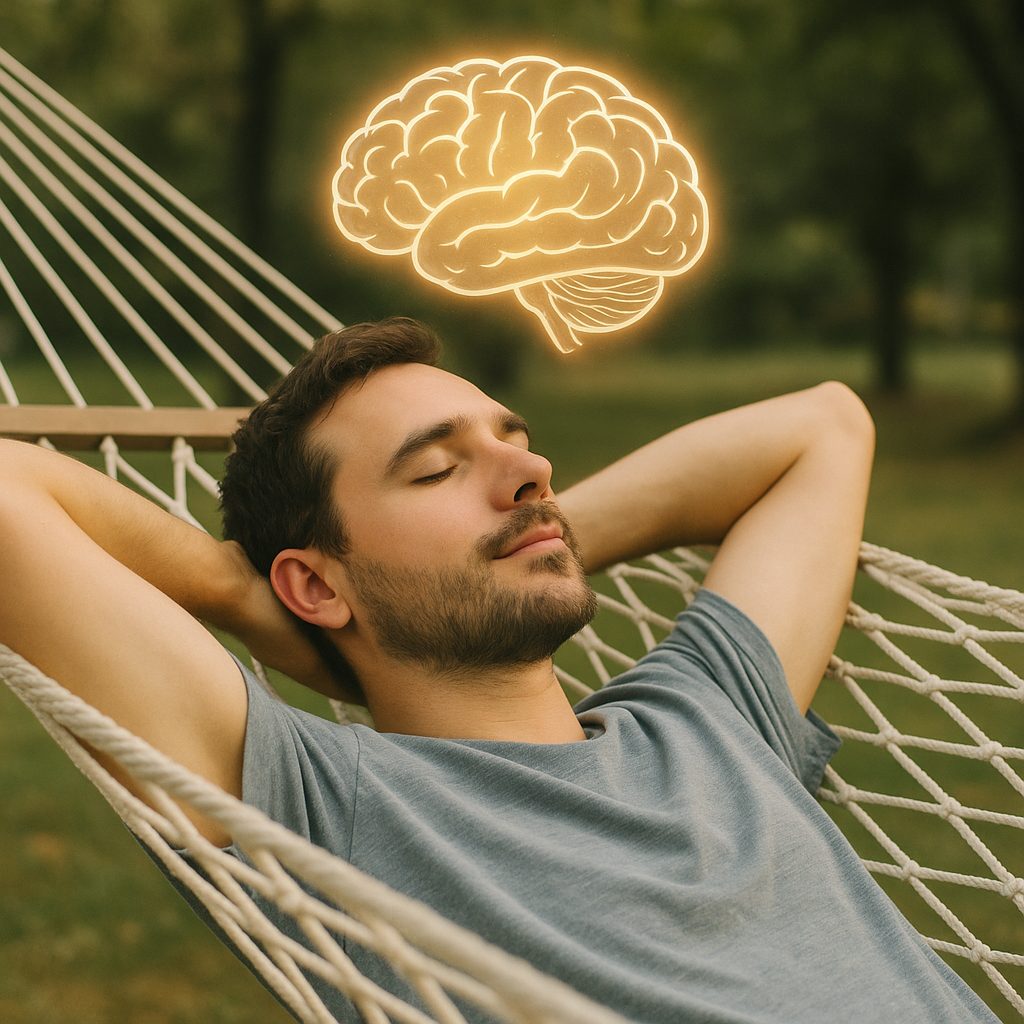
In this sense, even a tiny pot of basil or a single monstera leaf becomes more than decoration. It becomes a small reset button for the mind—one that quietly reinforces the link between indoor plants and creativity, helping us breathe again and imagine more freely.


Why Nature Helps Us Breathe Again: A Simple Approach to Everyday Mindfulness

mindfulness

Many people decide to practice mindfulness by buying a yoga mat, downloading meditation apps, or trying to sit in silence at home. But if you’ve ever felt that mindfulness is strangely difficult to start—or even harder to maintain—you’re not alone. For a lot of us, staying still is the most challenging part.

I recently read a book that touched on the relationship between plants, nature, and stress relief, and it reminded me of several scientific studies showing how deeply humans are wired to respond to natural environments.

Why Nature Reduces Stress — What Science Says

Multiple research studies show that even brief exposure to natural environments significantly lowers stress levels.

  • Roger Ulrich (1984) found that patients recovering from surgery healed faster and required fewer painkillers when their hospital window faced trees instead of a brick wall.
  • Stephen & Rachel Kaplan (1995) proposed the Attention Restoration Theory, which explains that natural environments restore our mental fatigue and improve focus.
  • E.O. Wilson’s Biophilia Hypothesis suggests that humans have an innate tendency to seek connections with nature and living things.

Recently, I came across an interesting idea in the book The Comfort Crisis by Michael Easter.
According to a public-health study introduced in the book, spending just about five hours a month in nature—even in small neighborhood parks—can noticeably improve stress recovery and emotional stability.

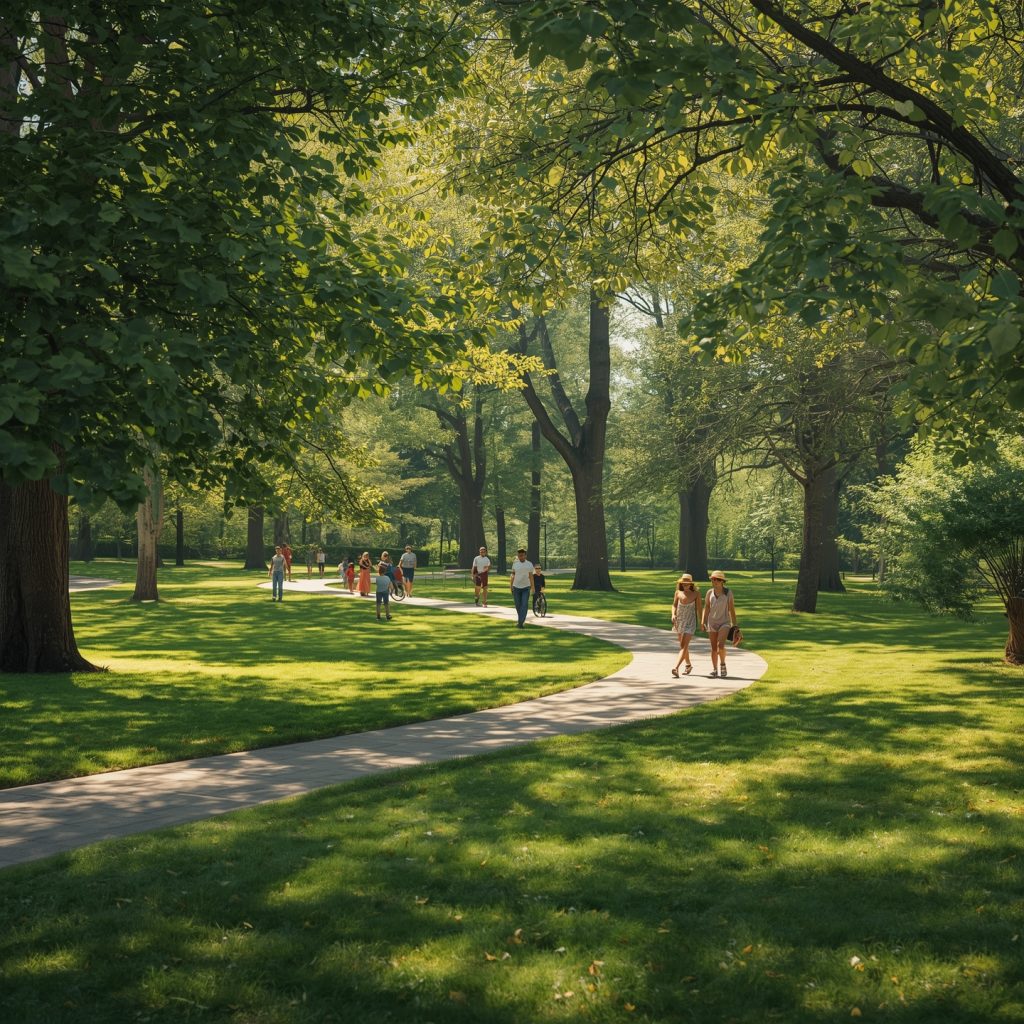
What I found especially reassuring was that you don’t need to travel deep into the mountains or fly somewhere remote to feel these benefits. A short walk through a nearby park, a quiet tree-lined street, or any small pocket of greenery is already enough to help your mind unwind.

You Don’t Need to Go Far — Even Small Parks Count

Of course, taking a long trip into the mountains or visiting a quiet forest would be wonderful.
But realistically, most of us can’t take a weekend trip every time stress builds up.

So what can we do?

Walk to the nearest small park
Find a quiet street with trees
Sit on a bench for just a few minutes
Let your eyes rest on something green—grass, leaves, plants, anything

Even these small actions help the brain shift out of tension mode.

A Swedish experiment with children demonstrated this dramatically:
when kids went camping in a remote area with no internet, they initially felt frustrated and restless. But after a short period, their brain activity shifted into theta waves, which are commonly associated with meditation and deep relaxation. Simply being away from digital distractions activated a calmer mental state.

When Nature Isn’t Available: Bringing Green Into Your Home

If you don’t have access to outdoor nature, caring for indoor plants works, too.

Studies have shown:

  • Indoor plants can lower anxiety and improve mood. (Lee et al., 2015)
  • Having greenery nearby boosts creativity and concentration. (Shibata & Suzuki, 2004)

I’ll share more about the connection between houseplants and creativity in my next post. Indoor Plants and Creativity: The Mindfulness Link You Didn’t Expect

Mindfulness doesn’t always require perfect silence, an empty room, or a long meditation session.
Sometimes, the most practical way to reset your mind is simply stepping outside—even for a few minutes—and letting nature do the work for you.

Try a short walk. Sit under a tree. Look at the sky.

You might be surprised at how quickly your mind begins to soften and breathe again.

The Power of Being Alone: Why We Struggle With Solitude in the Digital Age

power of solitude (3)

We often hear that humans are “social animals,” and that spending time alone is something to avoid. But as I was reading The Comfort Crisis recently, I realized how essential solitude actually is — not just for our emotional health, but for our creativity, productivity, and sense of meaning. Today’s chapter was so insightful that I wanted to shape it into a blog post.

According to the book, many people say they prefer living in the suburbs over the city. Interestingly, this preference has nothing to do with money. Researchers found that people simply want more mental space — a quieter environment where solitude is easier to access. In other words, what we crave is not necessarily a bigger house or a higher salary, but the ability to step away from noise and be alone without feeling guilty or anxious.

How Social Media “Dirties” Our Alone Time

One study from Miami University in Ohio really stood out to me. The researchers argue that modern social media has made it almost impossible for people to enjoy being alone. Instead of experiencing quiet moments, we immediately reach for our phones out of fear — the fear of missing out, fear of being excluded, fear that something exciting is happening without us. This is the classic FOMO we all know too well.

Even when we try to disconnect, our minds don’t know how to handle the silence. If a friend arrives late, we pull out our phones. If we’re sitting alone at a café, we scroll without thinking. It’s become a habit so automatic that solitude no longer feels like rest — it feels like a threat. Not because solitude is inherently scary, but because we were never taught how to spend time with ourselves.

The Surprising Benefits of Solitude

What’s ironic is that solitude brings incredible benefits backed by research. Good, intentional alone time can:

  • Increase productivity
  • Boost creativity
  • Strengthen empathy
  • Improve overall happiness
  • Reduce self-consciousness and overthinking

When we allow ourselves to step away from constant stimulation, our minds actually reset. We become less reactive, less sensitive to others’ opinions, and more connected to who we are and what we want.

So if solitude is so good for us, why do we avoid it so much?

Why Being Alone Feels Hard

I think it’s because solitude requires us to face ourselves — our thoughts, our emotions, our doubts. Without a phone or soundtrack in the background, we are left with the question:

“What do I do with myself?”

Most of us don’t have an answer.
So we fill the quiet with noise — TV, music, scrolling, or checking updates from people we barely know.

power of solitude

And this habit has long-term consequences. When we’re always distracted, even the moments spent with people become shallow. Think about it: if we cannot be fully present when we’re alone, how can we be fully present with someone else?

We end up investing more emotional energy into online strangers, influencers, or people we see once a year, instead of the people sitting right next to us.

Learning to Be Alone Is a Form of Self-Reliance

Life naturally changes. Friends move away, relationships evolve, and seasons of loneliness come and go. Because nothing — no friendship or relationship — stays perfectly the same forever, the only stable source of support is the ability to rely on ourselves.

Solitude isn’t about avoiding people.
It’s about building a foundation strong enough to stand on your own.

When you become comfortable being alone:

  • You become less dependent on others emotionally
  • You stop worrying about being “left out”
  • You form healthier, more grounded relationships
  • You gain clarity about your real needs and values

This is why spending intentional time alone isn’t selfish — it’s essential.

Questions Worth Asking Ourselves

As I reflect on this chapter, I find myself wondering:

  • How often do I spend time alone without my phone?
  • Am I afraid of silence?
  • Do I use social media to avoid my own thoughts?
  • When was the last time I waited for someone without scrolling?
  • How can I create more meaningful “empty spaces” in my day?

Maybe solitude isn’t something that happens naturally — maybe it’s something we have to practice, like a skill.

And maybe learning to enjoy being alone is one of the most important strengths we can build in a world full of noise.

Why Silence Feels Uncomfortable: The Psychology Behind Avoiding Quiet Moments

Why do so many people find silence uncomfortable?

Why does being alone with our own thoughts feel more difficult today than it used to?
One study famously showed that many people would rather experience something unpleasant than sit alone with their thoughts. In this experiment, participants were asked to spend just 6–15 minutes in a room with no distractions—no phone, no music, nothing to do but think. Surprisingly, a significant number of them chose to press a button that delivered a mild electric shock rather than stay in silence with their minds. This raises an important question: What is happening in our minds during quiet moments that feels so unbearable? Silence doesn’t feel neutral anymore—it feels like a space we need to escape. In short, silence feels uncomfortable.

This discomfort with quiet doesn’t automatically mean loneliness, but the two can be connected. When we constantly avoid being alone with ourselves, we lose the chance to notice what we’re feeling or what we truly need. That lack of inner attention doesn’t instantly turn into loneliness, but it can create subtle emotional emptiness. Still, silence-anxiety and loneliness are not identical; they simply share a similar root: our unfamiliarity with our inner world.

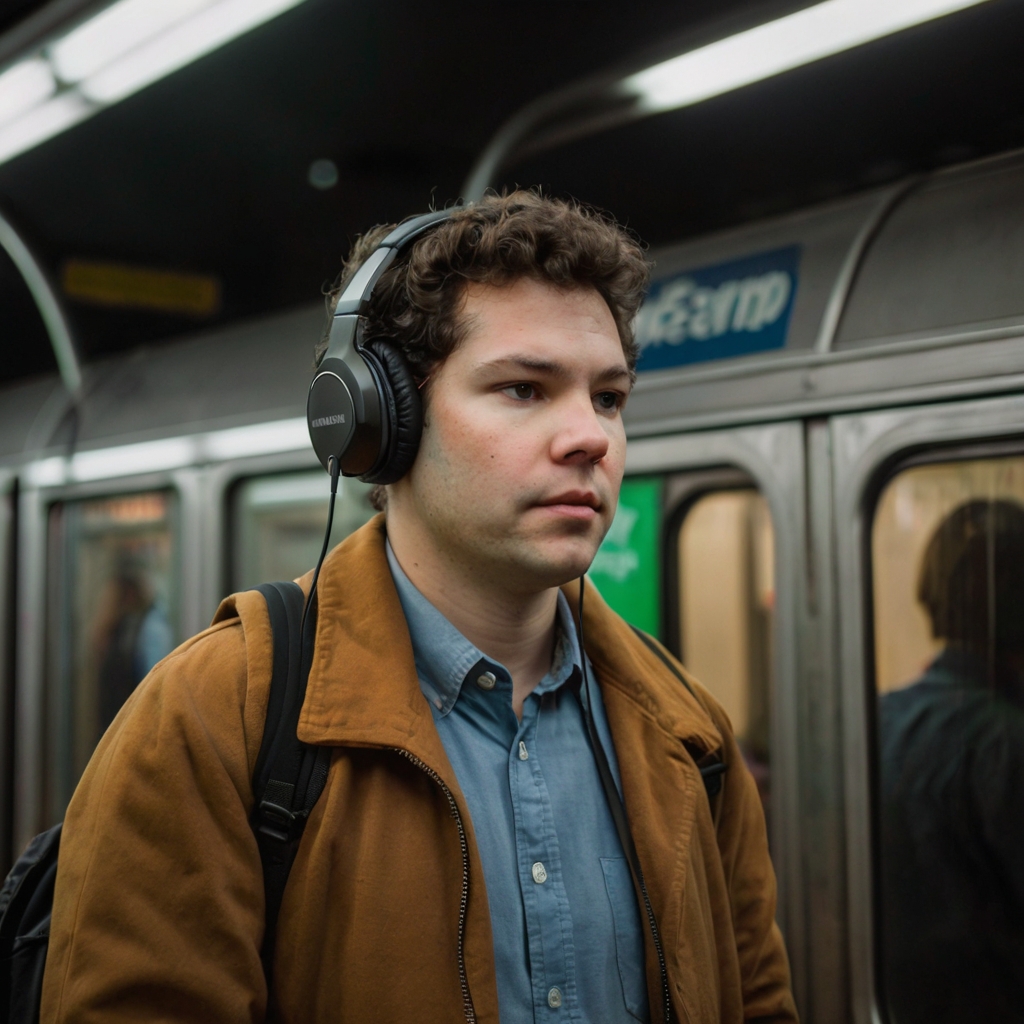
And this is where modern life becomes even more interesting. Even in noisy environments—like subways, crowded streets, or busy cafés—people instinctively reach for their earphones. They’re surrounded by sound, background noise, yet they add another layer of sound on top of it. At first glance, it looks contradictory: why add more noise to noise? But maybe it isn’t about escaping sound. Maybe it’s about controlling it.
When the world feels too chaotic, unpredictable, or overwhelming, curated sound becomes a protective shell. And this also explains why noise-canceling headphones have become so popular: people aren’t only trying to block out the external world—they’re trying to create a small pocket of inner stability, a space where their own thoughts can feel less threatened.

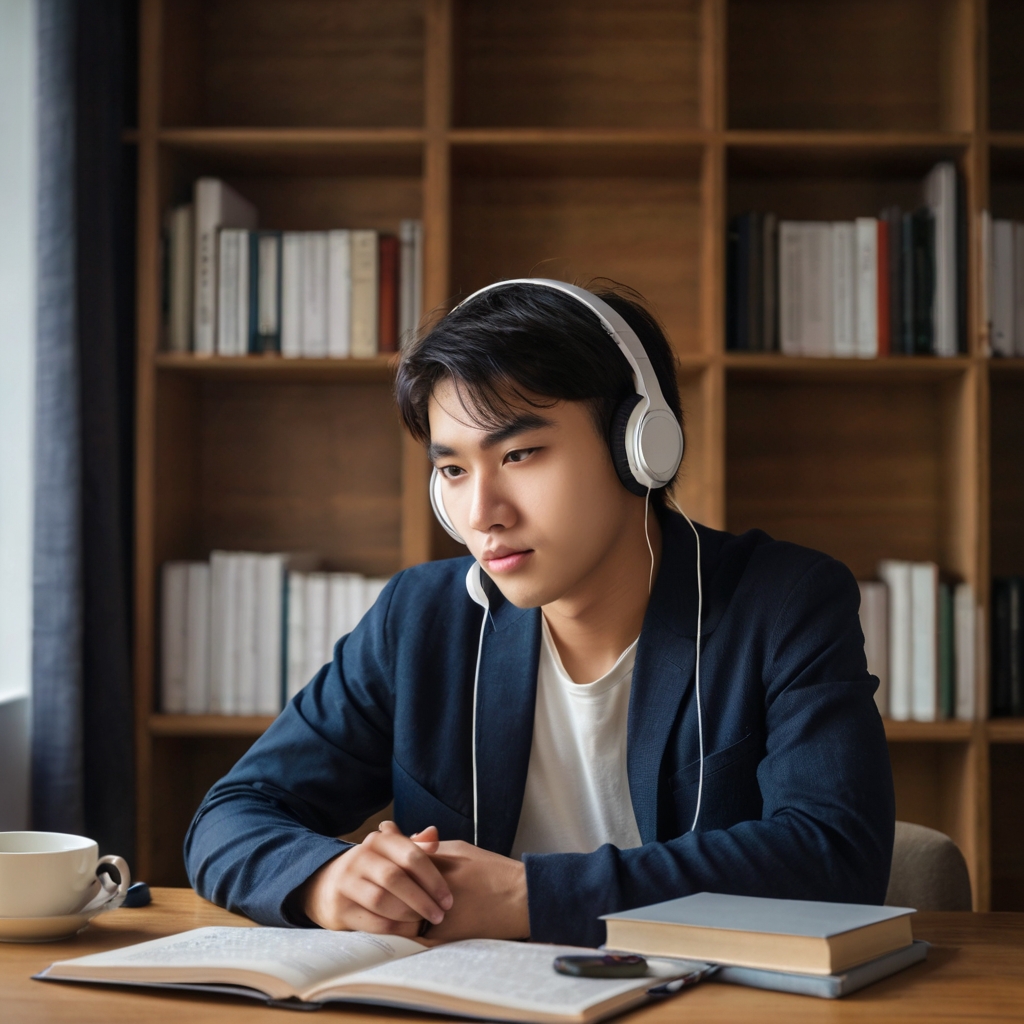
This is also why background sound becomes so appealing. Many people turn on music, TV, or YouTube not because they want entertainment, but because noise offers a sense of companionship. It fills the room just enough so they don’t have to face the full weight of quiet. And honestly, if it works for you, there’s nothing wrong with that. I sometimes do the same. When I read or study, I play instrumental music in the background. With soft sound around me, my attention settles; time passes more gently; my thoughts feel less scattered. The music doesn’t pull me away from myself—if anything, it supports me while I stay with my thoughts.

So using music or ambient sound isn’t a failure to be mindful presence. It can be a bridge. A gentle rhythm that keeps you company as you practice being present. A structure that makes the quiet feel a little less sharp. What matters isn’t perfect silence—it’s the intention behind how we choose sound. Instead of using noise to escape ourselves, we can let it help us stay with ourselves.

Why We Can’t Stand Being Alone: Noise, Distraction & Mindful Focus

Recently I encountered an article suggesting that many people today simply cannot stand being alone—or more precisely, alone in silence. The moment they enter a quiet room, they reach for the remote, turn on music, or open YouTube. The silence becomes too heavy.
At first I thought: this is not just a social problem, but a clue into how we relate to our own minds.

I explored this idea more deeply—why silence feels uncomfortable, why we instinctively reach for noise, and how music can actually support mindful presence.
You can read the full piece here → Why We Struggle to Be Alone

Why do so many of us feel this way?

First, modern life conditions us to avoid emptiness.

We carry phones in our hands even while walking across the room, we sleep with the TV on, we scroll before we rise. Silence is no longer a neutral space—it feels like a void to fill. The article pointed out that, when stripped of external noise, people often feel restless, anxious, or bored, and instinctively fill the space with sound to avoid that discomfort.

Second, background noise has become a form of psychological insurance.

If I keep music on, I’m not really alone with my thoughts—I’m accompanied by a rhythm, a voice, or a beat. The article noted that for many people the constant hum of music or video is less about enjoyment and more about not being alone with themselves. The noise is the companion.

But here’s the interesting part: That doesn’t automatically make background noise a bad thing. In fact, if it works for you—if music helps you focus, if the hum of a familiar playlist calms your nerves—then it is a valid tool. I count myself among those people. When I read, or when I work on something quietly, I sometimes play instrumentals or light ambient music. I notice two things happen: time passes more easily, and my mind seems more settled. I’m not running away from silence—I’m choosing a kind of supported presence.

Consider this: you walk into a room, turn on a mellow playlist, sit down with your book. Instead of thinking “I must entertain myself,” you think, “I’ll allow this sound, but I’ll stay with my thoughts too.” The playlist becomes a backdrop—not a distraction, but a frame. And the silence between the notes becomes part of your attention. You’re not filling the space; you’re inhabiting it.

The article made me reflect: maybe the piece many of us struggle with isn’t the quiet itself—it’s the lack of habit of being with our minds when nothing else demands our attention. If you’ve never spent time without external stimulation, then the first moment of silence feels like nothingness, and you recoil. So you turn on the TV, blur into a video again, and the pattern continues.

There’s also a deeper reason: when your attention always skips outward—toward sounds, screens, other people’s content—then your inner world becomes underfed. You don’t notice small moods, you don’t hear subtle thoughts, you don’t feel the turn of your desires. Your mind stays busy, but not attentively. I believe this is a core reason people feel a kind of quiet loneliness, even if they’re surrounded by noise.

For me, the choice to turn on music is not a capitulation. It’s a choice. I decide: “This is the sound I’ll accompany myself with while I stay with my thoughts.” I read, chop vegetables, or walk—all while a soft soundtrack hums. And because I’ve decided this, I’m not escaping. I’m staying. I’m inviting the sound and the silence to co-exist.

Here are a few gentle ideas if you want to experiment with your own background sound:

  • Try instrumental music when reading: no lyrics, just tone and pacing. Notice how time moves.
  • On a short walk, turn off your phone’s music/unpodcast for five minutes—just footsteps and ambient sound. Then switch music back and notice the difference.
  • Cook something small and focus on the rhythm—the sound of chopping, the hiss of the pan—maybe with soft music in the background.
  • If you feel uneasy in full silence, don’t force it. Choose a playlist that you like, but tell yourself: “I’ll still keep my mind present.”

Ultimately, the goal isn’t: “never turn on music.” It’s: “make a conscious choice about what sound I bring into my space—and what space I leave for my mind.” In doing so, we give ourselves practice in stillness, focus, and presence. And maybe, bit by bit, we begin to tolerate—and even appreciate—those quiet moments rather than fearing them.

Because when you learn to be with yourself—even while a low hum plays in the background—you build a relationship with your attention. You realize: I am here. I am listening. And in that listening, the need to constantly fill the space starts to soften.

Reflect, Don’t Rush: How Stillness Shapes Growth

In a world that praises momentum, stillness can feel like a pause we can’t afford.
But sometimes, it’s the quiet spaces between motion where growth truly begins.
When life slows—like winter settling in after the rush of fall—we’re invited to listen more deeply: to our breath, our thoughts, our own pace.

Stillness isn’t stagnation. It’s a season of gentle recalibration, where the mind softens and the body rests just enough to begin again.
Just as trees shed their leaves to gather strength underground, we too grow in unseen ways when we stop striving. The roots of clarity form in silence.

Winter feels different for everyone. Some people associate it with the warmth of family, shared meals, and cozy gatherings; others feel the weight of reflection—the cold air that carries quiet questions like, “What have I really done this year?”
I tend to be the latter. Winter often makes me restless, anxious, and strangely nostalgic.
But lately, I’ve realized something: winter is not a judgment, it’s simply a rhythm of nature. It’s not here to test us—it’s just here, asking us to move a little slower, to breathe a little deeper, and to trust the cycle we’re in.

Ultimately, what matters is how prepared we are inside.
Think of a seed: even in dormancy, it holds life within, quietly storing energy, waiting for the right moment.
If that seed loses vitality—if it forgets what it carries—then even in spring, with sunlight and warmth, it cannot bloom.
We’re not so different. Our inner readiness determines how we grow, not the season around us.
Gentle winter movement, mindful exercise, and slow living all remind us that nurturing the self is more important than controlling the environment.

During these colder months, I find comfort in simplicity—the slower mornings, the faint light that filters through frosted windows, the way warm tea steams like a small ritual of presence.
These moments remind me that growth doesn’t demand noise or urgency. It asks for attention. A slower rhythm. A willingness to be here, not ahead.

As I practice moving through the season more intentionally, I’ve learned that gentleness has its own kind of strength.
When I choose warmth over rush, reflection over reaction, I start noticing subtle changes: how my shoulders relax during a stretch, how my thoughts soften during a walk, how my breath steadies when I stop trying to “fix” the day.
These are not grand transformations—they’re quiet recalibrations. They’re proof that change doesn’t always roar; sometimes, it hums.

The beauty of slow living is that it gives us permission to realign, not to retreat.
We begin to realize that the goal isn’t constant progress—it’s balance. Some days, productivity looks like stillness. Some days, wellness means saying no, staying in, or simply noticing the way sunlight lands on the floor.
This, too, is growth: the kind that happens when you finally stop rushing long enough to feel your own rhythm.

So if you find yourself rushing toward what’s next, pause. Reflect.
Ask not how far you’ve gone, but how deeply you’ve understood the journey.
Because stillness doesn’t hold you back—it shapes the way you move forward.
In the end, winter reminds us that slowness is not the absence of life—it’s the breath before becoming.

Is AI Boosting Productivity or Stealing Our Focus?

stolen-focus

Recent years, it has become almost impossible to avoid the conversation around AI. Everywhere we look, people are saying that artificial intelligence. boosts productivity and saves countless hours. And on the surface, that’s true. I personally use AI every day—mostly GPT for writing and coding support, and image generation tools for creative projects. It feels like a digital assistant that can deliver results in seconds. Tasks that once took me 30–60 minutes now sometimes take just a few clicks.

But I’ve also started to notice something troubling: faster output does not always mean deeper productivity.

When Speed Replaces Engagement

Before I leaned on GPT, writing was a slow but immersive process. I would sit down, gather my thoughts, and carefully shape them into words. That process demanded focus, and even though it took longer, it made me feel more connected to my ideas.

Now, I can simply type “Can you draft this?” and within moments I have a polished paragraph. It’s efficient, but it also feels a little empty. Because the words didn’t pass through my own mental filters, I sometimes forget what I’ve already written. I’ve even caught myself publishing articles with almost identical arguments—something that rarely happened when I was more involved in the process.

The Hidden Cost of Passive Creation

One unexpected side effect is that when I let AI take over too much of the process, I actually feel sleepier and lose focus more quickly. It’s almost as if my brain disengages because I am not actively involved. Sometimes I catch myself dozing off or getting drowsy much sooner than when I was fully immersed in writing or problem-solving on my own.

This aligns with research showing that passive screen time often increases fatigue because our brains crave active engagement. When AI reduces our role to a few quick prompts, the creative “muscles” we once used start to weaken. Frontiers in Psychology highlights that passive digital activities can make us feel more drained, not less.

The Distraction Trap

AI also creates a strange time paradox. While waiting for a long piece of text or code to generate, I often have a few minutes of downtime. Instead of just pausing, I end up reaching for my phone. A quick scroll on social media, a glance at the news, or a short video—and suddenly, I’ve lost my focus entirely. What should have been a three-minute wait often turns into a twenty-minute distraction cycle.

It’s ironic: AI is supposed to save time, but without discipline, it can actually steal it.

The Bakery Analogy

I like to think of it this way: AI-generated work can feel like buying bread from a factory. It’s fast, consistent, and efficient. But when you bake bread yourself—choosing ingredients, kneading the dough, and even failing a few times—the result carries more meaning. The product might look similar, but the process gives it soul.

Similarly, when we rely too heavily on GPT, the personal investment in our work decreases. That lack of ownership not only reduces satisfaction but can also erode creativity and long-term skill growth.

Balancing AI and Mindfulness

So, how can we make AI a helpful tool rather than a silent thief of our focus?

  1. Stay in control of the creative process. Draft your main ideas first before handing them to AI for polishing.
  2. Limit passive waiting. If a task takes time to generate, step away from the screen instead of reaching for your phone.
  3. Use AI as a sparring partner, not a ghostwriter. Let it challenge your thinking, not replace it.
  4. Practice mindful work. As Greater Good Science Center points out, mindful engagement keeps us energized and reduces burnout.

The Bigger Question

As Harvard Business Review notes, AI creates a productivity paradox: it makes us faster, but not necessarily more effective. Real productivity isn’t just about speed—it’s about attention, depth, and meaning.

So, ask yourself: is GPT helping you reclaim time for what matters, or is it quietly stealing your focus?

For me, the answer depends on how I use it. When I set clear boundaries, AI becomes a valuable ally. But when I let it take over entirely, I end up not just less creative—but sometimes even more tired.

Why Knitting is a Powerful Mindfulness Practice

knitting

Did you know that knitting can boost brain health, offering benefits similar to meditation?

When people think of knitting, they often imagine it as an old-fashioned pastime—something reserved for winter evenings or older generations. But knitting has been quietly transforming in recent years. More people, including younger generations and even men, are discovering that knitting is not only creative and practical but also profoundly meditative. Some call it hand meditation—a mindful practice that soothes the mind while engaging the body.

Knitting

My First Encounter with Knitting

I first encountered knitting through a volunteer project with Save the Children. In some regions of Africa, newborns face harsh temperature changes at night, and hand-knitted hats can make the difference between life and death. Volunteers were encouraged to knit these hats, and that’s when I picked up my needles for the first time.

What began as an act of service soon became personal. I started with knitting needles, later explored crochet hooks, and even joined online classes to make socks, wallets, and small bags. At first, I thought knitting was only useful in winter. But gradually, I realized it could be part of everyday life, producing items both functional and full of meaning.

Why Knitting is Called “Hand Meditation”

Knitting is often described as a form of meditation you can touch. But why?

  • Repetition as rhythm: Each stitch is a quiet anchor to the present moment. Just like following your breath in meditation, the repetitive motion of knitting helps still the mind.
  • Focus over distraction: Unlike scrolling on a phone, knitting requires steady concentration. The yarn keeps your hands busy and your brain engaged in one flow of attention.
  • Slowness in a fast world: In a culture obsessed with instant gratification, knitting invites slowness. It takes time, patience, and presence—and this is precisely its gift.

Knitting resists the fragmented pace of modern life. Instead of scattering attention across apps and notifications, it helps us return to ourselves.

Knitting

What Science Says About Knitting and the Brain

Knitting is not just relaxing; it has measurable effects on the brain and mental health.

  • An international study on crochet found that participants reported feeling calmer (89%), happier (82%), and more useful (74.7%) after engaging in the craft (PubMed study).
  • National Geographic highlighted how knitting activates the brain’s reward network differently than social media does. Instead of short dopamine spikes, knitting strengthens steady neural pathways that improve focus, mood, and resilience (National Geographic).
  • Programs like Mindfulness through Knitting show that the practice can lower stress hormones, slow heart rate, and help people manage intrusive thoughts (National Health Corps).

Together, these findings confirm what knitters have always known: every stitch is not just creative—it’s restorative.

Beyond Relaxation: The Hidden Benefits

For me, knitting is more than relaxation. It’s a way to:

  • Relieve stress: Like a stress ball, the repetitive hand motion releases tension.
  • Enhance concentration: I often knit while listening to podcasts or documentaries. The rhythm of knitting helps me absorb and remember more.
  • Protect from digital distraction: On public transport, I choose yarn over endless scrolling. Instead of losing an hour on social media, I create something real.
  • Feel achievement and attachment: Each handmade item, imperfect as it may be, carries personal meaning. It’s not just an object; it’s a reflection of time and care.

A Lesson in Patience and Life

Knitting also offers unexpected life lessons. When I rushed or tried to knit while distracted, I made mistakes—dropped stitches, wrong counts, tangled yarn. Sometimes, I had to unravel hours of work. It reminded me of life itself: the outcome depends on how we build our days, one choice at a time.

Each row of stitches is like a day. Alone, it seems small, but together they create something lasting. The process teaches patience, resilience, and the value of steady progress.

KnittingMeditation

A Growing Movement: Not Just for Women or Winter

Knitting is no longer confined to older women or seasonal hobbies. In fact, younger generations and men are embracing it too. The Guardian even reported on “a new generation of male knitters” who see it as both creative and therapeutic (The Guardian). This shift shows that knitting is being recognized for its universal benefits: mindfulness, mental health, and creative expression.

Why You Should Try Knitting

You don’t need to wait until retirement to try knitting. Free classes are available in libraries and communities, and countless tutorials exist on YouTube. Yarn and a single hook are enough to start.

Knitting offers more than scarves or socks. It offers stillness in a noisy world, a practice of patience in an impatient culture, and a way to reconnect with both creativity and mindfulness.

If you’re searching for a simple life practice that nurtures your brain, reduces stress, and builds presence one stitch at a time, knitting may be exactly the meditation you didn’t know you needed.

Knitting for Beginners: How to Start Without Feeling Overwhelmed

The Best Yarns and Tools for Mindful Knitting: A Beginner’s Guide

Knitting in Public: How Commuting Can Boost Mindfulness and Creativity

Why Our Dopamine-Saturated Brains Need Simple Living

Dopamine

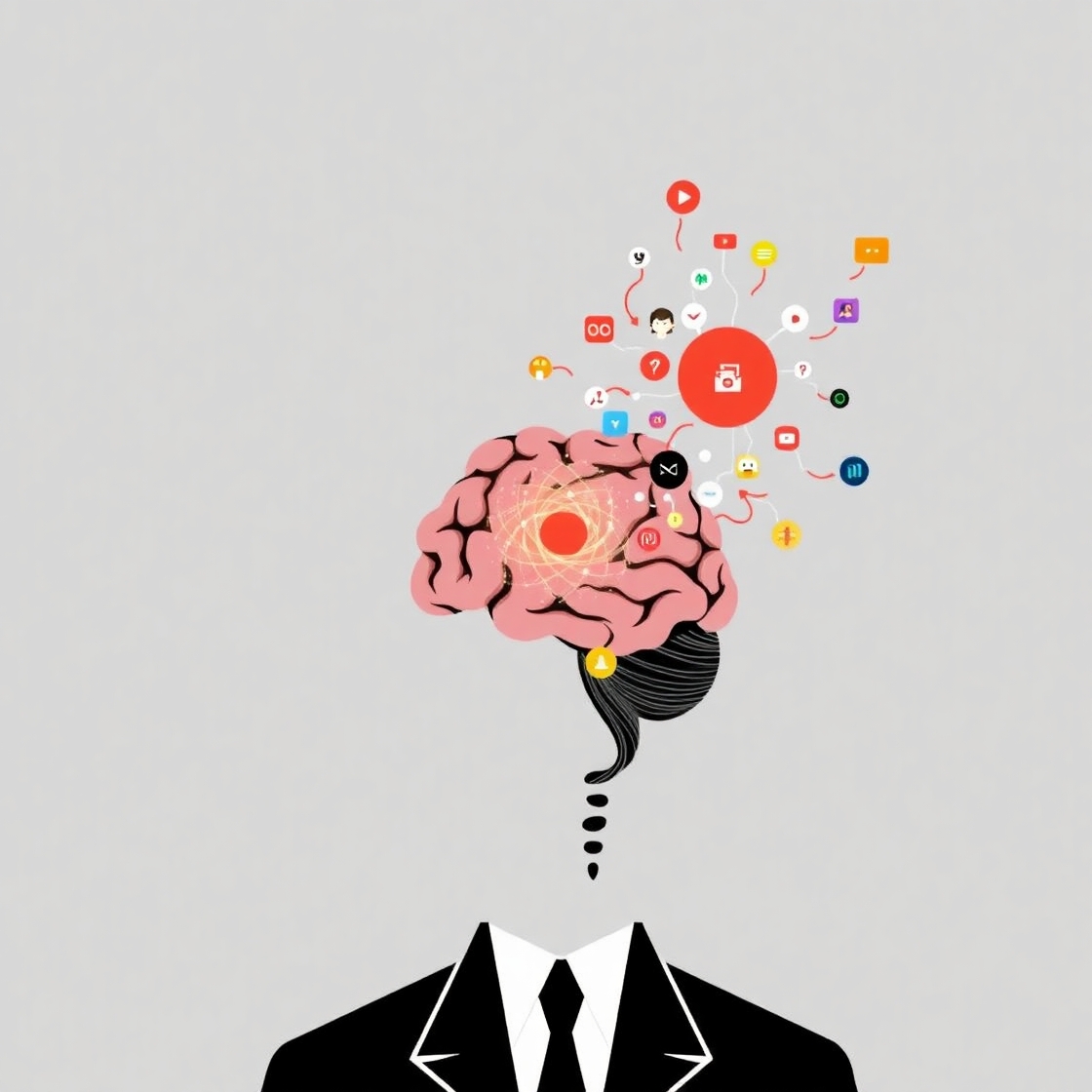
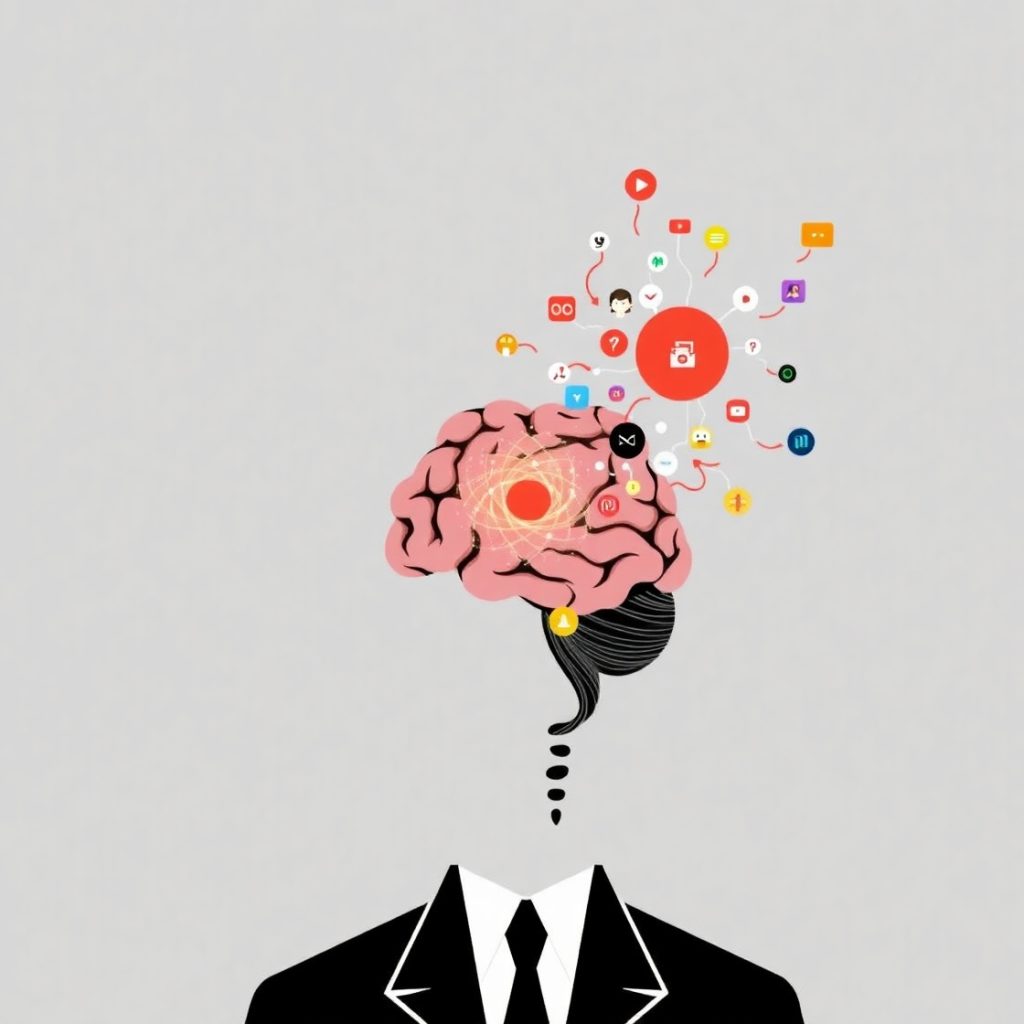
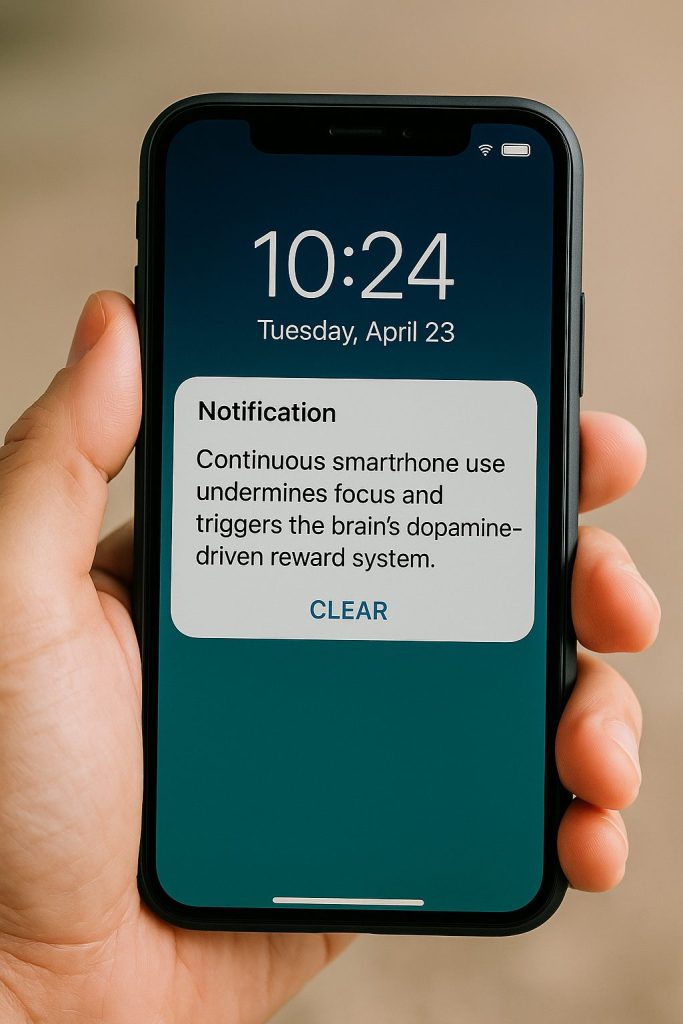
Every day, our phones buzz, apps ping, and endless feeds compete for our attention. Each small alert offers a dopamine hit—a quick jolt of pleasure that keeps us coming back. Over time, this rewires the brain, making it harder to focus, to delay gratification, and to invest in anything that takes time.

Dopamine

In his book Stolen Focus, Johann Hari argues that modern life has hijacked our ability to concentrate. We live in an economy built to steal attention, and the result is a brain that craves novelty and distraction more than depth or patience. Similarly, in Dopamine Nation, Dr. Anna Lembke explains how the constant chase for dopamine—through technology, substances, or behaviors—leads to imbalance, leaving us restless, anxious, and unable to find satisfaction in simple things.

The Dopamine Trap

Neuroscience shows that dopamine is not just about pleasure—it’s about anticipation. Each notification or scroll fuels a cycle of wanting more, but rarely feeling fulfilled. The more we indulge, the less sensitive the brain becomes, demanding even stronger or more frequent stimulation.

This is why scrolling for “just five minutes” often turns into an hour. Why silence feels uncomfortable. Why many people report feeling bored even when resting. Our brains, saturated with dopamine, have forgotten how to slow down.

And you’ve probably experienced this yourself: you pick up your phone with a clear goal—to search for something, check one message, or quickly look up information. But within minutes, you’ve forgotten your original intention. Instead, you’ve been pulled into a different app, distracted by a flashy advertisement, or lost in a chain of unrelated headlines. This isn’t just coincidence or weak willpower—it’s how modern digital platforms are designed. Each redirection delivers a small dopamine surge, rewarding the brain for getting sidetracked and making it harder to stay anchored to the task that actually matters.

Over time, this pattern rewires the brain. Instead of moving with focus and purpose, we slip into reaction mode, constantly responding to the next notification, the next banner, the next suggestion. Our attention becomes fragmented, and the ability to follow through on meaningful goals begins to fade. This is why embracing a simple life and practicing mindful habits isn’t just about lifestyle preference—it’s a way to reclaim control over the brain. By creating moments of stillness, free from constant stimulation, we retrain ourselves to stay present, to resist distraction, and to rebuild the patience our dopamine-saturated world erodes.

Dopamine

Long-Term Costs of Short-Term Rewards

The cost is not just wasted time. A dopamine-saturated brain struggles with patience, resilience, and deep focus. Projects that require sustained effort feel overwhelming. Relationships suffer because we expect constant novelty. Even our sense of self erodes, as we let external noise dictate our moods and attention.

Hari points out in Stolen Focus that attention is not just a skill—it’s the foundation of how we think and who we become. If we lose the ability to focus, we lose the ability to fully live. And as Dr. Lembke emphasizes in Dopamine Nation, recovery requires recalibrating our reward systems—choosing discomfort in the short term to regain balance in the long term.

Simple Life as an Antidote

This is where the philosophy of a simple life and mindfulness becomes more than a lifestyle trend—it becomes brain health. Activities like meditation, knitting reading, running, or cooking may not deliver instant gratification, but they retrain the brain to adapt to slower, deeper rewards.

By intentionally spending non-consuming time—time not centered on quick digital hits—we teach the brain to value patience and process. This shift strengthens pathways linked to resilience and calm. Slowly, we remember how to find joy in the act of doing, not just in the quick result.

My Reflection

When I think of a simple life, I no longer see it only as a way to reduce stress or live minimally. I see it as a direct investment in my brain. Each time I put my phone down to cook, write, or sit in quiet reflection, I am choosing to heal the neural pathways worn down by constant stimulation.

It is not easy. My brain often resists the silence, craving the quick fix of a notification. But with practice, the pull weakens, and a deeper kind of satisfaction begins to emerge.

Conclusion: Investing in Your Future Self

Our brains are not built to withstand endless streams of dopamine without consequence. Left unchecked, this cycle steals our focus, drains our energy, and disconnects us from ourselves.

Choosing a simple life—one built on mindfulness, patience, and non-consuming time—is not just about preference. It is a way to rewire the brain, to reclaim balance, and to protect our future self.

The question is no longer just, Do I want to live simply?
It becomes, Am I willing to invest in the health of my brain and the quality of my future?

And with each small choice for simplicity, the answer can be yes.

Why Non-Consuming Time Is Essential for Brain Health and Long-Term Happiness

brain health

Modern life is full of instant rewards. A single scroll through social media or a quick notification gives our brain a burst of dopamine. It feels satisfying in the moment, but this habit wires our brain to expect constant stimulation. Over time, this short-term cycle makes it harder to focus, build patience, or invest in our future selves.

This is why non-consuming time—activities like meditation, running, reading, playing music, or cooking—is so important. Unlike passive scrolling or instant entertainment, these activities don’t provide quick results. Instead, they train the brain to find meaning in the process and help us adapt to long-term rewards.

The Science Behind Instant Gratification

Neuroscientists point out that our brains are highly sensitive to immediate rewards. Each “like” on a post or new message triggers a dopamine release, creating a loop that makes us seek the next hit. This is why social media and smartphones are so addictive.

But there’s a cost. By feeding only on instant gratification, the brain becomes less tolerant of delay. Long-term projects feel harder, patience feels impossible, and even rest can feel uncomfortable. This shift is one reason so many people feel restless, anxious, or burned out despite constant activity.

brain health

Non-Consuming Time and Brain Health

Non-consuming time is the time you can freely use—separate from sleeping, eating, and working. It is the space in your day not dictated by basic needs or obligations, but by conscious choice and intention.

Non-consuming activities break this cycle. When we practice meditation, learn an instrument, or cook a meal from scratch, the brain does not get an immediate dopamine spike. Instead, it experiences gradual engagement and deeper satisfaction.

This type of time rewires the brain for long-term rewards. It strengthens pathways linked to patience, focus, and resilience. Over weeks and months, these small practices shift us away from short-term cravings toward habits that support lasting happiness and brain health.

So how do you spend your non-consuming time? Do you immediately check your inbox or scroll through social media on your phone? Try stopping this habit—turn off notifications, put the phone aside, and explore something you haven’t done in a while. Whether it’s solving a puzzle, painting, or reading a book, these practices help retrain your brain to focus, improve your productivity, and ultimately support a healthier, more fulfilling life.

brain health

My Reflection

When I first thought about simple living, I saw it mainly as a lifestyle choice. But I now realize it is also about health. Choosing non-consuming time is not only for my present satisfaction—it is also a way of caring for my future brain.

I know how tempting it is to chase quick rewards online. But each time I choose to cook, read, or practice mindfulness instead, I am training my brain for patience. I am reminding myself that my future self deserves the same care and attention as my present self.

Non-consuming time is not wasted time. It is an investment in brain health, resilience, and long-term happiness. By shifting from instant gratification to long-term rewards, we retrain our minds to value growth over speed and depth over distraction.

The next time you feel pulled into the quick fix of scrolling, ask: What would my future self thank me for right now? Choosing the slower, non-consuming path may feel small in the moment, but over time, it transforms both the brain and the life it shapes.