Recent years, it has become almost impossible to avoid the conversation around AI. Everywhere we look, people are saying that artificial intelligence. boosts productivity and saves countless hours. And on the surface, that’s true. I personally use AI every day—mostly GPT for writing and coding support, and image generation tools for creative projects. It feels like a digital assistant that can deliver results in seconds. Tasks that once took me 30–60 minutes now sometimes take just a few clicks.
But I’ve also started to notice something troubling: faster output does not always mean deeper productivity.
When Speed Replaces Engagement
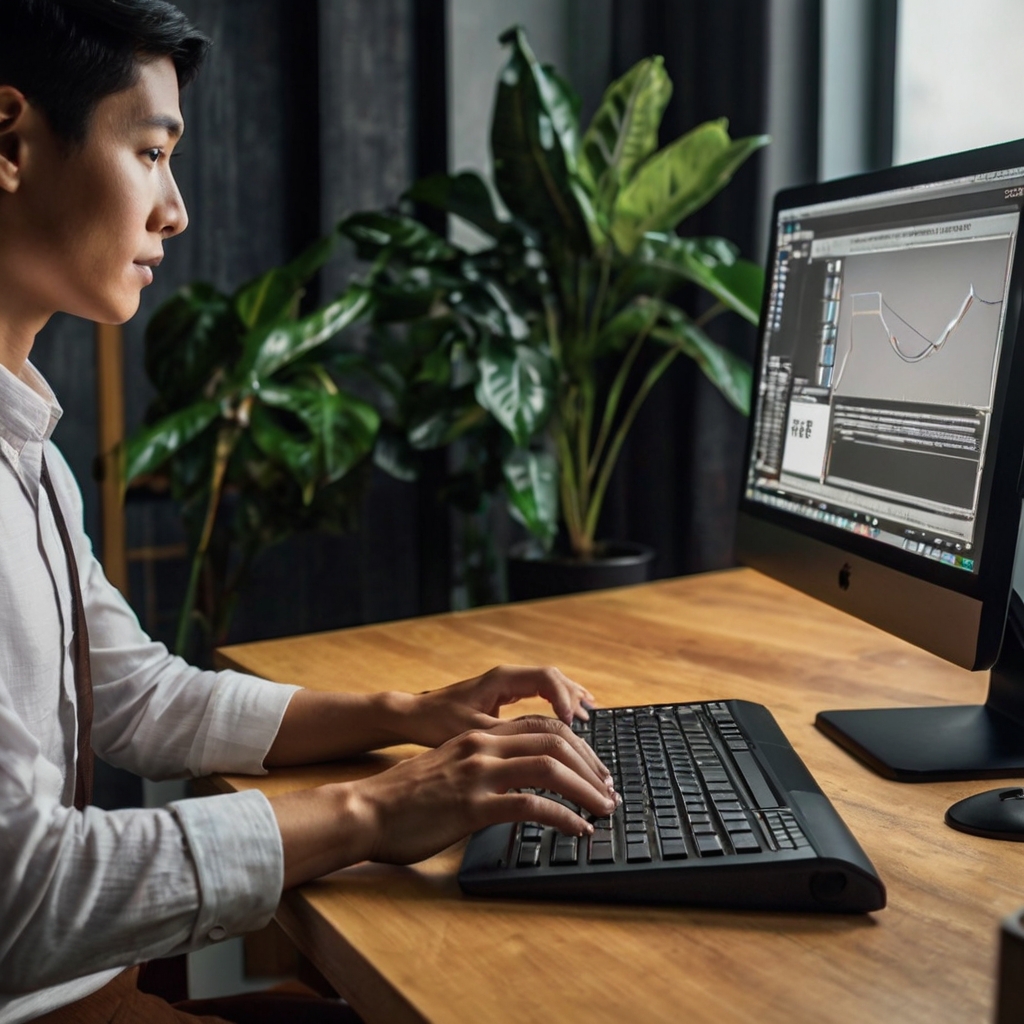
Before I leaned on GPT, writing was a slow but immersive process. I would sit down, gather my thoughts, and carefully shape them into words. That process demanded focus, and even though it took longer, it made me feel more connected to my ideas.
Now, I can simply type “Can you draft this?” and within moments I have a polished paragraph. It’s efficient, but it also feels a little empty. Because the words didn’t pass through my own mental filters, I sometimes forget what I’ve already written. I’ve even caught myself publishing articles with almost identical arguments—something that rarely happened when I was more involved in the process.
The Hidden Cost of Passive Creation
One unexpected side effect is that when I let AI take over too much of the process, I actually feel sleepier and lose focus more quickly. It’s almost as if my brain disengages because I am not actively involved. Sometimes I catch myself dozing off or getting drowsy much sooner than when I was fully immersed in writing or problem-solving on my own.
This aligns with research showing that passive screen time often increases fatigue because our brains crave active engagement. When AI reduces our role to a few quick prompts, the creative “muscles” we once used start to weaken. Frontiers in Psychology highlights that passive digital activities can make us feel more drained, not less.
The Distraction Trap
AI also creates a strange time paradox. While waiting for a long piece of text or code to generate, I often have a few minutes of downtime. Instead of just pausing, I end up reaching for my phone. A quick scroll on social media, a glance at the news, or a short video—and suddenly, I’ve lost my focus entirely. What should have been a three-minute wait often turns into a twenty-minute distraction cycle.
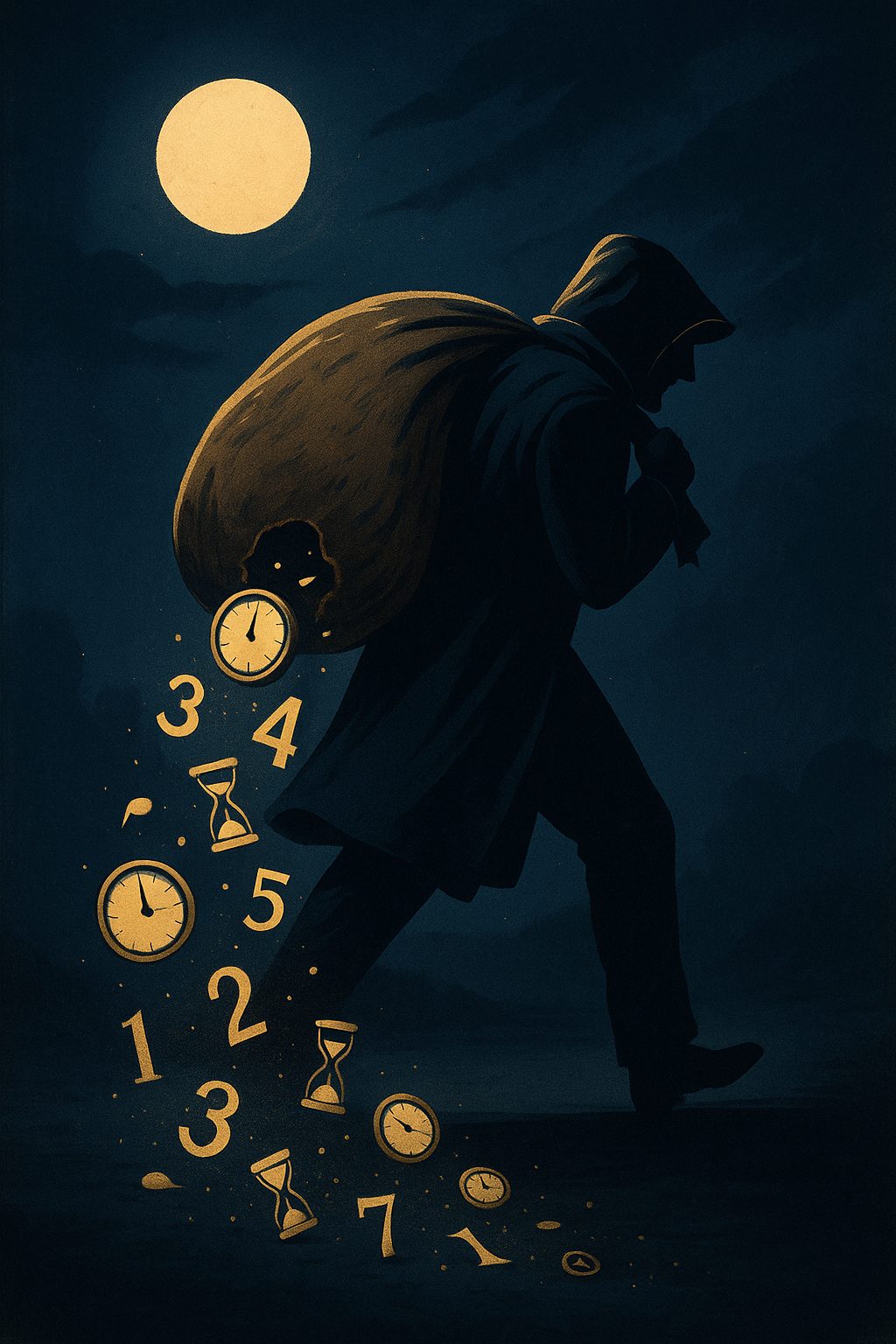
It’s ironic: AI is supposed to save time, but without discipline, it can actually steal it.
The Bakery Analogy
I like to think of it this way: AI-generated work can feel like buying bread from a factory. It’s fast, consistent, and efficient. But when you bake bread yourself—choosing ingredients, kneading the dough, and even failing a few times—the result carries more meaning. The product might look similar, but the process gives it soul.
Similarly, when we rely too heavily on GPT, the personal investment in our work decreases. That lack of ownership not only reduces satisfaction but can also erode creativity and long-term skill growth.
Balancing AI and Mindfulness
So, how can we make AI a helpful tool rather than a silent thief of our focus?
- Stay in control of the creative process. Draft your main ideas first before handing them to AI for polishing.
- Limit passive waiting. If a task takes time to generate, step away from the screen instead of reaching for your phone.
- Use AI as a sparring partner, not a ghostwriter. Let it challenge your thinking, not replace it.
- Practice mindful work. As Greater Good Science Center points out, mindful engagement keeps us energized and reduces burnout.
The Bigger Question
As Harvard Business Review notes, AI creates a productivity paradox: it makes us faster, but not necessarily more effective. Real productivity isn’t just about speed—it’s about attention, depth, and meaning.
So, ask yourself: is GPT helping you reclaim time for what matters, or is it quietly stealing your focus?
For me, the answer depends on how I use it. When I set clear boundaries, AI becomes a valuable ally. But when I let it take over entirely, I end up not just less creative—but sometimes even more tired.