
Last time I mentioned about ‘We Don’t Really Know What We’re Eating‘. Today Let’s talk about low satiety food that fail to truly satisfy the body. More often, the problem is food that is high in calories but low in satiety — low satiety foods that fail to truly satisfy the body.
People often say that what we eat matters, and magazines frequently warn us to avoid processed foods. But when you look more closely, the real issue isn’t always processed food itself. More often, the problem is food that is high in calories but low in satiety.
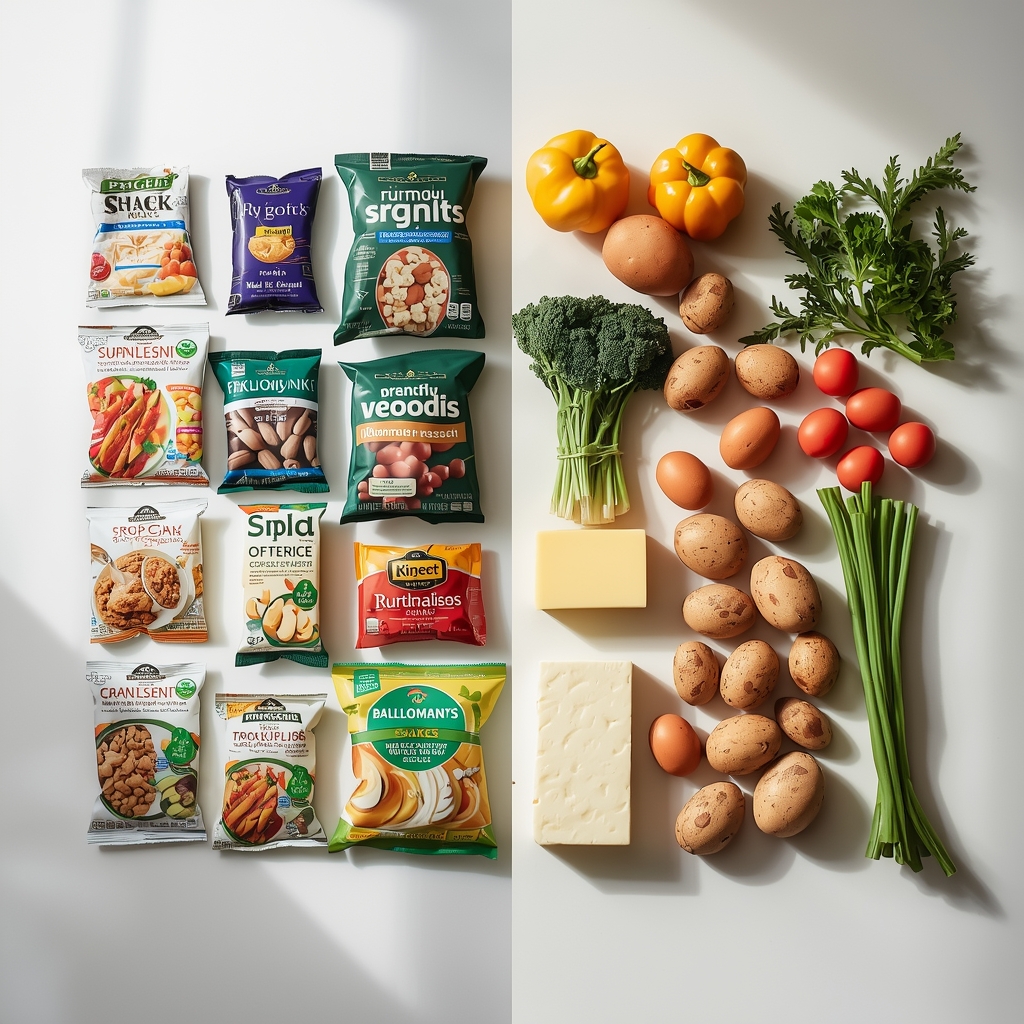
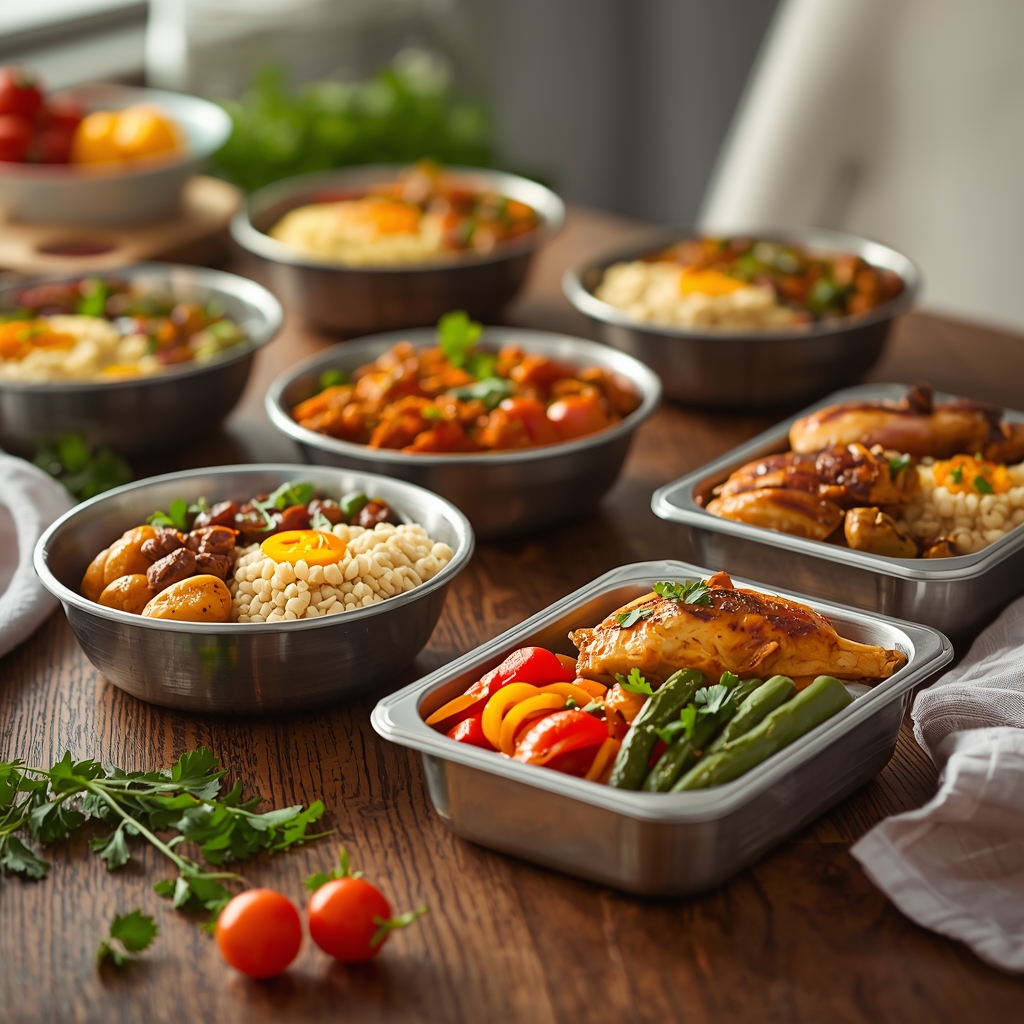
Many processed foods are fried or pre-cooked meals that only need to be reheated. When you examine their composition, they tend to be high in fats and refined carbohydrates, yet surprisingly low in nutrients that actually nourish the body. Instead of providing balanced nutrition, they often leave the body feeling slightly off or unbalanced.
Of course, there are other concerns with processed foods as well—long shelf life usually means reduced freshness, and preservatives or additives can also be problematic. But what I want to focus on here is something slightly different: high-calorie foods that fail to keep us full.
These foods can make you feel full while you’re eating them, but that fullness disappears quickly. Because they’re mostly made up of fats and refined flour, they often leave you feeling greasy or heavy afterward. To make matters worse, processed foods are usually salty or strongly seasoned, which makes us crave sweet drinks or sodas to “balance” the taste. In the moment, this feels satisfying—but later, it becomes clear how unhealthy this pattern really is.
Another issue is how quickly and mindlessly these foods are consumed. Because they don’t keep us full for long, we start thinking, “Maybe I should eat a bit more. I don’t feel quite satisfied yet.” That’s when we reach for whatever is nearby—cookies on the desk, chocolate, ice cream, or other sweet snacks. Even if we’re technically full, these foods are easy to keep eating because they don’t create a strong sense of fullness. Over time, the stomach adapts, portions naturally increase, and daily calorie intake rises—especially since these foods are already calorie-dense.
People often say, “It’s fine as long as you exercise.” But realistically, most of us live very sedentary lives now. We walk less, move less, and rely on convenience more than ever. Burning off food through exercise isn’t as easy as it sounds. For example, a 500-calorie meal might take an hour or more on a treadmill to burn off—something we tend to forget when we’re eating.
Because these foods provide quick energy but little satiety, they can also cause rapid blood sugar spikes followed by crashes. That can lead to poor concentration, drowsiness, or even sudden mood drops. At that point, it starts to feel less like we are controlling what we eat, and more like food is controlling us.
Processed foods are everywhere, so it’s unrealistic to say we should never eat them. But simply becoming aware of how much we rely on them, and gradually reducing the amount we consume, can already make a big difference. Once that awareness is there, the quantity often decreases naturally—without extreme rules or restriction.
Becoming aware of how often we rely on low satiety foods can naturally lead to healthier eating habits—without extreme rules or restriction.