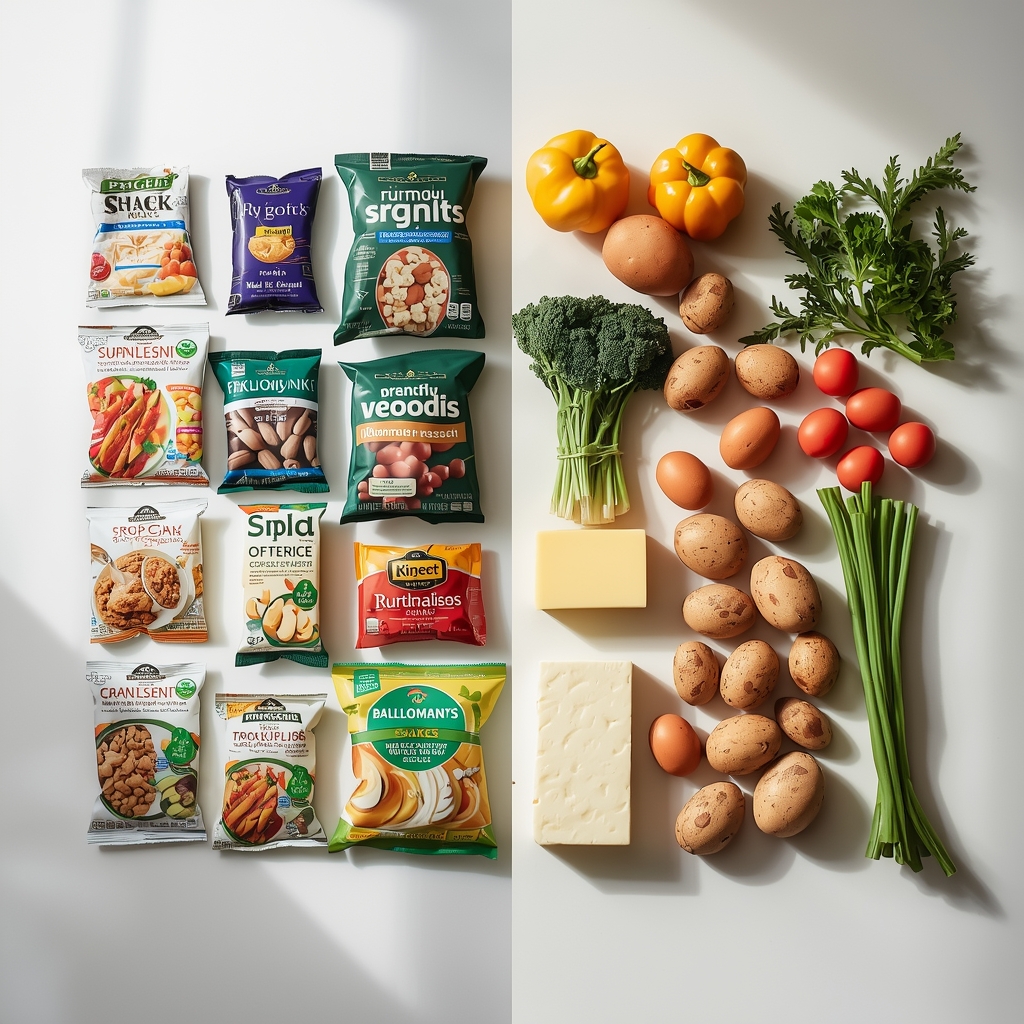
Why Processed Foods Aren’t the Real Problem — Low Satiety Is

low satiety foods

Last time I mentioned about We Don’t Really Know What We’re Eating. Today Let’s talk about low satiety food that fail to truly satisfy the body. More often, the problem is food that is high in calories but low in satiety — low satiety foods that fail to truly satisfy the body.

People often say that what we eat matters, and magazines frequently warn us to avoid processed foods. But when you look more closely, the real issue isn’t always processed food itself. More often, the problem is food that is high in calories but low in satiety.

Many processed foods are fried or pre-cooked meals that only need to be reheated. When you examine their composition, they tend to be high in fats and refined carbohydrates, yet surprisingly low in nutrients that actually nourish the body. Instead of providing balanced nutrition, they often leave the body feeling slightly off or unbalanced.
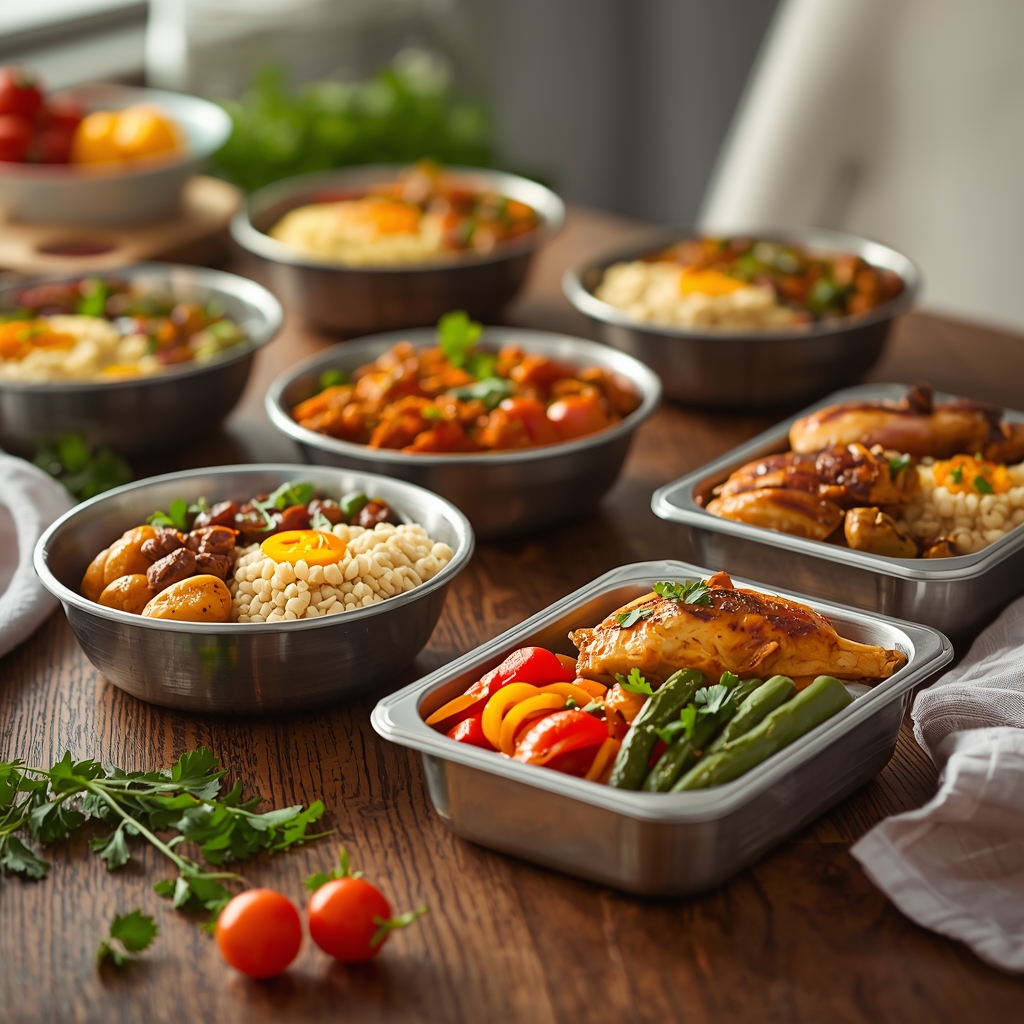
low satiety foods

Of course, there are other concerns with processed foods as well—long shelf life usually means reduced freshness, and preservatives or additives can also be problematic. But what I want to focus on here is something slightly different: high-calorie foods that fail to keep us full.

These foods can make you feel full while you’re eating them, but that fullness disappears quickly. Because they’re mostly made up of fats and refined flour, they often leave you feeling greasy or heavy afterward. To make matters worse, processed foods are usually salty or strongly seasoned, which makes us crave sweet drinks or sodas to “balance” the taste. In the moment, this feels satisfying—but later, it becomes clear how unhealthy this pattern really is.

Another issue is how quickly and mindlessly these foods are consumed. Because they don’t keep us full for long, we start thinking, “Maybe I should eat a bit more. I don’t feel quite satisfied yet.” That’s when we reach for whatever is nearby—cookies on the desk, chocolate, ice cream, or other sweet snacks. Even if we’re technically full, these foods are easy to keep eating because they don’t create a strong sense of fullness. Over time, the stomach adapts, portions naturally increase, and daily calorie intake rises—especially since these foods are already calorie-dense.

People often say, “It’s fine as long as you exercise.” But realistically, most of us live very sedentary lives now. We walk less, move less, and rely on convenience more than ever. Burning off food through exercise isn’t as easy as it sounds. For example, a 500-calorie meal might take an hour or more on a treadmill to burn off—something we tend to forget when we’re eating.

Because these foods provide quick energy but little satiety, they can also cause rapid blood sugar spikes followed by crashes. That can lead to poor concentration, drowsiness, or even sudden mood drops. At that point, it starts to feel less like we are controlling what we eat, and more like food is controlling us.

Processed foods are everywhere, so it’s unrealistic to say we should never eat them. But simply becoming aware of how much we rely on them, and gradually reducing the amount we consume, can already make a big difference. Once that awareness is there, the quantity often decreases naturally—without extreme rules or restriction.

Becoming aware of how often we rely on low satiety foods can naturally lead to healthier eating habits—without extreme rules or restriction.
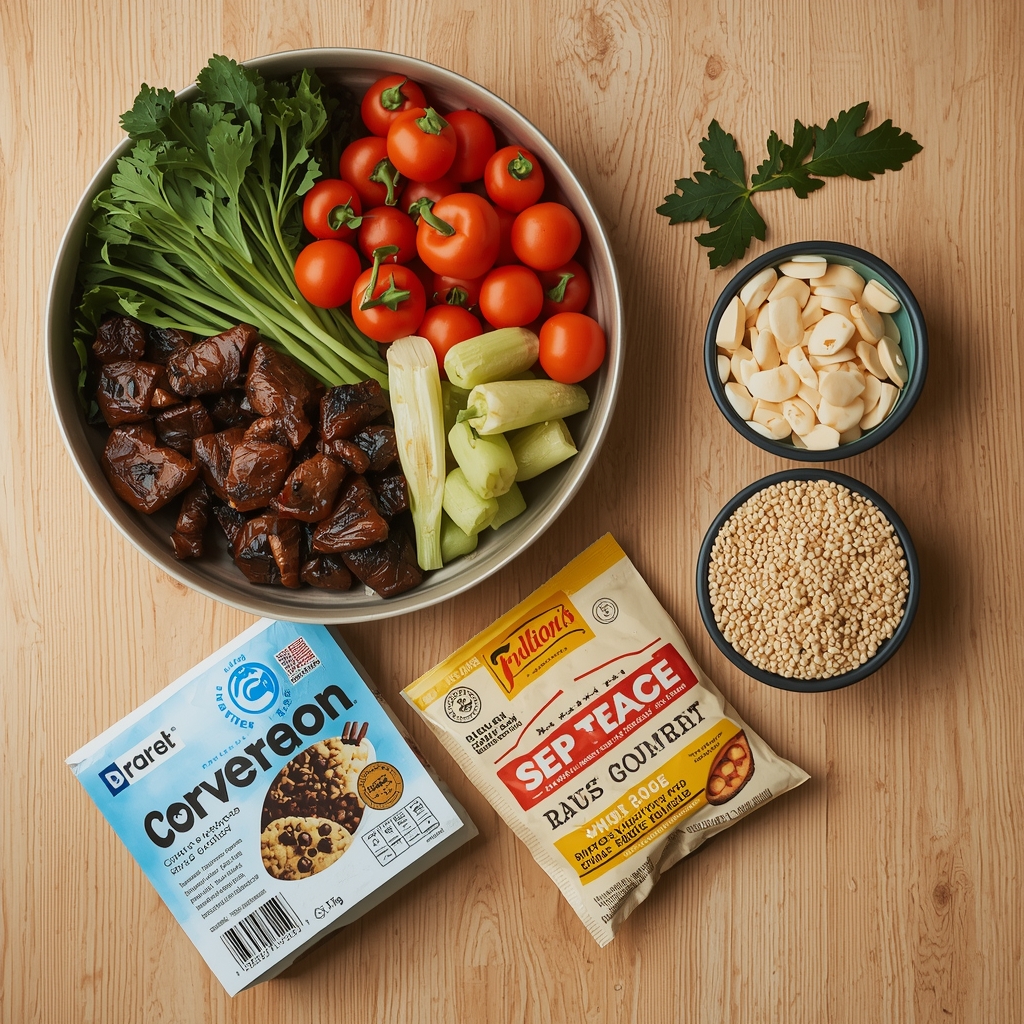

Processed Foods: 3 Surprising Reasons We Understand Our Food Less Than We Think

Processed Food

How Much Processed Food Do You Actually Eat?

One thing I learned from the book ‘The Habit of Discomfort‘ is this: most people have no idea what they’re actually eating. We take supplements without understanding the ingredients, buy “healthy snacks” without reading food labels carefully, and grab frozen meals thinking they’re harmless shortcuts. But when you look closely, many processed foods are loaded with sodium, sugar, preservatives, and ultra-processed ingredients that offer far less nutrition than we assume. They fill your stomach, but they don’t truly nourish you — a reminder of how low our general nutrition awareness really is.

Why We Don’t Really Know What We’re Eating

I’ve seen this happen even with friends who eat “light” or “low-calorie” meals. One friend relied on frozen dumplings during busy weeks, assuming they were a quick, balanced option. But when we finally checked the label, a single serving contained nearly an entire day’s sodium intake and barely any protein. She couldn’t understand why she felt bloated, thirsty, and still hungry — and she’s not alone. According to recent U.S. data, ultra-processed foods now make up more than half of Americans’ daily calories.

Real-Life Examples of Hidden Ultra-Processed Ingredients

There is data supporting this pattern. A 2021 study published in Nutrients found that people underestimate the nutritional impact of ultra-processed foods and overestimate the health benefits of items marketed as “natural” or “low-fat.” Another study from the Journal of the Academy of Nutrition and Dietetics reported that fewer than 30% of adults regularly read ingredient lists, even though these lists have the most accurate information about what goes into our bodies. In other words, most of us eat based on assumptions, marketing claims, or convenience — not on real knowledge.

The same confusion appears in dieting. Many people fail not because they lack discipline, but because they don’t actually understand how much protein, fat, or carbohydrates they’re consuming. Our bodies don’t instantly reflect what we eat, so it becomes easy to forget that everything accumulates over time. Taste gives us quick pleasure, but the long-term impact is what shapes our energy, mood, and health.

Processed Food

Food marketing makes this even more complicated. Packages highlight “vitamins,” “natural ingredients,” or “real fruit,” but the ingredient list often tells a different story — minimal natural content and a long list of synthetic additives. Even cheese can be misleading; some popular versions aren’t cheese at all but oil-based substitutes designed to mimic the texture of cheese. Without reading ingredients carefully, it’s impossible to know what we are putting into our bodies.

Another modern issue is that we’ve become so busy that we try to replace real meals with supplements. Multivitamins, protein shakes, fiber powders, probiotics — we take them hoping they can fill the gap left by processed meals. But research consistently shows that supplements cannot compensate for a poor diet. A Harvard Health review emphasizes that whole foods contain complex nutrient interactions that pills can’t replicate. Supplements may help in specific deficiencies, but they cannot replace actual nourishment. In other words: you can’t out-supplement a bad diet.

Processed Food

That’s why mindful eating habits matter more than we think. Choosing foods with fewer steps between nature and your plate can make a real difference: buying real meat and cooking it yourself, eating simple staples like potatoes or sweet potatoes, picking up fresh bread from a bakery instead of relying on packaged versions, or checking whether your butter is actually 100% butter. Life gets busy, of course, but even replacing one or two meals a week with less processed options can make your body feel noticeably lighter and clearer.

And in the next post, I want to talk about something closely related — why foods that don’t bring real satiety can quietly disrupt our entire life rhythm. From unstable blood sugar to constant snacking and emotional eating, the lack of true fullness affects far more than hunger.