Gentle Winter Movement for Mind and Body

Gentle Winter Movement

When the air turns cold, everything seems to slow down — the streets quiet, the sunlight softens, and even our bodies crave stillness. But movement doesn’t always have to mean intensity or sweat. Gentle winter movement is a quiet reminder that wellness isn’t about speed or power — it’s about presence. It’s an invitation to listen to your body and move in ways that honor how you truly feel.

In the colder months, our bodies naturally seek warmth and protection. Muscles tighten, energy dips, and motivation can fade with the sunlight. That’s when mindful exercise becomes more meaningful. Instead of chasing performance, we can choose movement that nurtures — slow stretching near a window where the morning light spills in, a few moments of breathing before the day begins, or a calm walk wrapped in layers, feeling the air brush against your face. These small actions aren’t workouts; they’re daily acts of awareness — ways to whisper to your body, “I’m still here with you.”

As you move, notice how your body responds. The gentle awakening of muscles, the rhythm of your breath, the sound of leaves crunching beneath your shoes — these sensations remind you that motion can be meditative. This is slow living in motion: savoring the pause between breaths, feeling warmth bloom from the inside out, and understanding that balance matters more than endurance. Even a five-minute mindful stretch can shift your energy from sluggish to alive.

When I walk in winter, I let go of goals. I don’t count steps or measure progress. I walk to feel life moving through me — to watch my breath in the frosty air, to listen to the subtle symphony of winter: the wind brushing branches, the steady rhythm of my footsteps, the faint hum of distant life. Some days I listen to soft music that flows like snow; other days I walk in silence, letting my thoughts drift and settle. Both are part of my winter wellness — ways of grounding myself in the moment.

Gentle movement doesn’t sculpt your body overnight, but it reshapes the way you relate to it. You begin to respect your own rhythm — the rise and fall of your energy, the quiet need for rest, the way your body asks for care rather than control. This kind of awareness is its own strength. It teaches you that recovery isn’t the absence of progress — it’s the foundation of it.

So when you feel unmotivated or heavy in winter’s quiet rhythm, don’t wait for energy to appear — create it through small, intentional motion. Wrap yourself in warmth, sip something soothing, and let your body guide you. Step outside for a few slow breaths, or stretch by the heater and feel your muscles lengthen. These are the gentle rituals that build resilience — the essence of winter wellness and slow living.

Remember: wellness isn’t about how much you move, but how fully you inhabit each moment of movement.
Even in the coldest season, there’s life in every breath, warmth in every stretch, and peace in every step.
When you move gently, you remind yourself that you are not stuck — you’re simply flowing with winter’s slower, softer rhythm.

If you are low energy or want to be energetic in winter time, here is the posting that you can read more ” 5 Mindful winter habits to lift your energy” or “Warm drink for winter”
Mindful Knitting Meditation: Finding Balance Through Each Stitch

balance with knitting

Recently, I mentioned that knitting is a good method for meditationhow to start knitting and the benefits it brings. Today, I want to focus more on my personal impression of knitting, and how this simple act has become a quiet form of mindfulness in my daily life.

Finding Balance with knitting.

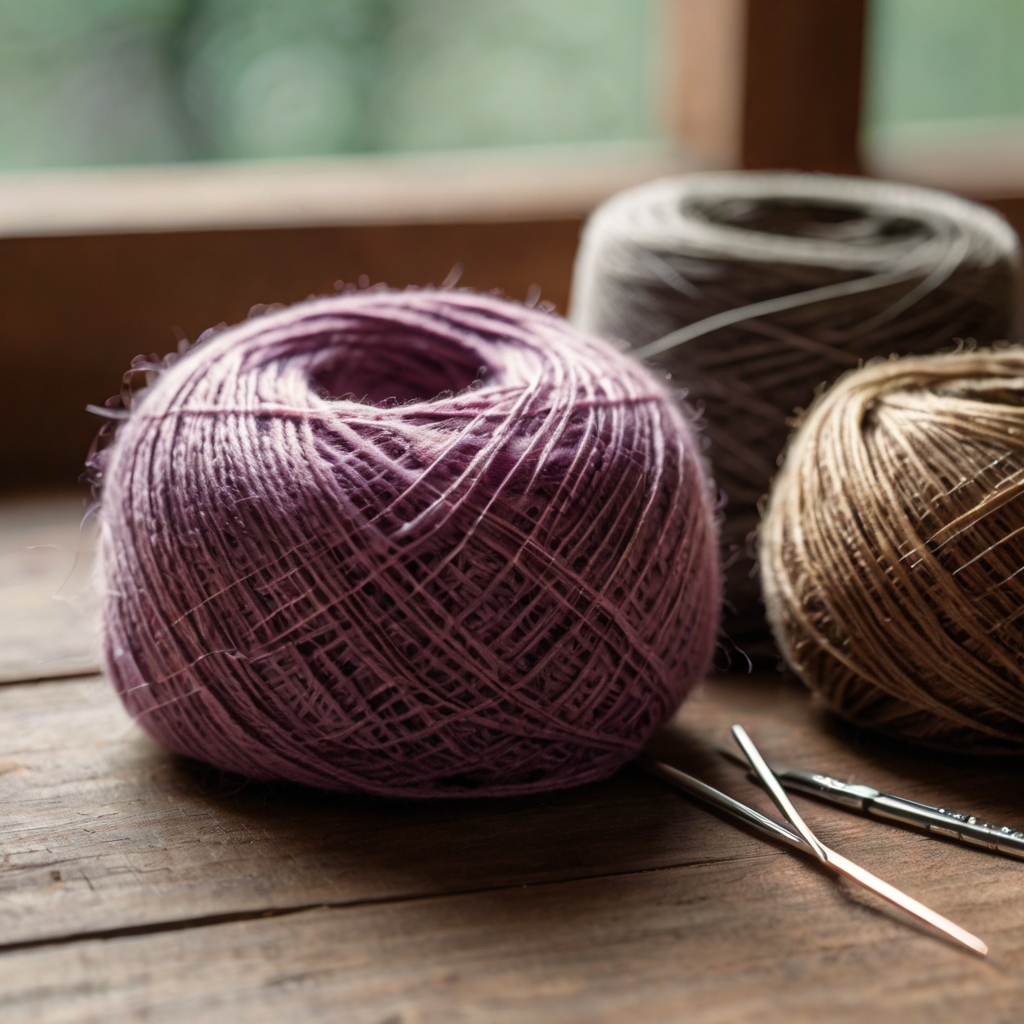
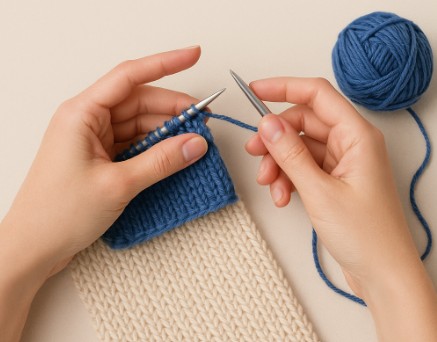
Knitting has always been more than a craft for me—it’s a quiet form of mindful knitting meditation, a way to reconnect with myself through rhythm and touch. Each stitch feels like a small breath, a reminder to slow down and stay present. As the yarn loops through my fingers, I’m reminded that mindfulness doesn’t just happen in stillness; it can live in the gentle repetition of something creative. In many ways, this is my favorite form of self care through knitting.

Over time, I’ve realized that knitting carries its own lessons about balance. It’s not only about making beautiful patterns or finishing a project—it’s about how we approach the process itself. Sometimes, when the previous row is a little too tight or my mind feels cluttered, I start pulling the yarn with unnecessary tension. My stitches get smaller, my shoulders rise, and suddenly I’m no longer relaxed. Other times, when I’m too loose or distracted, the stitches become uneven, and the fabric loses its shape. It’s a simple yet profound reflection of life: when we push too hard, things become strained; when we let go too much, structure disappears. The balance lies somewhere in between—true knitting for mindfulness and balance.

In knitting, every movement tells a story of your state of mind. A row of even stitches reveals calm focus, while a section that’s a little irregular might hint at moments of impatience or worry. Yet that’s the beauty of it—each imperfection becomes part of the whole piece, a quiet record of your mood and presence. Just like life, knitting doesn’t have to be flawless to be meaningful. This practice feels deeply aligned with the philosophy of a slow living craft, where every motion is deliberate and filled with awareness.

When I notice myself rushing through a row, I take a breath, loosen my hands, and remind myself that this isn’t a race. If I tug too tightly, I’ll have to fix it later; if I’m too careless, I’ll have to unravel and start again. It’s humbling but also grounding. Each stitch holds a choice—to proceed with awareness or slip back into distraction. In that way, knitting mindfulness practice becomes a quiet teacher of patience, rhythm, and acceptance.

Sometimes, when I finish a piece and look back, I can trace the emotional map of those days in its texture—the rows I made while feeling peaceful, and the ones born out of stress or fatigue. It reminds me that growth doesn’t happen in perfection but in persistence. Each uneven line is proof that I kept going, that I showed up for myself even when my mind wandered. And in that way, knitting becomes not just a craft, but a gentle record of living with mindfulness and balance—one thoughtful loop at a time.

Tips for knitting posture on the Go Without the Aches

knitting

But here’s the catch: knitting, especially in tight or awkward spaces, can sneakily turn into a source of tension. I started noticing that after a few rides, my shoulders felt tight, my wrists ached slightly, and my fingers were stiffer than usual. It’s ironic, isn’t it? You pick up knitting to relax, yet you end up feeling sore if you’re not paying attention to your body.

Knitting on the subway has become one of my favorite small rituals lately. It turns otherwise wasted commuting time into something calming, creative, and mindful. Instead of scrolling endlessly on my phone, I find myself counting stitches, watching the yarn flow between my fingers, and letting my mind settle into a quiet rhythm. In those moments, even the rumble of the train feels like background music to a meditative practice.

That’s when I realized mindfulness in knitting isn’t only about the flow of yarn—it’s also about body awareness. The way we sit, breathe, and hold our tools matters just as much as the pattern we’re following.

If you enjoy knitting on the go, here are a few gentle reminders to make your experience both creative and comfortable:

1. Relax your shoulders.
While seated, try leaning back against the chair or subway seat and consciously let your shoulders drop away from your ears. Most of us unconsciously hunch forward, especially when focused on small tasks. By letting your shoulders fall naturally, you prevent upper-body tension before it builds up.

2. Keep your elbows close to your body.
Holding your arms up for long periods can strain your shoulders and neck. Instead, let your elbows rest lightly near your sides. You’ll notice that your movements become smaller, smoother, and less tiring over time.

3. Loosen your grip.
It’s easy to clutch your needles or yarn too tightly when you’re concentrating or working on a tricky row. If you feel your fingers tightening, take a slow breath, pause, and consciously loosen your hold. A relaxed grip not only helps prevent stiffness but also gives your stitches a softer, more even texture.

4. Take micro-breaks.
Every few stops or rows, set your needles down, roll your wrists, and gently stretch your fingers. These small pauses help release tension and bring your focus back to the present moment—exactly what mindfulness is about.

knitting

5. Choose lighter tools.
If you’re knitting on the move, consider shorter circular needles or lightweight yarns. They’re easier to manage in tight spaces and reduce strain on your hands.

Knitting is more than a hobby—it’s a moving meditation, a conversation between your hands and your mind. When you practice awareness through posture and breath, you transform a daily commute into an act of gentle self-care. After all, mindfulness isn’t about adding another task to your day; it’s about bringing calm intention to the ones you already have.

So next time you pull out your knitting needles on the train, remember: relax, breathe, and let the rhythm of your stitches match the heartbeat of the city around you.

Warm Drinks, Slow morning routine: Finding Stillness in a Cup

warmdrink

Slow morning routine by starting your day with Warm drinks.

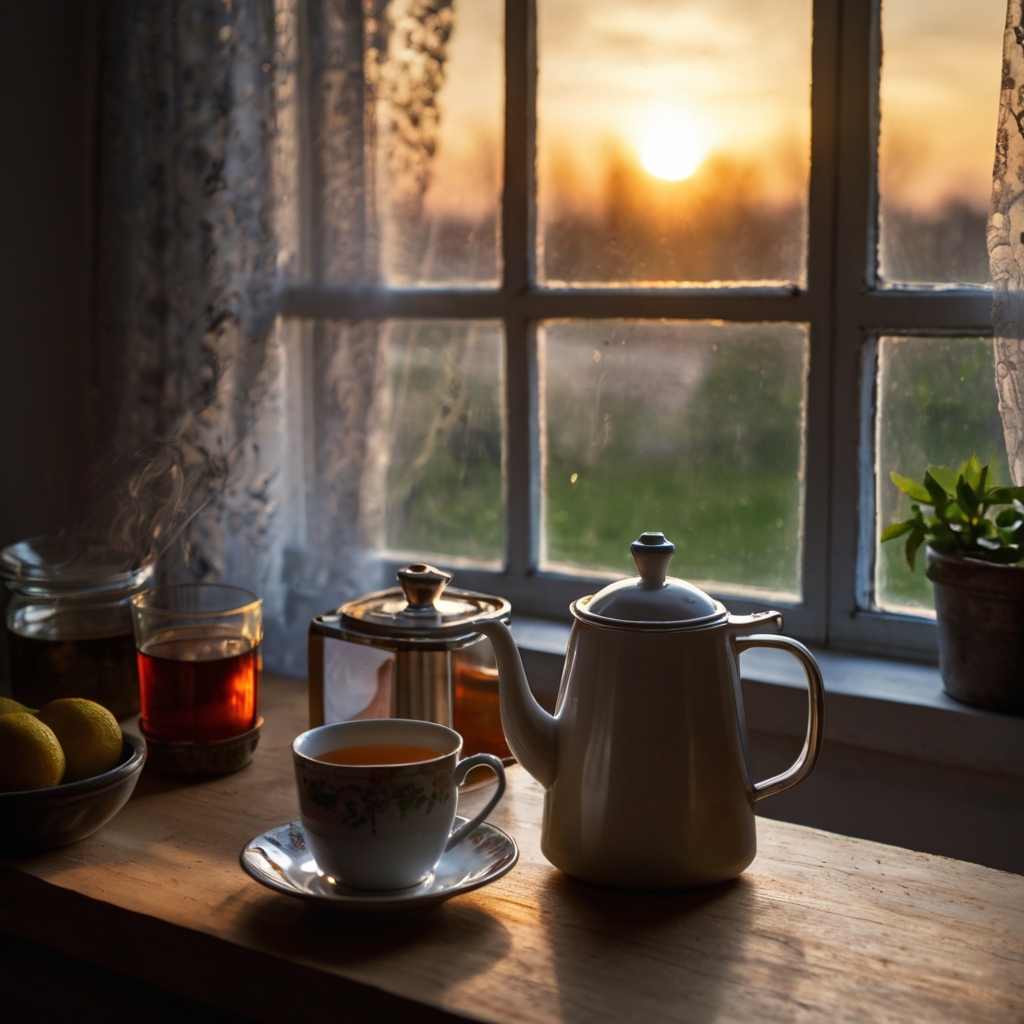
There’s something comforting about holding a warm cup on a cold morning — the soft steam rising, the faint scent of tea or coffee, the quiet pause before the world starts moving. In winter, when light is low and energy drops, a simple warm drink ritual can anchor you back to calm presence.

Start by choosing your drink intentionally. Herbal tea for clarity, cacao for comfort, lemon water for lightness. Even the act of choosing tells your nervous system, “I am taking care of myself.”

As the water boils, don’t rush. Listen to the bubbling sound. Feel the heat build. Let the waiting itself become part of your ritual. There is a kind of honesty in moments when nothing is happening — when life is paused on purpose. When you pour, do it slowly. Before the first sip, close your eyes. Feel the warmth resting in your palms. Inhale deeply. You’re not just drinking — you’re returning to yourself.

This small moment teaches something profound: warmth doesn’t only come from the cup; it comes from attention. When you sip slowly, you give your body permission to rest and your thoughts permission to quiet.

Scientists have noted something interesting — boiling water doesn’t just warm the drink. It gently raises humidity in the room. When indoor air has more moisture, the same temperature feels significantly warmer to the body. In other words, the ritual warms not just your hands but your home and your nervous system. Warmth becomes environmental, not just internal.

warmdrink

Try keeping your phone away. Maybe light a candle. Maybe open the window just a crack — the cool outside air clashing with the warm aroma inside reminds you that you are here, awake to the present. In Japan, there’s a saying: “Tea time is a moment between moments.” You don’t need a full hour — just five mindful minutes.

And those five minutes can change your day more than you think. While you drink, you can simply close your eyes and feel the air, or you can open a diary and write what you plan to do today — not as pressure, but as intention-setting. Even writing one line like “Today I choose to live gently” shifts how the day unfolds.Or you can play a soft piece of music, something calm that meets the warmth in your hands. If you feel sleepy from the heat, pair it with a small action — toast a piece of bread, spread jam, or warm a simple breakfast. A tiny act of preparation often softens the day ahead. If you live with family, making a quick fried egg or slicing fruit for someone else can quietly build connection before words are even spoken.

warm drink

You don’t need a dramatic resolution or a productivity system. What you need is one door that leads you into your day more kindly. A warm cup can be that door. Because when you drink slowly, you realize that peace was never far away — it was waiting at the bottom of your cup. And the more often you repeat this quiet ritual, the easier it becomes to return to yourself in other moments — before a meeting, after a conflict, or when your mood slips without warning.

A warm drink is not just a habit. It is rehearsal for gentleness — training your body and mind to soften before the day hardens you. And that rehearsal, repeated daily, changes who you become.

If you feel depressed in winter time you can also read “How to handle Seasonal Affective Disorder for mindful living” or “Gentle Winter Movement for Mind and Body”

5 Mindful Winter Habits to Lift Your Energy

Maybe it feels a little early to talk about winter now, but once the weather cools and the sunlight grows shorter, it becomes the right time to think about how to protect our energy for the season ahead. Some animals hibernate for survival — they slow down on purpose. Humans don’t hibernate, but we do insulate ourselves with heaters and extra layers, appearing as if we are doing fine in harsh weather. In reality, not everyone manages winter well — including me.

As I mentioned in my last post, I experience a kind of winter depression. On the outside I look fine, but internally I feel tired, empty, and withdrawn. The worst part is that I tend to give up on my plans and goals. So I’ve been learning how to take care of myself and how not to let the weather dictate my state of mind.

Winter often slows everything down — sunlight fades early, mornings feel heavier, and even simple tasks start to feel like effort. Instead of fighting this rhythm, what if we learned to flow with it? Here are five mindful winter habits that can gently lift your energy and restore your calm.

  1. Morning Light Rituals
    Open your curtains as soon as you wake up. Even ten minutes of sunlight signals your body to wake fully and boosts serotonin. If natural light is scarce, try a small light therapy lamp — it genuinely helps your mood and gives your body a sense of positive alertness.
  2. Warm Drinks, Slow Moments
    Start your day with tea or warm lemon water. Feel the warmth in your hands and notice how your body responds. This small ritual grounds you before you touch your phone or read the news. Yes — making tea can feel like extra work, especially walking into a cold kitchen and turning on the gas, but once the water boils and warm steam fills the air, it already changes the atmosphere. I used to use the stove, but now I use an electric kettle — it’s more convenient in cold weather. This simple act helps your day begin warm and calm. Plus, warm water is known to support circulation.
  3. Gentle Movement
    You don’t need an intense workout — even a ten-minute stretch or a slow mindful walk is enough. Gentle movement helps you shake off stagnant winter energy and clear your thoughts. When you move your body, your blood circulates more efficiently, which naturally raises your body temperature and helps you feel more awake.
  4. Cozy Corners
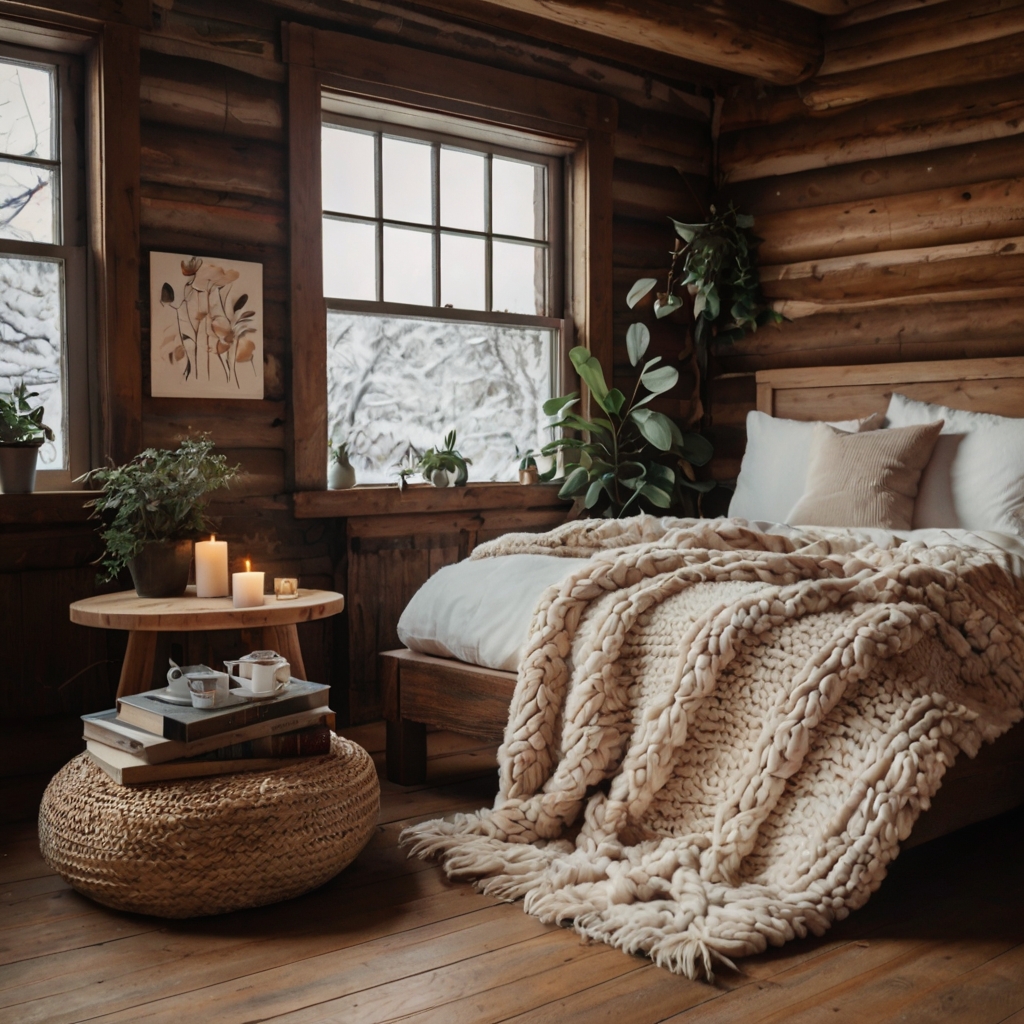
    Create a small warm space just for yourself — add a blanket, soft lighting, and maybe your favorite book or knitting project. Let it be your tiny sanctuary from the cold world outside. Personally, I made one on my bed with an electric blanket. The only downside is that it gets too cozy and makes me lazy.

    So I made another “cozy spot” at my desk. I wear warm slippers so the cold floor doesn’t drain my heat, keep a soft blanket on my chair, and place a teapot and a thermos within reach. When I feel really cold, I also use a hot-water bottle. Even though it’s just warm water inside a rubber pouch, it holds heat for a long time and keeps me warm enough to stay focused on what I need to do.
  5. Reflect, Don’t Rush
    Winter invites stillness. Instead of filling every hour with tasks, allow quiet moments to sit with your thoughts. Write down just one thing you’re grateful for each day. You don’t need a special notebook — a simple memo app or regular notepad is enough. (Though I later discovered there are dedicated gratitude journals, if you prefer something structured.) This small act can gently shift your focus from pressure to presence.

These mindful winter habits aren’t about productivity — they’re about staying connected to yourself when the world feels dim. Even in the darkest months, peace grows in the smallest rituals.

How to handle Seasonal Affective Disorder for mindful living

Seasonal affective disorder

Have you ever heard about Seasonal Affective Disorder, also known as S.A.D? I recently I found that I have such symptoms. As the air turns cooler and the days grow shorter, I can feel my energy slowly changing.
There’s a quiet heaviness that comes with autumn — not sadness exactly, but a soft fading of light inside me. It’s strange how sunlight affects the rhythm of our moods. When the skies stay gray for days, I find myself wanting to sleep more, move less, and retreat into my own thoughts.

For a while, I thought this was laziness. But I’ve learned that it’s something much more natural — a kind of seasonal rhythm that even our bodies remember. Like animals preparing for hibernation, we too slow down when the world around us cools. The problem is, our modern lives don’t allow that. We keep pushing, keep performing, and when our energy dips, we call it failure.

Yet what if it’s not failure, but nature asking us to rest?

🌦️ When Light Fades, So Does Energy

I’ve noticed that when the weather shifts suddenly — when a bright week turns cloudy — my motivation disappears. Even if I’m excited about a project, that spark dulls.
Sometimes I tell myself, “Everyone feels this,” but it’s easy to feel like I’m falling behind.

Still, I’ve learned a few ways to gently return to balance. When daylight shortens, I try to start my mornings earlier — to catch the few hours of sun that still linger. When it’s cold, my body resists movement, but stepping outside helps more than I expect.
The air against my face, the sound of footsteps on pavement — these simple sensations remind me that I’m still here, still alive.

And even when I’d rather stay home, I reach out to a friend or two.
Not for big gatherings or long conversations — just quiet company, something to keep me connected to the world beyond my thoughts.

🕯️ Mindful Ways to Reconnect

Small rituals help me find warmth again. I light a candle in the morning and open the curtains wide. I make warm tea instead of cold drinks. On weekends, I knit, cook, or write — anything that lets my hands move and my mind settle.
These little acts of mindfulness keep me from being swept away by the heaviness that winter sometimes brings.

Last year, I spent the colder months in New York. Even though it was freezing, I still went out and walked every day. The people, the movement, the energy of the city — all of it made me feel more alive. Watching people who start their day regardless of the weather, who refuse to be swayed by it and choose to fill their day with life — that motivated me. It made me realize how much our environment can reset our mindset, not by comforting us but by pulling us forward. Just being surrounded by people who are already in motion makes you want to move too.

It reminded me that light isn’t only something the sun gives us. It’s something we can create through action, curiosity, and presence. And sometimes, the light we need comes from watching others choose to live fully, even in the cold.

🌙 Conclusion — Light Within Change

Seasons remind us that nothing stays constant — not light, not energy, not even emotion.
We expand and contract, bloom and rest, just like nature does.
Instead of fighting the slower seasons, maybe the kindest thing we can do is listen to what they ask of us: to pause, to soften, to recharge.

Because the light doesn’t disappear — it simply moves, waiting for us to notice it again.

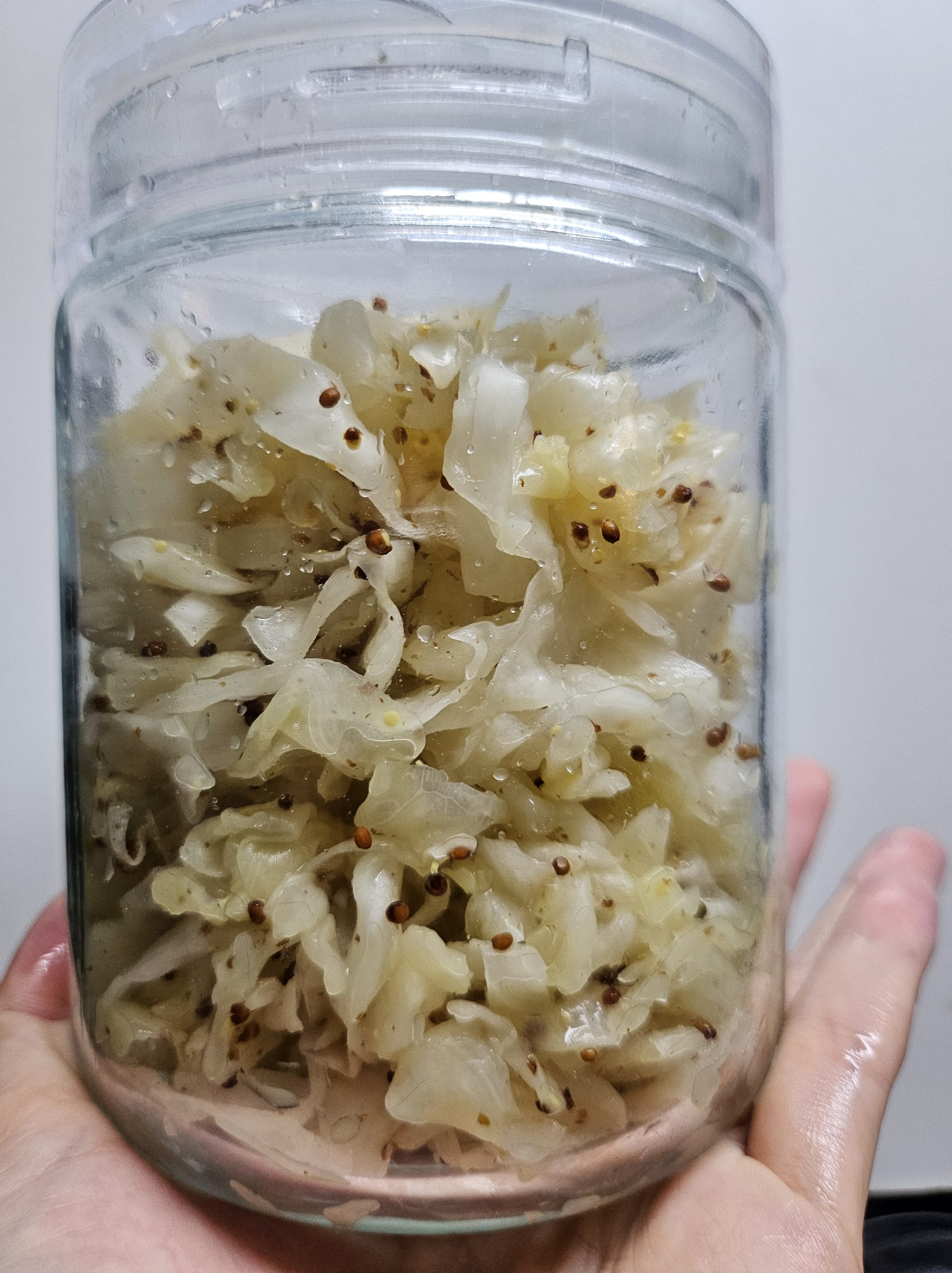
Easy Homemade Sauerkraut Recipe: A Simple, Mindful Way to Boost Gut Health

homemade sauerkraut

Let’s make Homemade Sauerkraut


These days, it’s easy to grab pre-made or frozen meals — heat them up, eat, and move on. Such as Frozen dumpling, pizza, burrito etc. We tell ourselves it’s faster, cheaper, and more efficient. But over time, those meals start to feel… lifeless. What’s worse is that these “quick meals” rarely nourish us the way we expect. They’re often high in sodium, low in real nutrients, and leave you feeling full for a moment but strangely unsatisfied. They fill your stomach, but not your senses. And even after eating, most of us don’t really rest. We scroll through our phones, check notifications, and before we know it — the time we thought we saved quietly disappears.

That’s why I like to slow down at least once or twice a month and make something with my own hands. Cooking from scratch doesn’t just feed the body; it grounds the mind. When I slice vegetables or mix ingredients, I can feel myself returning to the present moment. I’m not thinking about tomorrow or next week. I’m simply here — chopping, mixing, tasting.

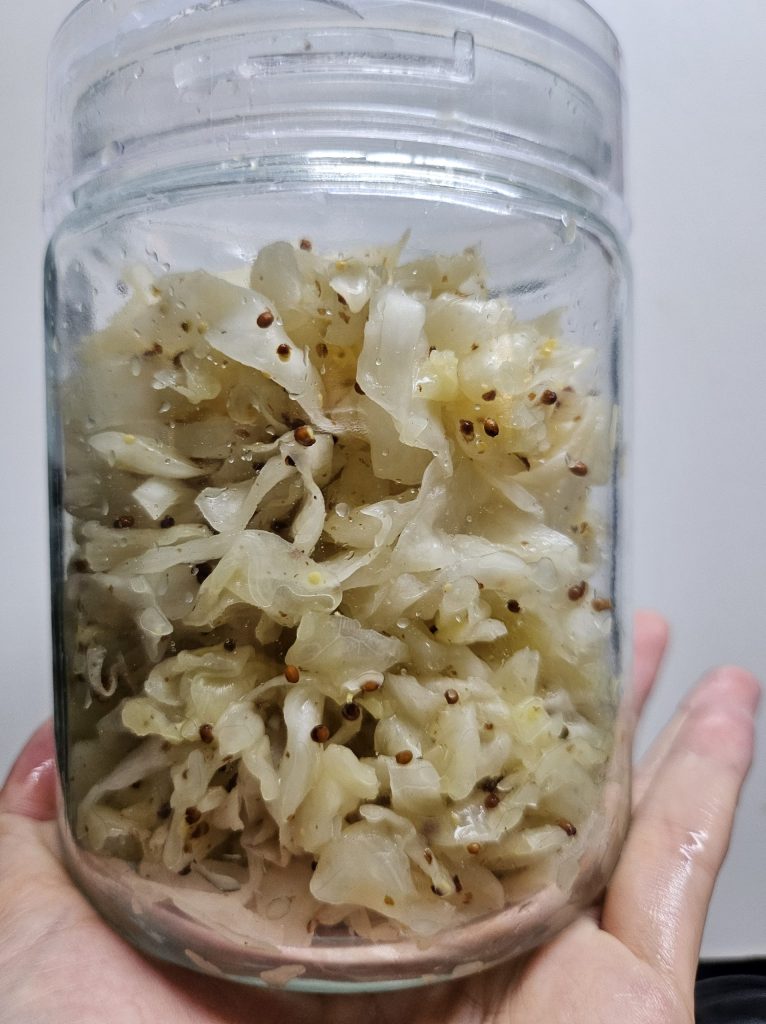
One of my favorite ways to practice mindful cooking is by making a quick, homemade version of sauerkraut — the kind that doesn’t take days to ferment. It’s fresh, crunchy, tangy, and ready to eat right away.


🥄 Ingredients

  • 1 small head of cabbage (about 1 kg)
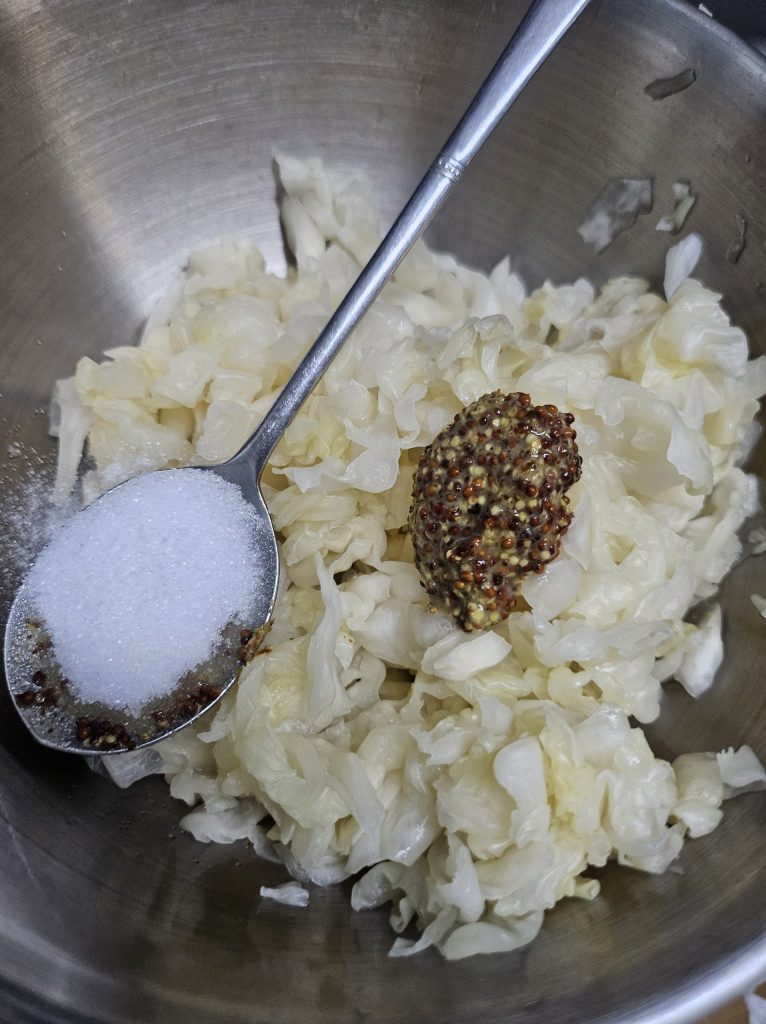
  • 1 tablespoon salt (sea salt or non-iodized)
  • 1 tablespoon sugar
  • 1 tablespoon wholegrain mustard
  • 1 tablespoon vinegar (apple cider or white)

Optional: Add shredded carrots, apples, or a few peppercorns for color and texture.


👩‍🍳 Instructions

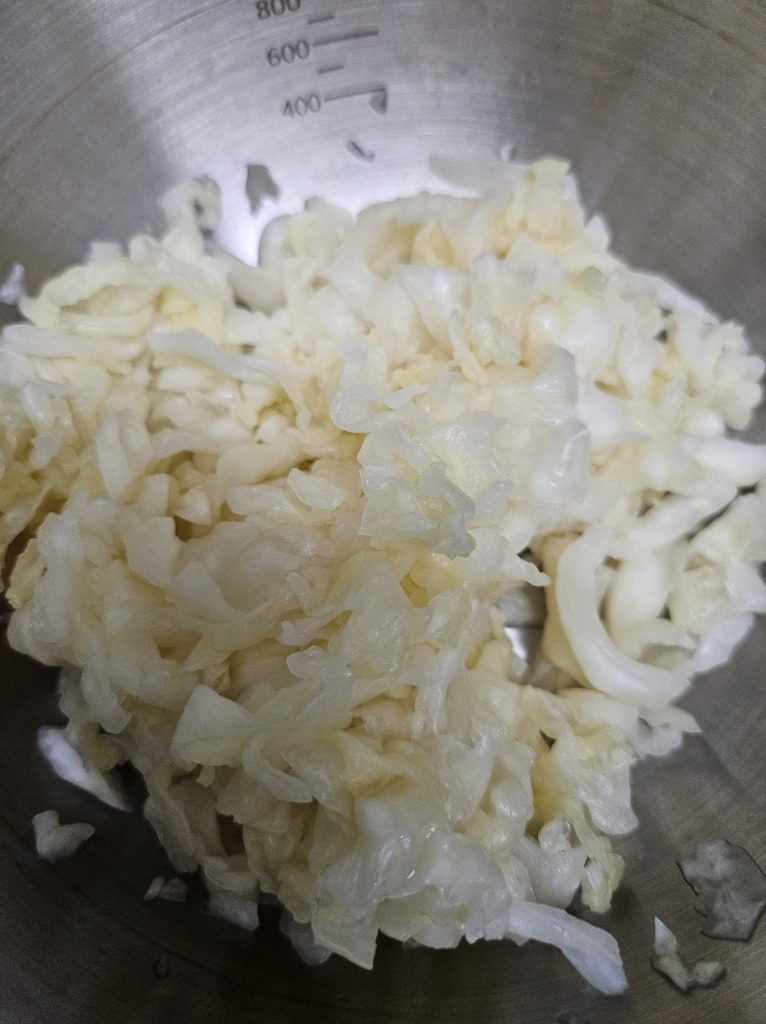
  1. Slice the cabbage thinly and place it in a large bowl.
  2. Add salt and gently massage for about 5 minutes until it softens and releases some liquid.
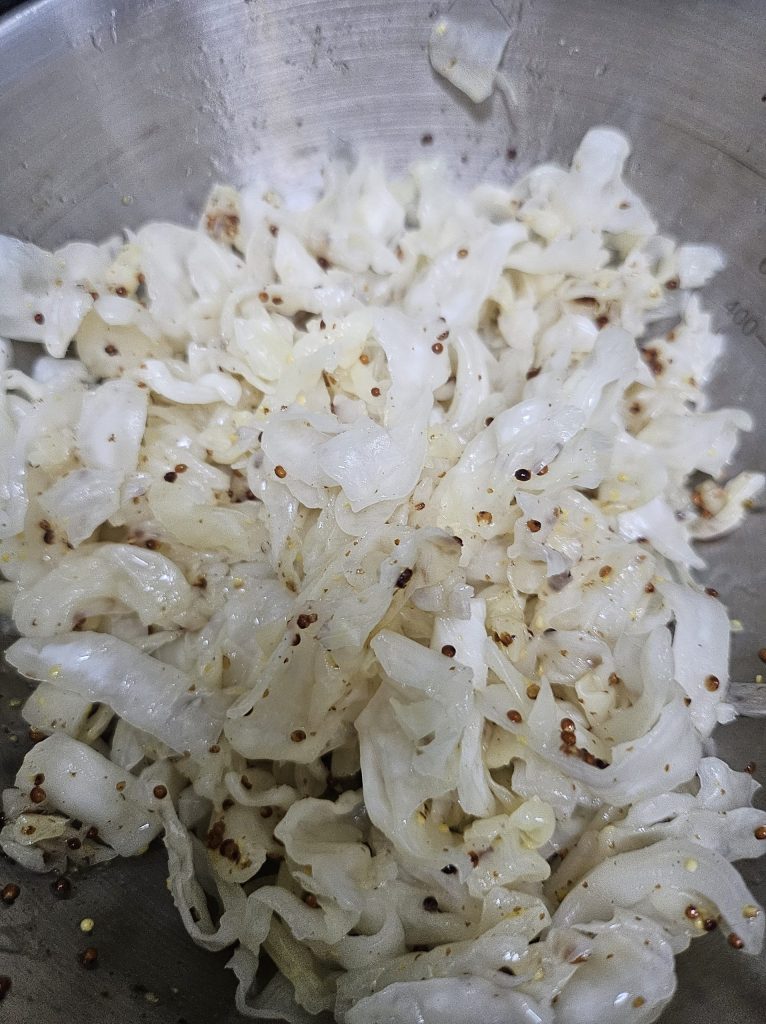
  3. Add sugar, mustard, and vinegar. Mix well until evenly coated.

3. Transfer to a clean glass jar and press down lightly.
4. Let it sit for 10–15 minutes, then store it in the fridge. It’s ready to enjoy the same day!

This version isn’t the traditional German fermented sauerkraut — it’s a quick-pickled salad style, bright and tangy. But that’s what I love about it. It’s simple, spontaneous, and feels human. The gentle act of slicing, seasoning, and tasting each bite brings you back to the present — a small ritual of mindfulness in the middle of a busy day.

I like to eat my sauerkraut with pizza, chicken, or even rice dishes. The vinegar and mustard balance the heaviness and make everything taste fresh again. And since it’s homemade, I can control the sweetness and acidity — no preservatives, no additives, just ingredients I know and trust.

Sometimes when I make it, I catch myself smiling without realizing it. My hands are busy, but my mind is calm. The crisp sound of the cabbage, the sharp aroma of vinegar, and the soft yellow hue from the mustard — they all remind me that mindfulness doesn’t have to be quiet or slow. It can be alive, colorful, and delicious.

Cooking this way makes me appreciate intentionality. Even when it takes only 15 minutes, the act of creating something from scratch gives meaning to the moment. You realize that mindful living isn’t about how long something takes — it’s about how present you are while doing it.

So if you’re looking for a simple, fast way to bring mindfulness into your daily routine, start here.
One cabbage, four ingredients, and fifteen minutes — that’s all it takes to taste calm and clarity in one bite.

👉 If you’d like to read more about slow living and mindful cooking, check out my post Mindful Cooking: How Slowing Down in the Kitchen Can Reconnect You with Time.
How to make Homemade yogurt

Mindful Cooking: How Slowing Down in the Kitchen Can Reconnect You with Time

Mindful Cooking

Although I often write about slow living, I recently realized that cooking itself can be a form of mindfulness — and there’s even a term for it: “mindful cooking.”

We live in a world that moves faster than ever. Meals arrive within minutes, groceries can be delivered in an hour, and frozen dinners promise “less time, more efficiency.” But somewhere between heating things up and scrolling through another short video, we’ve lost something quiet but essential — our sense of time.

Mindful Cooking

We eat quickly so we can rest, but most of the time, that rest doesn’t come. We sit down and open our phones, telling ourselves we’re taking a break, yet our minds stay busy. Hours pass, and at the end of the day, it feels as though nothing truly happened.

That’s why I began cooking — slowly, intentionally, and without music or screens. It started simply. I just wanted to eat something fresh. But over time, I realized that cooking wasn’t only about food. It was about returning to time itself.

🌿 Rediscovering the Rhythm of Time

When you cook, everything slows down. You can’t rush onions into caramelizing, or force water to boil faster. You chop, you stir, you wait — and in those small pauses, you begin to feel time again.
The kitchen becomes a quiet clock. The sizzle of oil marks the present moment. The smell of garlic spreads like a reminder to breathe.

I used to feel impatient during these moments. I wanted things to cook faster, to finish sooner, to move on. But gradually, I began to enjoy the rhythm — the way time stretches and softens when you stop fighting it. Cooking taught me something I had forgotten:

Time is not an enemy to be defeated. It’s a companion you can cook with.

cooking meditation

🍅 The Sensory Meditation of Cooking

Mindful cooking is not about complicated recipes or perfect results. It’s about being here.
When you wash vegetables, feel the cold water on your hands. When you cut fruit, listen to the crisp sound of the knife. When you stir, notice how your breath syncs with your movement.

This is cooking as meditation — an invitation to focus, not force. It doesn’t require incense or silence, only your attention. The scent of herbs, the warmth of steam, the soft clinking of dishes — all of these become your reminders that life is happening right now, right here.

Even when things go wrong — when you burn something or spill flour — it’s part of the experience.
Cooking, like life, will never be perfect. But every mistake becomes another chance to practice patience, forgiveness, and curiosity.

⏳ Cooking as a Form of Reconnection

In a digital world, we often measure time by notifications and deadlines. Cooking offers a different kind of measure — one that’s physical and deeply human.
You see the dough rise, the soup simmer, the vegetables soften. You’re reminded that growth takes time, and that waiting isn’t wasted — it’s part of creation.

Every time I cook without rushing, I feel myself reconnecting — not only with food, but with my senses, my body, and even the people around me. Sharing a meal that took time reminds me that love itself takes time.

Even if you cook only once a week, make it a mindful moment. Turn off distractions. Feel your hands, smell the air, notice the sounds. You don’t need to be a chef. You just need to be present.

Mindful Cooking:

🍵 The Gentle Rebellion of Slow Life

Mindful cooking is more than a trend — it’s a quiet act of resistance against hurry.
In a culture that praises speed and productivity, choosing to slow down is radical.
Cooking reminds us that the most meaningful things in life — warmth, flavor, presence — cannot be rushed.

You don’t have to make something fancy.
Make a simple soup. Slice some fruit. Toast a piece of bread with care.
What matters is that for those few minutes, you are aware — alive in your body, awake in your moment, and grateful for the slowness that modern life so often forgets.

So next time you feel overwhelmed or disconnected, step into your kitchen.
Let the rhythm of mindful cooking bring you back to yourself.
Let it remind you that time was never lost — it was only waiting for you to slow down enough to meet it again.

👉 In my next post, I’ll share one of my favorite simple dishes — a homemade sauerkraut recipe that brings both calm and freshness to everyday life. a homemade yogurt recipe

Mindful Wrapping: The Art of Presenting Gifts with Intention

mindful gifting

Mindful Wrapping

When we think about gifts, we often focus on what’s inside — the cookies, the scorns, the candles and the handmade jam. But how we present those gifts matters just as much. Wrapping isn’t just decoration; it’s a continuation of the story you’re telling. It’s the gentle pause before connection — an act of mindfulness that says, “I cared enough to make this moment beautiful.”

1. Wrapping as an Act of Mindfulness

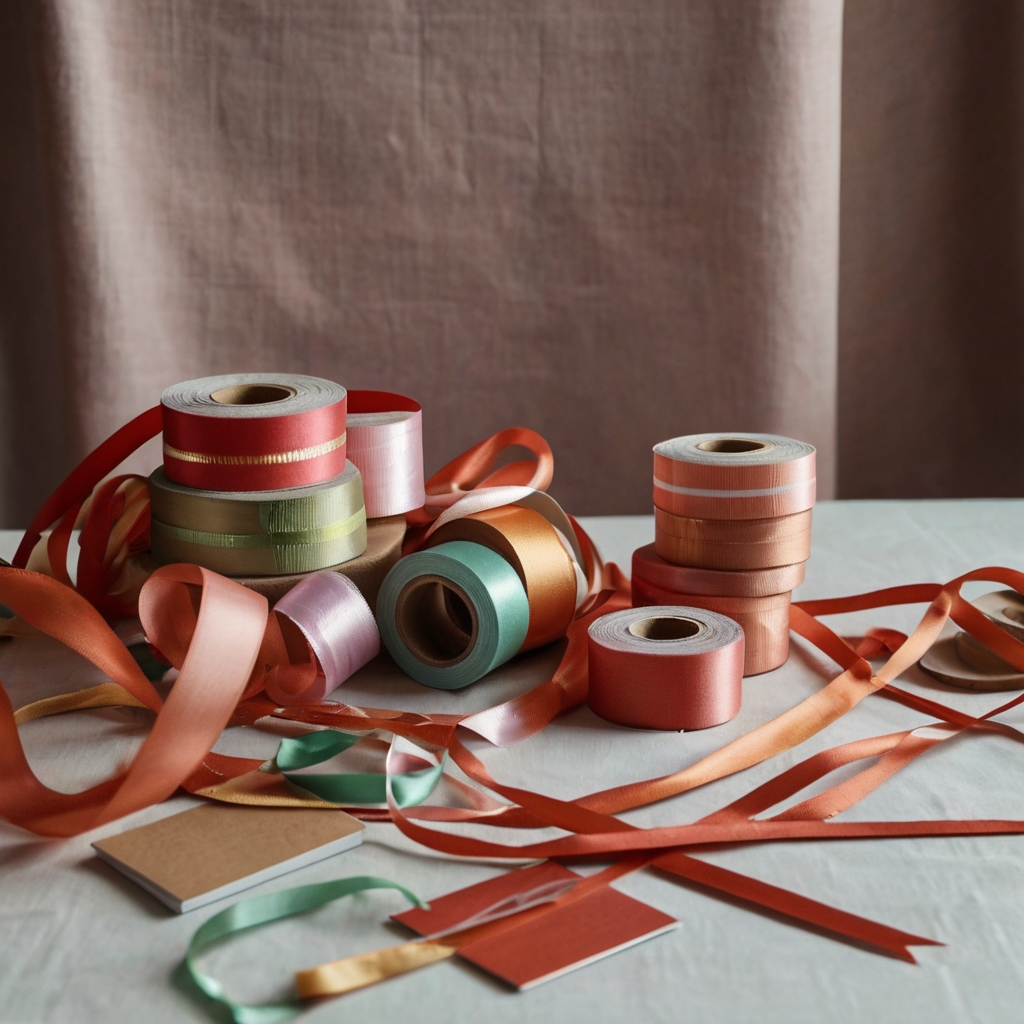
In a world of instant everything, wrapping a gift slowly and intentionally feels like meditation. You fold the wrap paper, taping, tie up with ribbon, adjust, and breathe. Even, when you add small card or letter in the gift these consecutive each motion has meaning. You’re not just covering an object — you’re adding an meaning on gifts.

Think of wrapping as your first conversation with the receiver. Before they even open the gift, they feel something — calmness, curiosity, care. That’s why mindful wrapping isn’t about perfection; it’s about presence.

2. The Psychology of Beautiful Presentation

Research in consumer psychology shows that people perceive wrapped gifts as more valuable and emotionally meaningful — even when they know what’s inside. Why? Because presentation signals effort and intention.

A well-wrapped gift triggers anticipation and gratitude. It tells the receiver, “You matter.” And that small psychological signal makes the emotional impact of giving even stronger.

3. Sustainable and Simple Wrapping Ideas

You don’t need glitter or plastic ribbons to make a gift beautiful. Mindful gifting often means sustainable gifting. Use recycled or reusable materials — brown paper, linen, dried flowers, or simple twine.

  • Fabric wrapping (furoshiki style): A Japanese-inspired method that transforms wrapping into art.
  • Natural accents: Tie in cinnamon sticks, rosemary sprigs, or a small dried orange slice.
  • Personal notes: Add a short message, even just one sentence — “Made this thinking of you.” It’s far more touching than any expensive tag.

Remember, beauty is in simplicity.

4. The Emotional Layer of Giving

When you wrap mindfully, you extend the emotion of giving. You’re saying:

“This isn’t just an object — it’s an experience I want you to feel.”

Handmade gifts already carry your time and energy. The wrapping becomes the final expression of your intention — a quiet moment that connects your world to someone else’s.

I often notice that when I give a handmade item wrapped carefully — even if it’s in simple paper — people pause before opening it. That pause is precious. It’s the silence where appreciation and emotion live.

5. Wrapping as Self-Reflection

Sometimes, while wrapping, I realize how much I’ve grown. My early gifts were rushed — torn tape, mismatched ribbons. Now I slow down. I choose textures that feel right, colors that align with the mood. It’s no longer just for others; it’s a way for me to express calmness and gratitude.

Mindful wrapping teaches patience. It reminds us that beauty lies in details, in care, in quiet focus. It’s another form of meditation — a tactile, creative one that keeps us grounded in the present moment.

mindful gifting

🌿 Final Thoughts

A gift is not only what’s inside. It’s also how it’s given. When you wrap something with mindfulness, you turn an ordinary exchange into a shared moment of calm and connection.

So next time you give a handmade cookie, candle, or knitted coaster, don’t rush the wrapping. Choose your materials slowly, breathe, and remember — presentation isn’t perfection. It’s intention.

Because sometimes, the most beautiful part of a gift is the care you can’t see but can feel.

The Psychology of Gifting: Why Giving Handmade Gifts Feels So Good

Psychology of Gifting

We often think of gifts as objects — something to wrap, exchange, and forget. But if you’ve ever made something with your own hands and given it to someone, you know it’s more than that. The real psychology of gifting isn’t about the object at all; it’s about the emotion behind it — the quiet joy of creating something meaningful and watching someone’s eyes light up.

Psychology of Gifting

1. The Joy of Giving

Modern psychology calls it the giver’s high — the happiness that comes from generosity. When we give, our brains release oxytocin and dopamine, creating a sense of connection and calm. It’s the same feeling we get from meditation or mindfulness: being fully present in a moment that matters.

Unlike store-bought gifts, handmade ones carry something invisible — time. Every stitch, brushstroke, or drop of wax holds a trace of the maker’s care. Giving something you’ve made is like saying, “Here’s a piece of my day, of my heart, just for you.”

2. Handmade Gifts and Authentic Emotion

There’s something deeply human about imperfection. A slightly uneven cookie, a candle with tiny bubbles, a coaster that curls at the edges — all of them tell a story. In a world that praises flawless mass production, handmade gifts remind us that sincerity matters more than perfection.

Creating something with your hands activates parts of the brain related to satisfaction and emotional regulation. You slow down, pay attention, and feel grounded. That’s why handmade gifts don’t just make others happy — they make you mindful, too.

3. Giving as Mindfulness

When you make something for someone, you think about them: their favorite color, the scent they love, what might make them smile. That process itself becomes a quiet meditation. You’re not just producing an item — you’re practicing empathy, presence, and love.

This is what I call mindful gifting. It’s less about impressing and more about connecting. It’s not transactional; it’s emotional. And when you hand it over — without expecting anything in return — you feel a calm sense of fulfillment that lasts much longer than a “thank you.”

4. The Emotional Connection It Builds

A gift is never just a gift. It’s a bridge. When someone receives something handmade, they feel seen — not for what they have, but for who they are. That’s what strengthens relationships: not the value of the object, but the intention woven into it.

Over time, you realize that the act of giving changes you, too. It expands your empathy. It softens your edges. You become more attuned to the small, beautiful details of others’ lives — the way they smile when unwrapping a jar of homemade jam, or how they carefully light the candle you made.

Psychology of Gifting

5. The Quiet Power of Creating to Give

There’s no need for perfection or praise. The joy lies in the making, the wrapping, and the gentle offering of something you’ve touched. Handmade gifts remind us that we don’t need to change the world — sometimes it’s enough to brighten one person’s day.

When we give, we heal a little too. The psychology of gifting isn’t about generosity alone; it’s about belonging, gratitude, and the simple truth that joy multiplies when shared.

So next time you make something — a cookie, a candle, a knitted square — remember: you’re not just crafting an object. You’re creating a connection.