5 Easy Homemade Gifts You Can Make in One Afternoon

DIY presents

In today’s fast-paced world, it’s easy to click “buy now.”
As you know, a homemade gift is powerful — it shows your heart, your time, and your intention to the people you love. By creating it, you will have a deeper emotional connection than store-bought gifts. Handmade gifts activate a sense of closeness, gratitude, and shared humanity — something we crave even more in a world of speed, convenience, and one-click shopping.


But easy homemade gifts carry something different — time, care, and genuine thought. You don’t need days of preparation to make something meaningful. With just one free afternoon, you can turn ordinary ingredients into mindful gifting — presents made with intention, not pressure.

1. Homemade Cookies 🍪

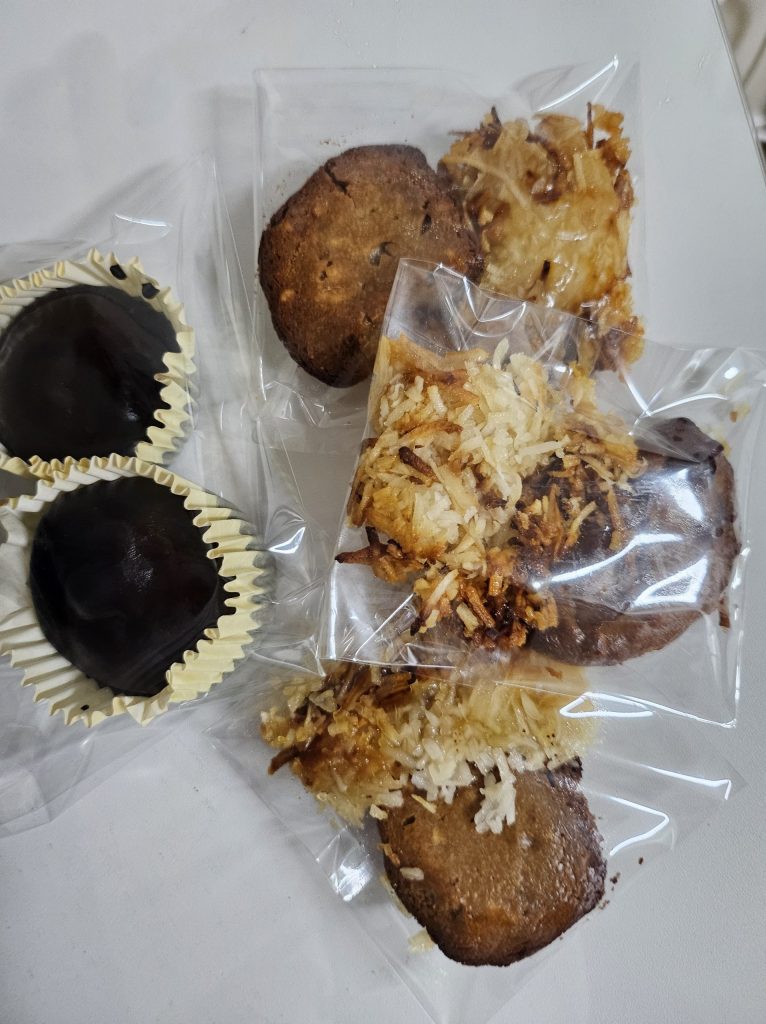
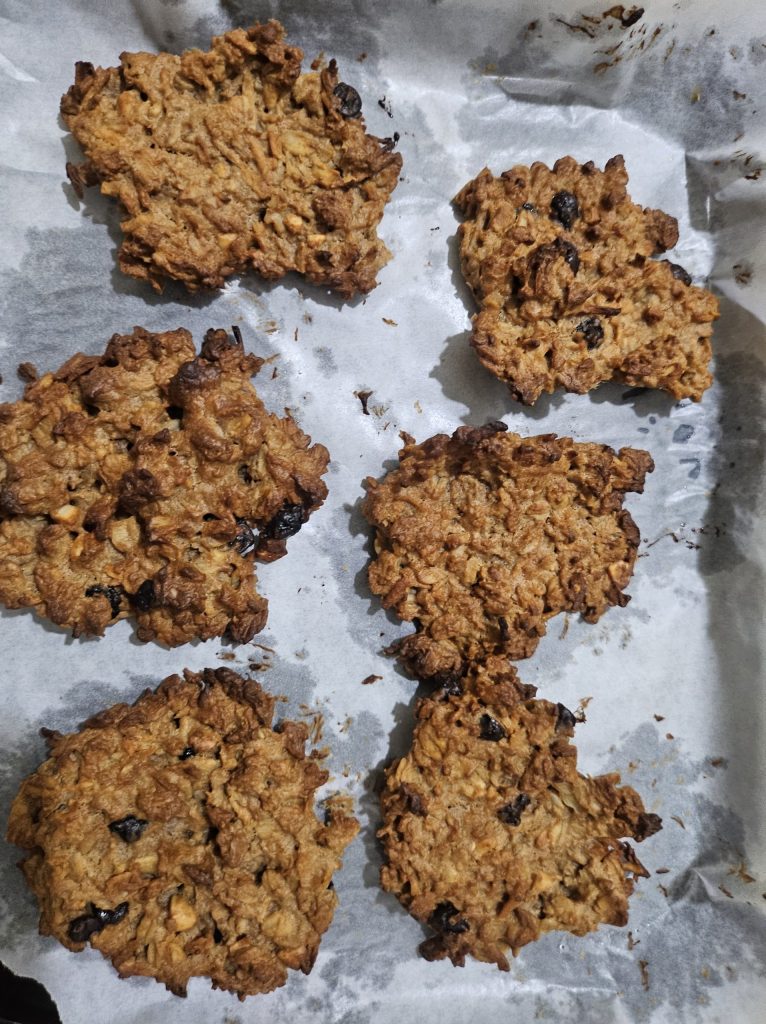
Homemade cookies are surprisingly easy to make — even for beginners. You don’t need fancy tools or expensive ingredients; just 2–3 hours and a simple recipe from YouTube will do. I once bought 10kg of sweet potatoes and couldn’t finish them, so I turned them into sweet potato cookies and shared them with friends. They loved how healthy and filling they were!

That’s the beauty of DIY presents: you can adjust them to match someone’s taste. Add extra nuts or chocolate for a friend with a sweet tooth, or reduce sugar for someone on a diet. Even if the cookies look imperfect — cracked, uneven, or a little burnt — people appreciate the personal touch. It’s not about perfection; it’s about warmth.
2. Homemade Jam 🍓

Making jam is one of the easiest and most satisfying easy homemade gifts. All you need is fruit, sugar, and time to let it simmer. Pour it into small jars and decorate with labels or ribbons. Homemade jams look rustic and charming — and because they lack preservatives, they feel more natural and real.

Just remember to sterilize your jars properly to avoid mold. I find small jars more practical for sharing, and they let you experiment with unique flavors — fig, orange, or even mulberry jam that you can’t find in stores. A thoughtful jam feels like a hug in a jar.

3. Scented Candles with Essential Oils 🕯️

Candles are another mindful gifting favorite. You can make them in glass jars using soy or beeswax, adding essential oils like lavender, bergamot, or ylang-ylang for relaxation. The process itself feels meditative — melting, pouring, decorating.

If you’re feeling creative, you can decorate your candle tops with dried flowers or shells. Just make sure to choose the right wick size so the candle burns evenly. The charm of a handmade candle is not just in how it looks but in the fact that you know exactly what goes inside — clean, natural, and intentional.

4. Herbal Tea Blends 🍵

Tea blending is an underrated art — and an incredibly easy homemade gift. If you know your friend’s habits (for example, avoiding caffeine or loving floral scents), you can tailor the blend perfectly. Mix chamomile with peppermint for relaxation, or rooibos with dried fruit for a caffeine-free treat.

Even if you’re not experienced, there are tons of online guides to help with ratios. You can buy herbs from local markets or even dry your own fruit slices at home. When you share your blend, you’re not just giving tea — you’re sharing calmness.


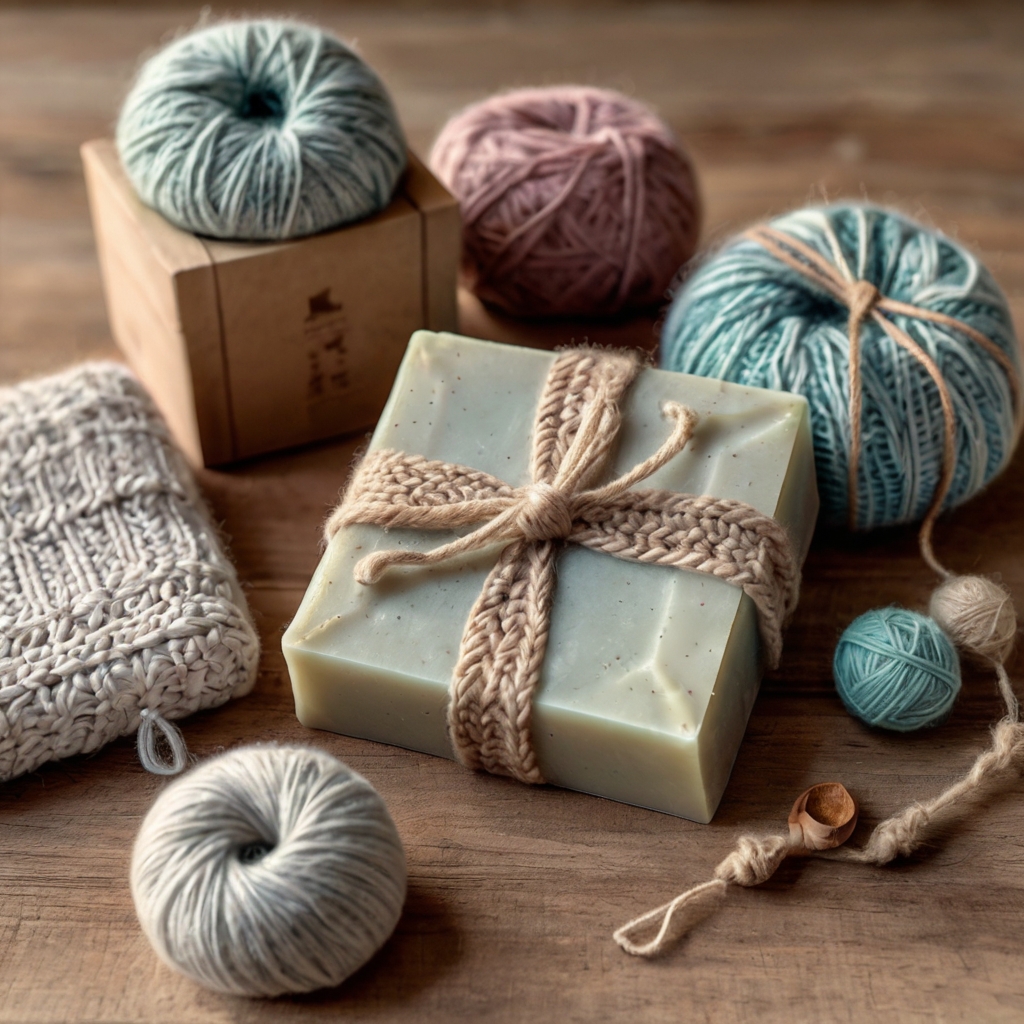
5. Knitted Coasters or Upcycled Crafts 🧶

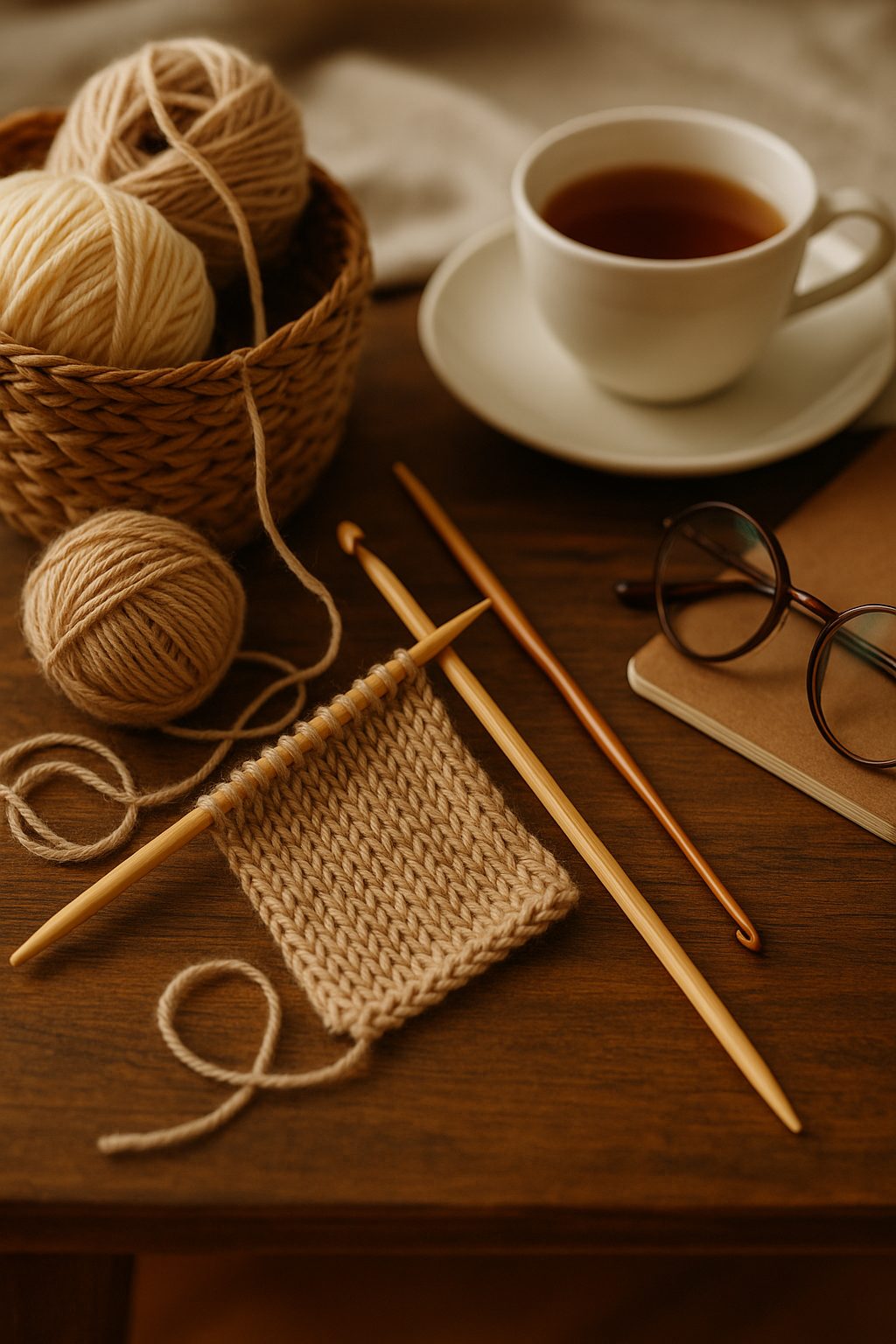
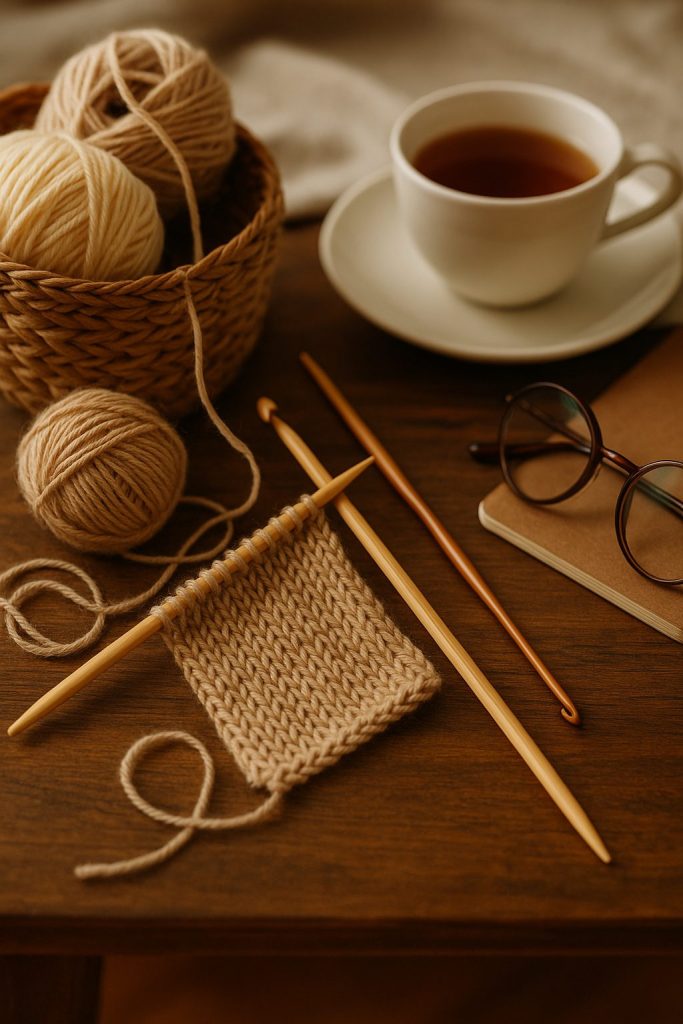
If you’ve followed my knitting posts, you know how much I value mindful making. Small knitting or crochet projects like coasters or dishcloths make perfect gifts. They’re quick, practical, and carry your touch in every stitch.

And if knitting isn’t your thing, try upcycling! Old jeans, shirts, or fabric scraps can easily become coasters or cup holders. Turning something old into something useful gives it new life — a sustainable, heartfelt DIY present.

The Meaning Behind Handmade Gifts

Homemade gifts don’t have to be perfect. What matters is the story behind them — the thought, the small gestures, and the joy of sharing something you made yourself. Even a cracked cookie or uneven candle holds more sincerity than any store-bought gift ever could.

I’ve learned that mindful gifting is not just about giving — it’s about connection. When I share something handmade, people remember it. Sometimes they treat me to lunch later, sometimes they just smile a little warmer. It’s not about the cost; it’s about care.

So next time you have a free afternoon, don’t just scroll through your phone — make something. Whether it’s cookies, candles, or coasters, you’re not only creating gifts, but also memories.
The Life Lessons I Learned from Dropped Stitches

drop stitches

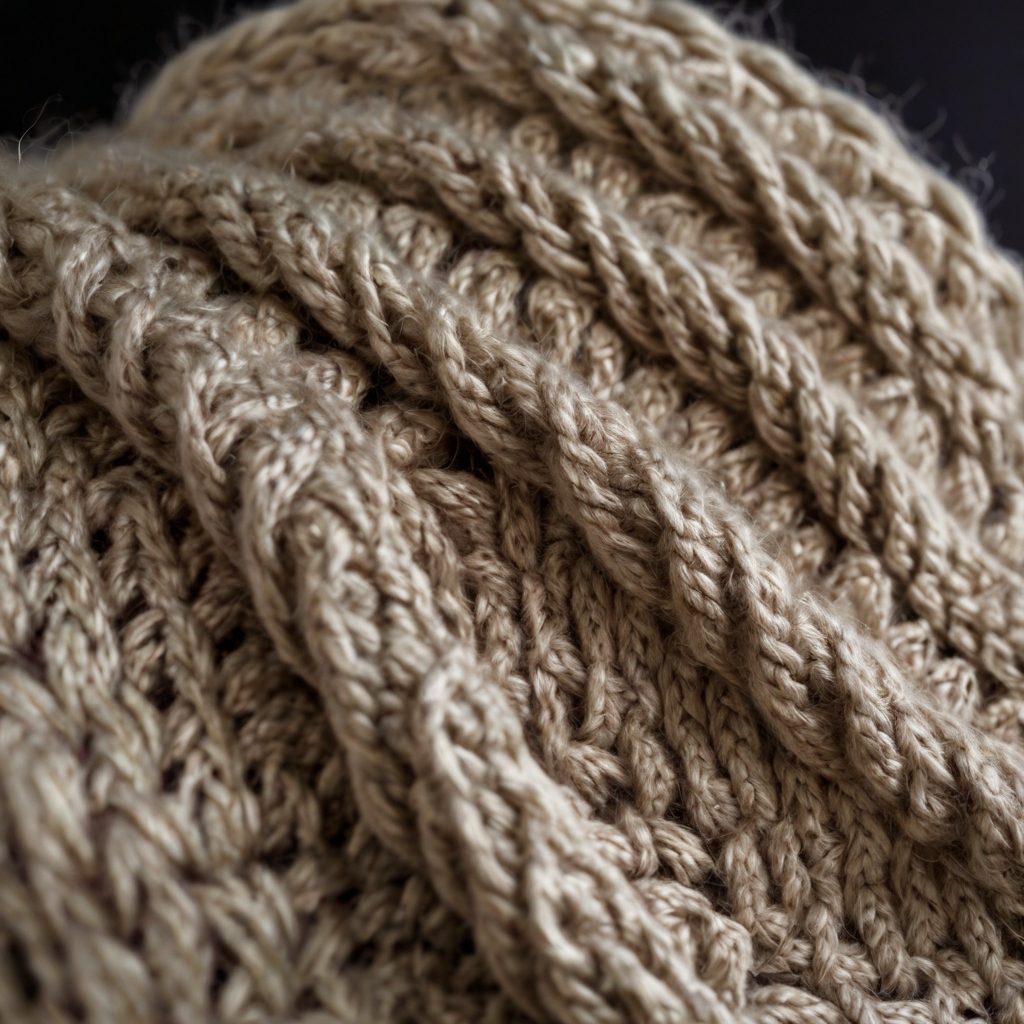
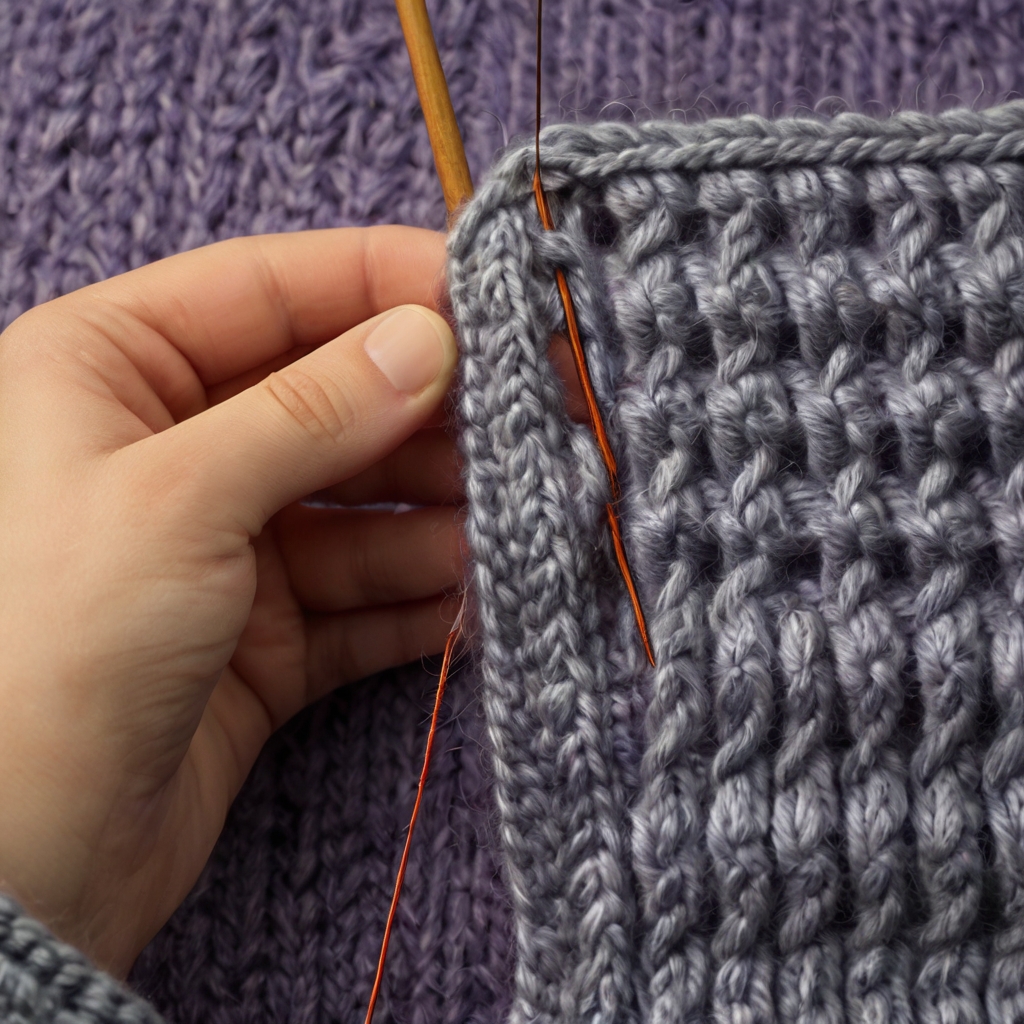
Every knitter knows the sinking feeling of spotting a dropped stitch—the one that slipped off the needle and threatens to unravel everything you’ve built. I used to panic when I saw it. It felt like failure, like I wasn’t careful enough. But over time, mindful knitting helped me realize that those little mistakes weren’t failures at all—they were quiet teachers about life itself.


Lesson 1: Patience

When you drop a stitch, there’s no shortcut to fixing it. You have to pause, breathe, and carefully trace your steps backward. Sometimes it means unraveling hours of work. At first, I hated that.

And honestly, sometimes I still do. When I lose a stitch, I get frustrated and feel like giving up. I’ve done that many times—working with excitement, enjoying the rhythm, only to realize I made a mistake that ruined the pattern. Suddenly, my motivation disappears, and I just want to quit.

But mindful knitting taught me something different—it’s okay to stop. You can always come back later. Once, I didn’t touch my project for an entire year. Then, one day, I picked it up again, fixed the mistake, and finished it easily.

That experience taught me something deeper—not just about knitting, but about mindfulness and knitting together. I tend to start many things but not always finish them. Still, returning to that half-done project a year later showed me something beautiful: it’s okay to pause. The “past me” began it, the “present me” continued it, and the “future me” completed it.

Knitting life lessons like this one remind me that even if I stop for a while, it doesn’t mean I failed—it just means I’m allowing time and patience to do their quiet work.

Lesson 2: Acceptance

Even if it’s not perfect, the process itself holds meaning. My time, my hands, my effort—none of that disappears. A handmade piece might not be as flawless or polished as something store-bought, but its uneven stitches and little quirks carry warmth and love.

That’s what mindful knitting is all about: learning to embrace imperfection. In the past, whenever a project didn’t get recognition or success, I thought it was meaningless and left it out of my portfolio. But now I see how wrong I was. Even unseen work shaped me—it made me stronger and showed me which paths weren’t mine to take.

Knitting is just like that. You start to build your own “know-how.” You learn which yarns work better, which needles feel right, and how to adjust tension. Every imperfect attempt adds to your quiet wisdom and deepens your practice of patience in knitting.

mindful knitting

Lesson 3: Starting Over

Yes, sometimes a missing stitch doesn’t seem like a big deal—until later, when the shape twists, the pattern misaligns, and the design doesn’t look right anymore. I used to think, “That’s in the past,” and just kept going. But when I looked at the finished piece, I always felt regret.

Now I know better. Mindful knitting showed me that quality comes from paying attention to each stitch. Knitting slowly, one loop at a time, helps you stay present—not just to create something beautiful, but to create something with intention.

Work is the same way. If I don’t do what needs to be done today, I’ll eventually have to come back and fix it later. So I try to stay focused, to do it right the first time. That’s another quiet lesson that mindfulness and knitting teach so well.

Mindfulness Connection

Knitting reminds me that life is stitched one day at a time. You can’t rush the process. Each loop, each row, requires care and focus. A dropped stitch doesn’t ruin the whole fabric—it’s simply a small reminder to return to the present moment.

Practicing mindful knitting turns ordinary moments into meditation. When we lose focus, we can always come back. That’s the beauty of both knitting and living: every moment offers a new beginning.


Conclusion

Knitting isn’t just about scarves or sweaters—it’s about patience, presence, and persistence. Creating something slowly with your own hands mirrors the way we build our lives.

Even mistakes can become mindful teachers if we’re willing to listen. The next time you drop a stitch, don’t curse it. Smile, take a breath, and remember—this, too, is part of your pattern.

If you want to start knitting, check my post Knitting for Beginners: How to Start Without Feeling Overwhelmed.

Why Homemade Gifts Bring Joy and Meaning

homemadeGift

Mindful Gifting: How Homemade Treats Bring Joy to You and Others

In today’s fast-paced world, most gifts are purchased with just a few clicks. Convenient, yes—but often impersonal. That’s why homemade gifts feel so different. Whether it’s baking cookies, making jam, or even preparing candles, the process of creating something by hand is not only about the final product. It’s an act of mindfulness, a way to connect with yourself and share joy with others.

The Mindful Side of Creating

When you create something from scratch, you slow down. Mixing flour, choosing jars, or tying ribbons may look simple, but these details invite you to focus fully on the moment. This is the essence of mindfulness: noticing, breathing, and letting your hands guide your mind.

Unlike scrolling on a phone or buying something pre-made, crafting a homemade gift immerses you in the process. You’re not just making “a thing”—you’re training your brain to concentrate, to feel calm, and to enjoy small achievements.

mindful gifting

From Kitchen to Gift: The Joy of Sharing

One of the most surprising things about homemade gifts is how the act of giving changes the way you create. When you bake for yourself, you might be casual. But when you bake for a friend, you measure more carefully, decorate more thoughtfully, and even search for nicer packaging. That extra attention isn’t pressure—it’s care transformed into action.

Handing a jar of homemade jam or a bag of cookies to someone creates a connection. Your time, effort, and intention become part of the gift. This is what I call mindful giving: not just self-care, but care that extends outward, enriching relationships.

Simple Ideas for Beginners

The beauty of mindful gifting is that it doesn’t need to be complicated. Start with small, practical projects:

Cookies: Simple ingredients, endless variations. Wrap them in parchment paper or small tins for a warm, homemade feel.

Jam: Seasonal fruit, sugar, and jars. Perfect for breakfast tables, and easy to customize with labels.

Candles or scrubs: Everyday items like soy wax, essential oils, or sugar can be turned into thoughtful, personal gifts.

Tea blends: Mix dried herbs or loose tea with a personal note. Small but meaningful.

Each of these ideas can be expanded into full guides later, but they all share one thing: they allow you to create something unique while practicing mindfulness.

The Extra Benefit: Affordable and Meaningful

Homemade doesn’t mean expensive. In fact, making in batches often lowers the cost compared to buying ready-made products. More importantly, the value of a DIY gift comes from effort and creativity.

Think about it: anyone can buy a store-bought candle, but not everyone can give a jar of jam that was stirred slowly, bottled with care, and finished with a handwritten note. That emotional value cannot be matched by money.

mindful gifting

Mindfulness in Action

Homemade gifts are more than hobbies—they are a practice of mindfulness in daily life. You pause, you create, you reflect, and finally, you share. The cycle starts with you but ends with someone else’s happiness.

This is why mindful gifting feels so powerful. It transforms ordinary tasks like baking or wrapping into meaningful rituals. It teaches us that mindfulness is not just about sitting still with our breath. It is about how we live, create, and give.

So the next time you wonder what to give, try making something yourself. A batch of cookies, a jar of jam, or a simple handmade item could become more than a present—it could become a piece of your care, presence, and mindful living.

👉 If you never try it in your life, check this posting and start your first mindful gift today.

Why Knitting is a Powerful Mindfulness Practice , Knitting for Beginners, Best Yarns and Tools for Mindful Knitting

Knitting in Public: How Commuting Can Boost Mindfulness and Creativity

knittinginpublic

Most people check their phones on the subway. I knit. What started as a small experiment has now become one of my favorite ways to reclaim time and add mindfulness to my daily commute.

When I used to ride the train, I often defaulted to scrolling through my phone. Sometimes I would read, but with dim lighting and constant noise, it was hard to focus. Especially on short rides—just one or two stops—it felt awkward to open a book, so I ended up staring at my phone out of habit. The problem is that once this habit sets in, it doesn’t stay in the subway. I found myself dragging through feeds at home or during breaks, and by the end of the day I felt like I had wasted my time without any real rest or creation.

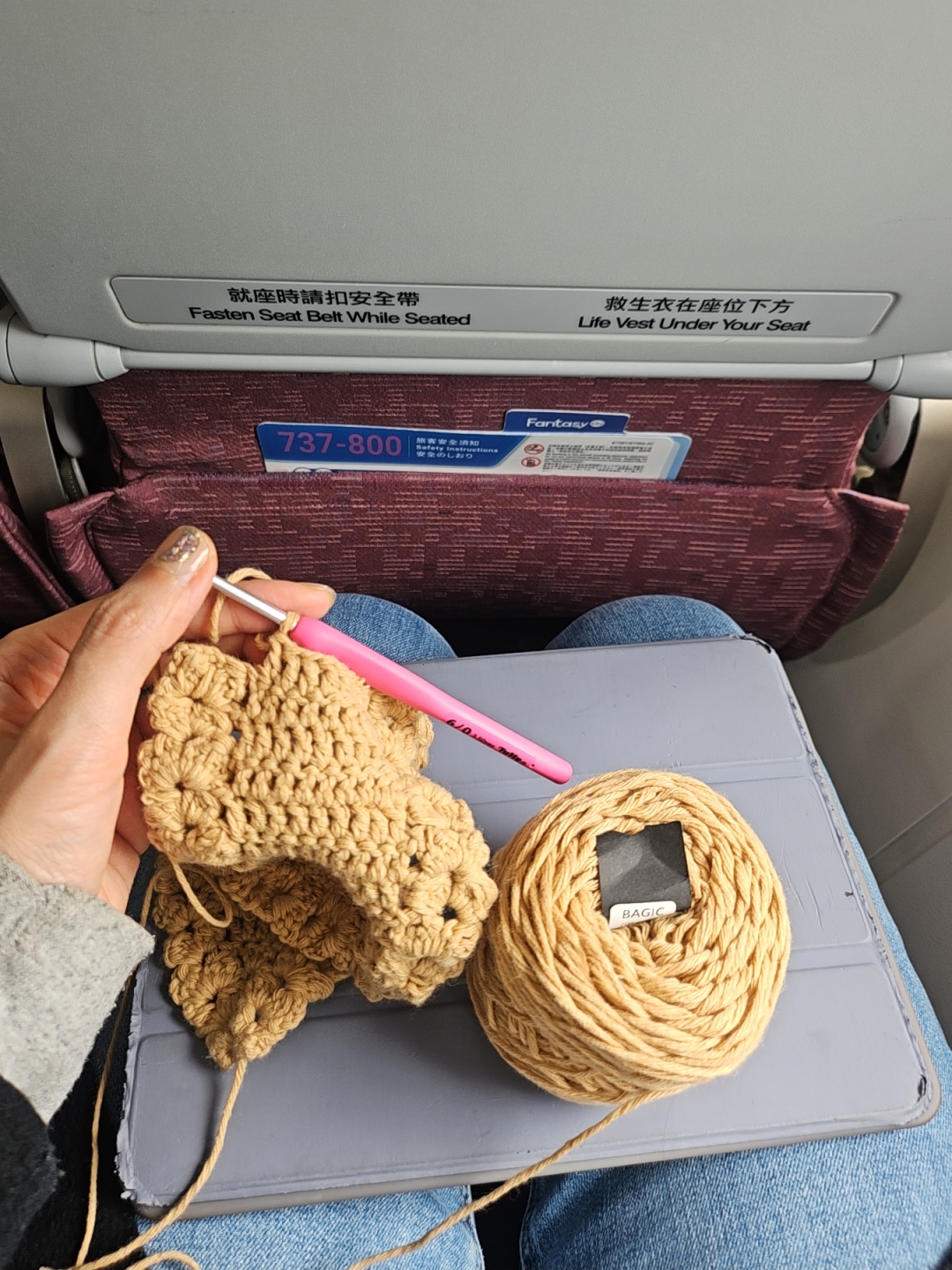
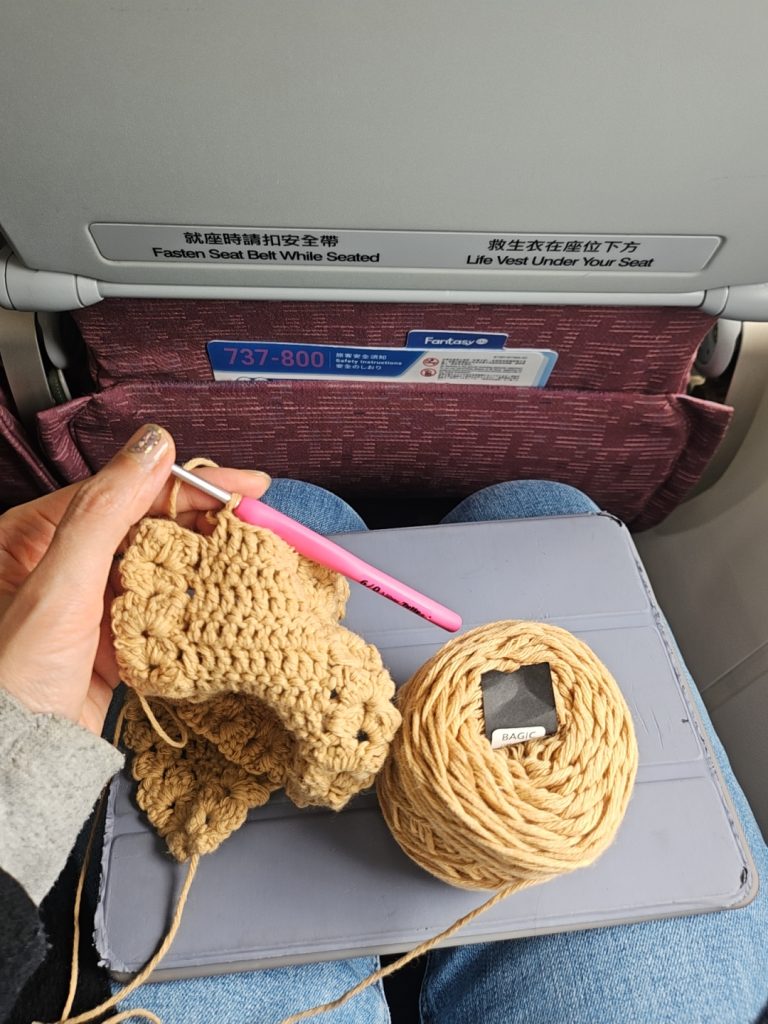
That’s when I turned to knitting. Knitting in public might sound unusual, but it works beautifully. It’s portable, calming, and surprisingly social. A ball of yarn and a pair of circular needles fit neatly in a small bag, and even ten minutes is enough to make progress on a project. I often work on scarves or coasters—simple items that don’t require too much space. Sometimes, strangers notice and strike up conversations: What are you making? How long have you been knitting? These small interactions create unexpected connections and even turn commuting into a social experience.

knitting in public

Of course, there are practical tips that make commuter knitting easier:

  • Pick small projects like socks, beanies, or dishcloths that don’t take up too much room.
  • Use circular needles to prevent dropped stitches in crowded spaces.
  • Keep yarn in a drawstring bag so it doesn’t roll away on the floor.

Beyond the practical side, knitting has mindful benefits. Once your hands fall into rhythm, the noise of the subway fades away. The repetitive motion calms your nervous system and helps you focus, unlike the constant stimulation of a phone screen. By the time I arrive, I feel more relaxed than when I left, almost as if I’ve meditated.

knitting in public

There’s also a sense of accountability and motivation that comes when you knit in public. Joining a knitting circle or community group means you set small goals and share progress. Even casual commuters have asked me about yarn choices or shared their own stories, reminding me that knitting is more than a hobby—it’s a way to connect.

Knitting in public is, in a way, a small rebellion against wasted time. It proves that mindfulness doesn’t have to wait for a quiet room or a retreat; it can live in the busiest, noisiest places—even a crowded subway. If you’re tired of losing time to endless scrolling, bring your yarn on your next ride. You may find that every stitch is not just a creation, but also a moment of calm reclaimed from distraction. If you’ve never tried knitting in your life, check out this post—you might discover a new way to relax and focus.

Is AI Boosting Productivity or Stealing Our Focus?

stolen-focus

Recent years, it has become almost impossible to avoid the conversation around AI. Everywhere we look, people are saying that artificial intelligence. boosts productivity and saves countless hours. And on the surface, that’s true. I personally use AI every day—mostly GPT for writing and coding support, and image generation tools for creative projects. It feels like a digital assistant that can deliver results in seconds. Tasks that once took me 30–60 minutes now sometimes take just a few clicks.

But I’ve also started to notice something troubling: faster output does not always mean deeper productivity.

When Speed Replaces Engagement

Before I leaned on GPT, writing was a slow but immersive process. I would sit down, gather my thoughts, and carefully shape them into words. That process demanded focus, and even though it took longer, it made me feel more connected to my ideas.

Now, I can simply type “Can you draft this?” and within moments I have a polished paragraph. It’s efficient, but it also feels a little empty. Because the words didn’t pass through my own mental filters, I sometimes forget what I’ve already written. I’ve even caught myself publishing articles with almost identical arguments—something that rarely happened when I was more involved in the process.

The Hidden Cost of Passive Creation

One unexpected side effect is that when I let AI take over too much of the process, I actually feel sleepier and lose focus more quickly. It’s almost as if my brain disengages because I am not actively involved. Sometimes I catch myself dozing off or getting drowsy much sooner than when I was fully immersed in writing or problem-solving on my own.

This aligns with research showing that passive screen time often increases fatigue because our brains crave active engagement. When AI reduces our role to a few quick prompts, the creative “muscles” we once used start to weaken. Frontiers in Psychology highlights that passive digital activities can make us feel more drained, not less.

The Distraction Trap

AI also creates a strange time paradox. While waiting for a long piece of text or code to generate, I often have a few minutes of downtime. Instead of just pausing, I end up reaching for my phone. A quick scroll on social media, a glance at the news, or a short video—and suddenly, I’ve lost my focus entirely. What should have been a three-minute wait often turns into a twenty-minute distraction cycle.

It’s ironic: AI is supposed to save time, but without discipline, it can actually steal it.

The Bakery Analogy

I like to think of it this way: AI-generated work can feel like buying bread from a factory. It’s fast, consistent, and efficient. But when you bake bread yourself—choosing ingredients, kneading the dough, and even failing a few times—the result carries more meaning. The product might look similar, but the process gives it soul.

Similarly, when we rely too heavily on GPT, the personal investment in our work decreases. That lack of ownership not only reduces satisfaction but can also erode creativity and long-term skill growth.

Balancing AI and Mindfulness

So, how can we make AI a helpful tool rather than a silent thief of our focus?

  1. Stay in control of the creative process. Draft your main ideas first before handing them to AI for polishing.
  2. Limit passive waiting. If a task takes time to generate, step away from the screen instead of reaching for your phone.
  3. Use AI as a sparring partner, not a ghostwriter. Let it challenge your thinking, not replace it.
  4. Practice mindful work. As Greater Good Science Center points out, mindful engagement keeps us energized and reduces burnout.

The Bigger Question

As Harvard Business Review notes, AI creates a productivity paradox: it makes us faster, but not necessarily more effective. Real productivity isn’t just about speed—it’s about attention, depth, and meaning.

So, ask yourself: is GPT helping you reclaim time for what matters, or is it quietly stealing your focus?

For me, the answer depends on how I use it. When I set clear boundaries, AI becomes a valuable ally. But when I let it take over entirely, I end up not just less creative—but sometimes even more tired.

The Best Yarns and Tools for Mindful Knitting: A Beginner’s Guide

knitting

The right yarn and needles don’t just make knitting easier—they shape how the practice feels. If knitting is your form of meditation, comfort matters more than cost. The textures in your hands and the rhythm of the stitches can either calm your mind or create unnecessary stress. Of course, as you knit more often, you may experience wrist or arm fatigue, and at some point you might invest in branded tools. But in the beginning, when you are simply testing whether this hobby fits your lifestyle, affordable yarns and needles are more than enough. The most important thing is to start, not to spend.

Choosing Yarn

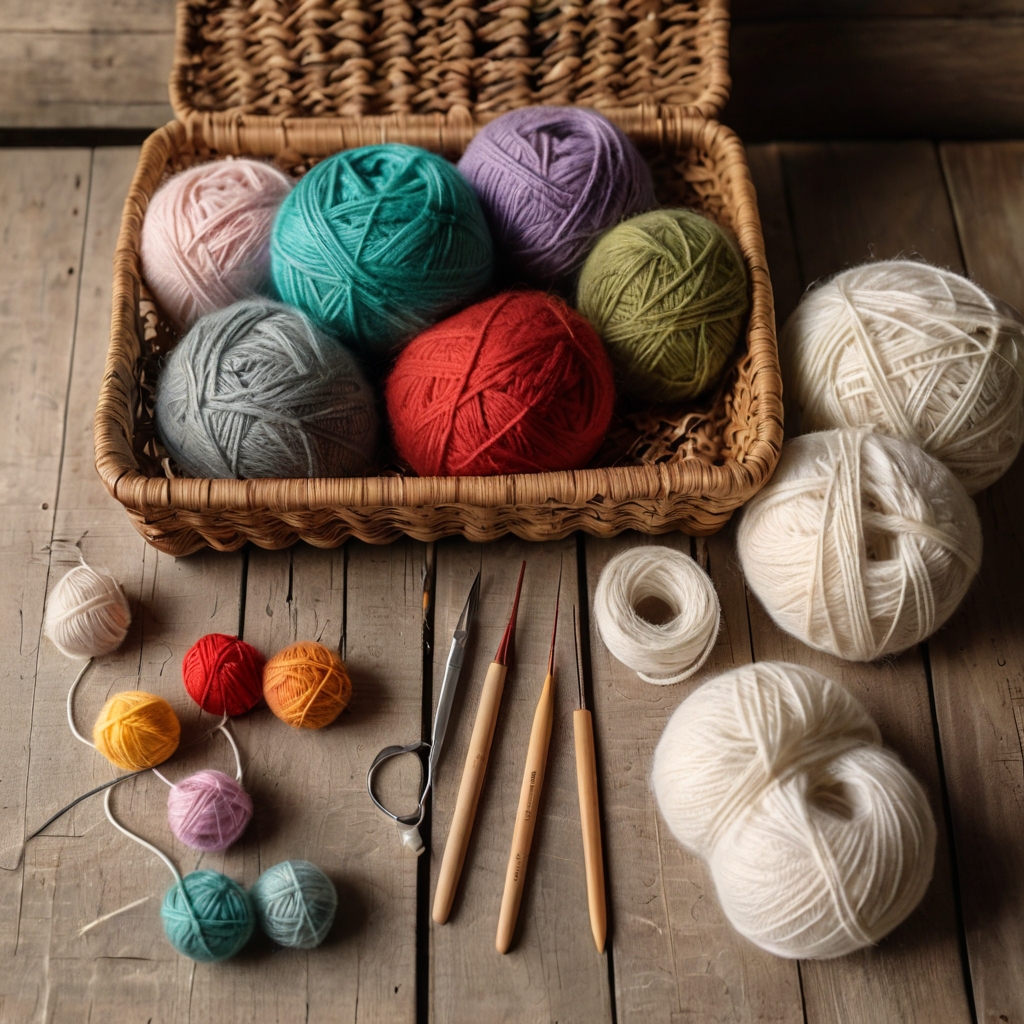
When starting your mindful knitting journey, the yarn you select plays a big role in how enjoyable the process feels. Soft and soothing fibers such as cotton, merino wool, or bamboo blends glide gently through your fingers, making each stitch more relaxing. Color choice matters too: earthy neutrals and pastels promote a calming atmosphere, while brighter shades spark energy and creativity.

For beginners, medium or bulky yarn is highly recommended. The stitches are easier to see, mistakes are easier to fix, and the progress feels more satisfying. You don’t need to splurge on high-end yarns like cashmere or alpaca. In fact, practical options such as cotton or polyester are easier to care for, since they can often be machine-washed without losing shape.

When I started, I learned the value of practicing with simple yarns while making coasters, small baskets, or dishcloths. These everyday items gave me quick wins and boosted my confidence. If you plan to make home décor, choose colors that fit your interior design. Personally, I often use cotton or polyester blends—they are affordable, versatile, and forgiving for beginners.

Luxury yarns like 100% wool or cashmere feel soft and light, but they can also fray if you repeatedly unravel and restart. For practice, this can be frustrating. Similarly, yarns made from multiple twisted strands may look beautiful but can be tricky for new knitters, as the hook or needle sometimes splits the strands unevenly. For your first projects, stick with smooth, single-ply yarn that keeps things simple.

If your goal is to knit scarves or items that will touch your skin, natural fibers like cotton, merino, or blends are excellent choices. They feel comfortable and breathable. Just be mindful that very expensive yarns may intimidate you—when you fear making a mistake, you may avoid using them altogether. Remember, knitting for beginners is about exploration, not perfection.

knitting tools

Needles That Support Focus

Needles are just as important as yarn when it comes to mindful knitting. The material and style you choose directly affect your comfort and rhythm.

  • Wooden or Bamboo Needles
    These are warm in the hands, create light friction, and make a gentle, quiet sound. Many beginners find them perfect because they prevent stitches from slipping off too quickly. Bamboo is lightweight and affordable, making it a great entry point. However, thinner wooden needles can sometimes break under tight stitches. That happened to me when I first started, as I tended to knit too tightly. Over time, I learned to loosen my grip, and the wooden needles lasted much longer.
  • Metal Needles
    These are smoother and faster. They allow stitches to glide effortlessly, which can be fun once you gain confidence. But for absolute beginners, metal needles may feel too slippery. If you start here, be prepared for dropped stitches until your hands develop more control.
  • Circular Needles
    Perfect for portable knitting, circular needles connect two short needles with a flexible cord. They’re great if you want to carry your knitting in a bag and practice during commutes. Many knitters also find the weight distribution easier on their wrists.

When it comes to crochet (single hook) rather than knitting (two needles), inexpensive starter hooks are perfectly fine. Many have a metal tip with a rubber handle, which makes them more comfortable for your fingers. Non-rubber versions exist, but the grip can be harder on your hands during long sessions. The price difference is small, so choose the option that feels good to hold. One caveat: some cheaper hooks have rubber grips that loosen over time, which can be distracting. Even so, they are still perfectly fine for beginners.

As for sizing, crochet hooks in the 4–6 mm range are versatile for most projects. Larger hooks are ideal if you want to work quickly and create bigger stitches. With knitting needles, the same rule applies: medium sizes are best for practice, while larger sizes make scarves and blankets grow faster.

knitting

Mindfulness Connection

Why does all this matter for mindfulness? Because the smoother your tools feel, the smoother your rhythm becomes. Knitting is not just about producing a sweater or scarf—it’s about entering a flow state. When your yarn tangles constantly or your needles slip too often, frustration builds, and the calm experience is lost.

The right yarn weight, the right needle grip, and the right color palette all contribute to an environment where you can relax. With mindful knitting, every stitch is an anchor. Your attention rests on the simple, repetitive movements of your hands, helping your brain shift from constant stimulation toward quiet focus.

Conclusion

The best tools are not the most expensive—they are the ones you enjoy using consistently. Knitting for beginners should never feel like an equipment race. Choose yarn that feels soft and manageable, and needles that fit comfortably in your hands. Over time, as your skills grow, you can experiment with luxury yarns or professional-grade tools.

Remember: mindful knitting is less about the finished product and more about the process. With affordable yarns, simple needles, and a calm mindset, each stitch becomes a small step toward balance, patience, and peace.

Knitting for Beginners: How to Start Without Feeling Overwhelmed

One of my previous posts mentioned knitting as a form of “hand meditation”—an activity that allows you to focus on small achievements while calming your mind.

Starting a new hobby often feels exciting but also a little confusing. With knitting, many beginners wonder: Where do I even begin? The good news is you don’t need expensive supplies or advanced skills to start. The beauty of knitting is that you can begin small, learn at your own pace, and discover joy in the process.

This post focuses on general knitting basics. In the future, I’ll share separate posts for “crochet beginners” and “knitting beginners.”

knitting for beginners

Step 1: Start Small

Avoid the temptation to begin with complex sweaters or blankets. Instead, choose projects like a simple scarf, dishcloth, or coaster. These small items give you a quick sense of progress without pressure. Even 20 minutes of practice can feel rewarding.

Here are two easy crochet coaster tutorials you can try:

Step 2: Choose Simple Materials

Pick one pair of medium-sized needles (size 5–6mm) or crochet needles and a ball of smooth, light-colored yarn. Lighter and thick yarn makes stitches easier to see, which helps you learn faster.

Don’t buy too much yarn at first—just one or two balls are enough. Once you enjoy knitting, you can experiment with different sizes and materials. You don’t need luxury yarn like cashmere or 100% wool. Affordable polyester or acrylic yarn is more practical, especially since it’s easy to wash in a machine.

Step 3: Learn One Stitch at a Time

The knit stitch is the foundation of almost everything. Once you feel comfortable, you can try different stitch. These help you to feel more fun on knitting also, it gave you confident to try new product.

Don’t worry to make mistake. One of the best things about knitting is that when you slip up, you can simply unwind and start again right from where you left off.

Step 4: Use Accessible Resources

You don’t have to figure it out alone. Today, there are countless free and supportive resources:

  • YouTube tutorials that show step-by-step techniques.
  • Local libraries or community centers, which often host free knitting classes.
  • Craft workshops or one-day classes, where you can learn directly from an instructor.
  • Online forums and groups, where knitters share tips and encouragement.

Step 5: Practice Without Pressure

knitting for beginners

Remember: mistakes are part of the process. Dropped stitches or uneven edges happen to everyone. What matters most is the rhythm you build. Many knitters say that once their hands move automatically, the activity becomes deeply meditative.

Even spending just 10–20 minutes before bed or during a break can draw you into the calm, creative world of knitting.

Knitting doesn’t require perfection—it only requires a willingness to start. By keeping it simple and using the resources around you, you can turn knitting into a mindful habit that brings both calm and creativity into your daily life.

Why Knitting is a Powerful Mindfulness Practice

knitting

Did you know that knitting can boost brain health, offering benefits similar to meditation?

When people think of knitting, they often imagine it as an old-fashioned pastime—something reserved for winter evenings or older generations. But knitting has been quietly transforming in recent years. More people, including younger generations and even men, are discovering that knitting is not only creative and practical but also profoundly meditative. Some call it hand meditation—a mindful practice that soothes the mind while engaging the body.

Knitting

My First Encounter with Knitting

I first encountered knitting through a volunteer project with Save the Children. In some regions of Africa, newborns face harsh temperature changes at night, and hand-knitted hats can make the difference between life and death. Volunteers were encouraged to knit these hats, and that’s when I picked up my needles for the first time.

What began as an act of service soon became personal. I started with knitting needles, later explored crochet hooks, and even joined online classes to make socks, wallets, and small bags. At first, I thought knitting was only useful in winter. But gradually, I realized it could be part of everyday life, producing items both functional and full of meaning.

Why Knitting is Called “Hand Meditation”

Knitting is often described as a form of meditation you can touch. But why?

  • Repetition as rhythm: Each stitch is a quiet anchor to the present moment. Just like following your breath in meditation, the repetitive motion of knitting helps still the mind.
  • Focus over distraction: Unlike scrolling on a phone, knitting requires steady concentration. The yarn keeps your hands busy and your brain engaged in one flow of attention.
  • Slowness in a fast world: In a culture obsessed with instant gratification, knitting invites slowness. It takes time, patience, and presence—and this is precisely its gift.

Knitting resists the fragmented pace of modern life. Instead of scattering attention across apps and notifications, it helps us return to ourselves.

Knitting

What Science Says About Knitting and the Brain

Knitting is not just relaxing; it has measurable effects on the brain and mental health.

  • An international study on crochet found that participants reported feeling calmer (89%), happier (82%), and more useful (74.7%) after engaging in the craft (PubMed study).
  • National Geographic highlighted how knitting activates the brain’s reward network differently than social media does. Instead of short dopamine spikes, knitting strengthens steady neural pathways that improve focus, mood, and resilience (National Geographic).
  • Programs like Mindfulness through Knitting show that the practice can lower stress hormones, slow heart rate, and help people manage intrusive thoughts (National Health Corps).

Together, these findings confirm what knitters have always known: every stitch is not just creative—it’s restorative.

Beyond Relaxation: The Hidden Benefits

For me, knitting is more than relaxation. It’s a way to:

  • Relieve stress: Like a stress ball, the repetitive hand motion releases tension.
  • Enhance concentration: I often knit while listening to podcasts or documentaries. The rhythm of knitting helps me absorb and remember more.
  • Protect from digital distraction: On public transport, I choose yarn over endless scrolling. Instead of losing an hour on social media, I create something real.
  • Feel achievement and attachment: Each handmade item, imperfect as it may be, carries personal meaning. It’s not just an object; it’s a reflection of time and care.

A Lesson in Patience and Life

Knitting also offers unexpected life lessons. When I rushed or tried to knit while distracted, I made mistakes—dropped stitches, wrong counts, tangled yarn. Sometimes, I had to unravel hours of work. It reminded me of life itself: the outcome depends on how we build our days, one choice at a time.

Each row of stitches is like a day. Alone, it seems small, but together they create something lasting. The process teaches patience, resilience, and the value of steady progress.

KnittingMeditation

A Growing Movement: Not Just for Women or Winter

Knitting is no longer confined to older women or seasonal hobbies. In fact, younger generations and men are embracing it too. The Guardian even reported on “a new generation of male knitters” who see it as both creative and therapeutic (The Guardian). This shift shows that knitting is being recognized for its universal benefits: mindfulness, mental health, and creative expression.

Why You Should Try Knitting

You don’t need to wait until retirement to try knitting. Free classes are available in libraries and communities, and countless tutorials exist on YouTube. Yarn and a single hook are enough to start.

Knitting offers more than scarves or socks. It offers stillness in a noisy world, a practice of patience in an impatient culture, and a way to reconnect with both creativity and mindfulness.

If you’re searching for a simple life practice that nurtures your brain, reduces stress, and builds presence one stitch at a time, knitting may be exactly the meditation you didn’t know you needed.

Knitting for Beginners: How to Start Without Feeling Overwhelmed

The Best Yarns and Tools for Mindful Knitting: A Beginner’s Guide

Knitting in Public: How Commuting Can Boost Mindfulness and Creativity

Why Our Dopamine-Saturated Brains Need Simple Living

Dopamine

Every day, our phones buzz, apps ping, and endless feeds compete for our attention. Each small alert offers a dopamine hit—a quick jolt of pleasure that keeps us coming back. Over time, this rewires the brain, making it harder to focus, to delay gratification, and to invest in anything that takes time.

Dopamine

In his book Stolen Focus, Johann Hari argues that modern life has hijacked our ability to concentrate. We live in an economy built to steal attention, and the result is a brain that craves novelty and distraction more than depth or patience. Similarly, in Dopamine Nation, Dr. Anna Lembke explains how the constant chase for dopamine—through technology, substances, or behaviors—leads to imbalance, leaving us restless, anxious, and unable to find satisfaction in simple things.

The Dopamine Trap

Neuroscience shows that dopamine is not just about pleasure—it’s about anticipation. Each notification or scroll fuels a cycle of wanting more, but rarely feeling fulfilled. The more we indulge, the less sensitive the brain becomes, demanding even stronger or more frequent stimulation.

This is why scrolling for “just five minutes” often turns into an hour. Why silence feels uncomfortable. Why many people report feeling bored even when resting. Our brains, saturated with dopamine, have forgotten how to slow down.

And you’ve probably experienced this yourself: you pick up your phone with a clear goal—to search for something, check one message, or quickly look up information. But within minutes, you’ve forgotten your original intention. Instead, you’ve been pulled into a different app, distracted by a flashy advertisement, or lost in a chain of unrelated headlines. This isn’t just coincidence or weak willpower—it’s how modern digital platforms are designed. Each redirection delivers a small dopamine surge, rewarding the brain for getting sidetracked and making it harder to stay anchored to the task that actually matters.

Over time, this pattern rewires the brain. Instead of moving with focus and purpose, we slip into reaction mode, constantly responding to the next notification, the next banner, the next suggestion. Our attention becomes fragmented, and the ability to follow through on meaningful goals begins to fade. This is why embracing a simple life and practicing mindful habits isn’t just about lifestyle preference—it’s a way to reclaim control over the brain. By creating moments of stillness, free from constant stimulation, we retrain ourselves to stay present, to resist distraction, and to rebuild the patience our dopamine-saturated world erodes.

Dopamine

Long-Term Costs of Short-Term Rewards

The cost is not just wasted time. A dopamine-saturated brain struggles with patience, resilience, and deep focus. Projects that require sustained effort feel overwhelming. Relationships suffer because we expect constant novelty. Even our sense of self erodes, as we let external noise dictate our moods and attention.

Hari points out in Stolen Focus that attention is not just a skill—it’s the foundation of how we think and who we become. If we lose the ability to focus, we lose the ability to fully live. And as Dr. Lembke emphasizes in Dopamine Nation, recovery requires recalibrating our reward systems—choosing discomfort in the short term to regain balance in the long term.

Simple Life as an Antidote

This is where the philosophy of a simple life and mindfulness becomes more than a lifestyle trend—it becomes brain health. Activities like meditation, knitting reading, running, or cooking may not deliver instant gratification, but they retrain the brain to adapt to slower, deeper rewards.

By intentionally spending non-consuming time—time not centered on quick digital hits—we teach the brain to value patience and process. This shift strengthens pathways linked to resilience and calm. Slowly, we remember how to find joy in the act of doing, not just in the quick result.

My Reflection

When I think of a simple life, I no longer see it only as a way to reduce stress or live minimally. I see it as a direct investment in my brain. Each time I put my phone down to cook, write, or sit in quiet reflection, I am choosing to heal the neural pathways worn down by constant stimulation.

It is not easy. My brain often resists the silence, craving the quick fix of a notification. But with practice, the pull weakens, and a deeper kind of satisfaction begins to emerge.

Conclusion: Investing in Your Future Self

Our brains are not built to withstand endless streams of dopamine without consequence. Left unchecked, this cycle steals our focus, drains our energy, and disconnects us from ourselves.

Choosing a simple life—one built on mindfulness, patience, and non-consuming time—is not just about preference. It is a way to rewire the brain, to reclaim balance, and to protect our future self.

The question is no longer just, Do I want to live simply?
It becomes, Am I willing to invest in the health of my brain and the quality of my future?

And with each small choice for simplicity, the answer can be yes.

Why Non-Consuming Time Is Essential for Brain Health and Long-Term Happiness

brain health

Modern life is full of instant rewards. A single scroll through social media or a quick notification gives our brain a burst of dopamine. It feels satisfying in the moment, but this habit wires our brain to expect constant stimulation. Over time, this short-term cycle makes it harder to focus, build patience, or invest in our future selves.

This is why non-consuming time—activities like meditation, running, reading, playing music, or cooking—is so important. Unlike passive scrolling or instant entertainment, these activities don’t provide quick results. Instead, they train the brain to find meaning in the process and help us adapt to long-term rewards.

The Science Behind Instant Gratification

Neuroscientists point out that our brains are highly sensitive to immediate rewards. Each “like” on a post or new message triggers a dopamine release, creating a loop that makes us seek the next hit. This is why social media and smartphones are so addictive.

But there’s a cost. By feeding only on instant gratification, the brain becomes less tolerant of delay. Long-term projects feel harder, patience feels impossible, and even rest can feel uncomfortable. This shift is one reason so many people feel restless, anxious, or burned out despite constant activity.

brain health

Non-Consuming Time and Brain Health

Non-consuming time is the time you can freely use—separate from sleeping, eating, and working. It is the space in your day not dictated by basic needs or obligations, but by conscious choice and intention.

Non-consuming activities break this cycle. When we practice meditation, learn an instrument, or cook a meal from scratch, the brain does not get an immediate dopamine spike. Instead, it experiences gradual engagement and deeper satisfaction.

This type of time rewires the brain for long-term rewards. It strengthens pathways linked to patience, focus, and resilience. Over weeks and months, these small practices shift us away from short-term cravings toward habits that support lasting happiness and brain health.

So how do you spend your non-consuming time? Do you immediately check your inbox or scroll through social media on your phone? Try stopping this habit—turn off notifications, put the phone aside, and explore something you haven’t done in a while. Whether it’s solving a puzzle, painting, or reading a book, these practices help retrain your brain to focus, improve your productivity, and ultimately support a healthier, more fulfilling life.

brain health

My Reflection

When I first thought about simple living, I saw it mainly as a lifestyle choice. But I now realize it is also about health. Choosing non-consuming time is not only for my present satisfaction—it is also a way of caring for my future brain.

I know how tempting it is to chase quick rewards online. But each time I choose to cook, read, or practice mindfulness instead, I am training my brain for patience. I am reminding myself that my future self deserves the same care and attention as my present self.

Non-consuming time is not wasted time. It is an investment in brain health, resilience, and long-term happiness. By shifting from instant gratification to long-term rewards, we retrain our minds to value growth over speed and depth over distraction.

The next time you feel pulled into the quick fix of scrolling, ask: What would my future self thank me for right now? Choosing the slower, non-consuming path may feel small in the moment, but over time, it transforms both the brain and the life it shapes.