Mindful Wrapping: The Art of Presenting Gifts with Intention

mindful gifting

Mindful Wrapping

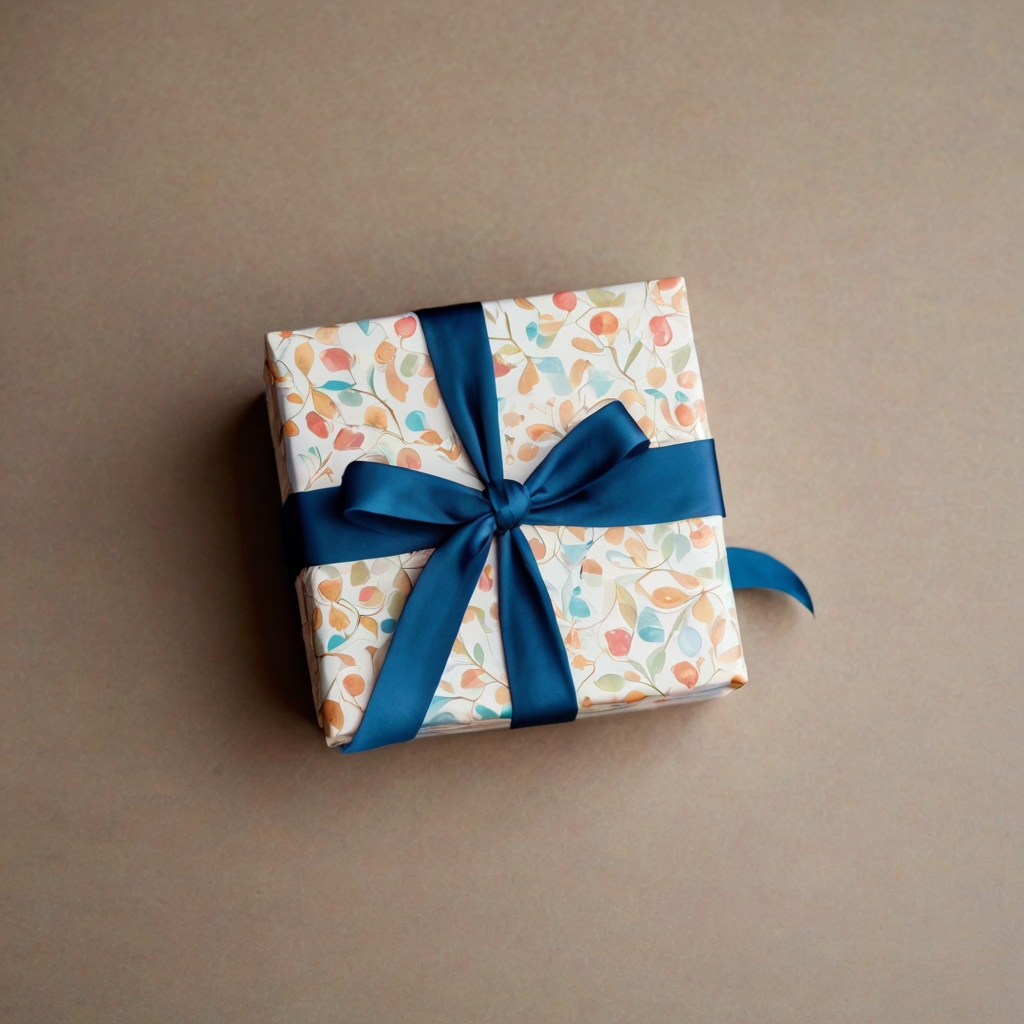
When we think about gifts, we often focus on what’s inside — the cookies, the scorns, the candles and the handmade jam. But how we present those gifts matters just as much. Wrapping isn’t just decoration; it’s a continuation of the story you’re telling. It’s the gentle pause before connection — an act of mindfulness that says, “I cared enough to make this moment beautiful.”

1. Wrapping as an Act of Mindfulness

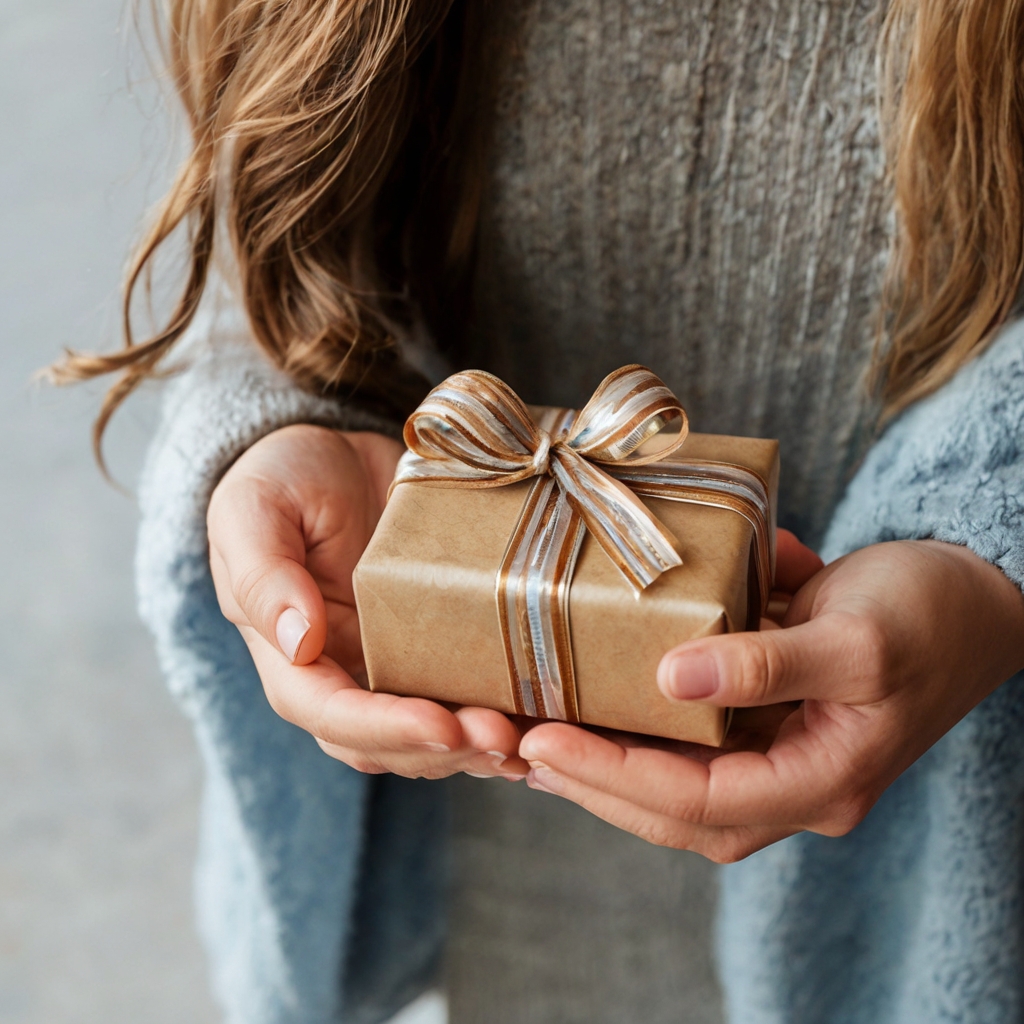
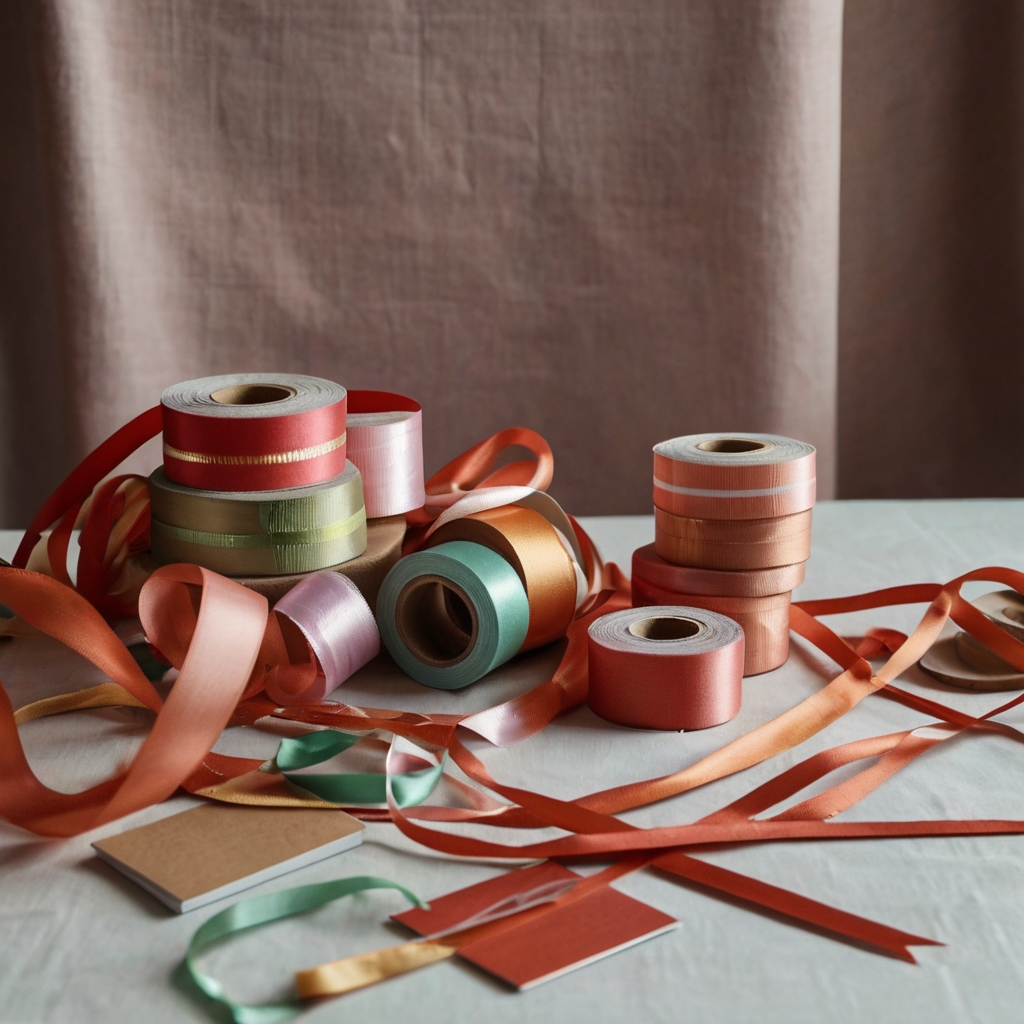
In a world of instant everything, wrapping a gift slowly and intentionally feels like meditation. You fold the wrap paper, taping, tie up with ribbon, adjust, and breathe. Even, when you add small card or letter in the gift these consecutive each motion has meaning. You’re not just covering an object — you’re adding an meaning on gifts.

Think of wrapping as your first conversation with the receiver. Before they even open the gift, they feel something — calmness, curiosity, care. That’s why mindful wrapping isn’t about perfection; it’s about presence.
2. The Psychology of Beautiful Presentation

Research in consumer psychology shows that people perceive wrapped gifts as more valuable and emotionally meaningful — even when they know what’s inside. Why? Because presentation signals effort and intention.

A well-wrapped gift triggers anticipation and gratitude. It tells the receiver, “You matter.” And that small psychological signal makes the emotional impact of giving even stronger.

3. Sustainable and Simple Wrapping Ideas

You don’t need glitter or plastic ribbons to make a gift beautiful. Mindful gifting often means sustainable gifting. Use recycled or reusable materials — brown paper, linen, dried flowers, or simple twine.

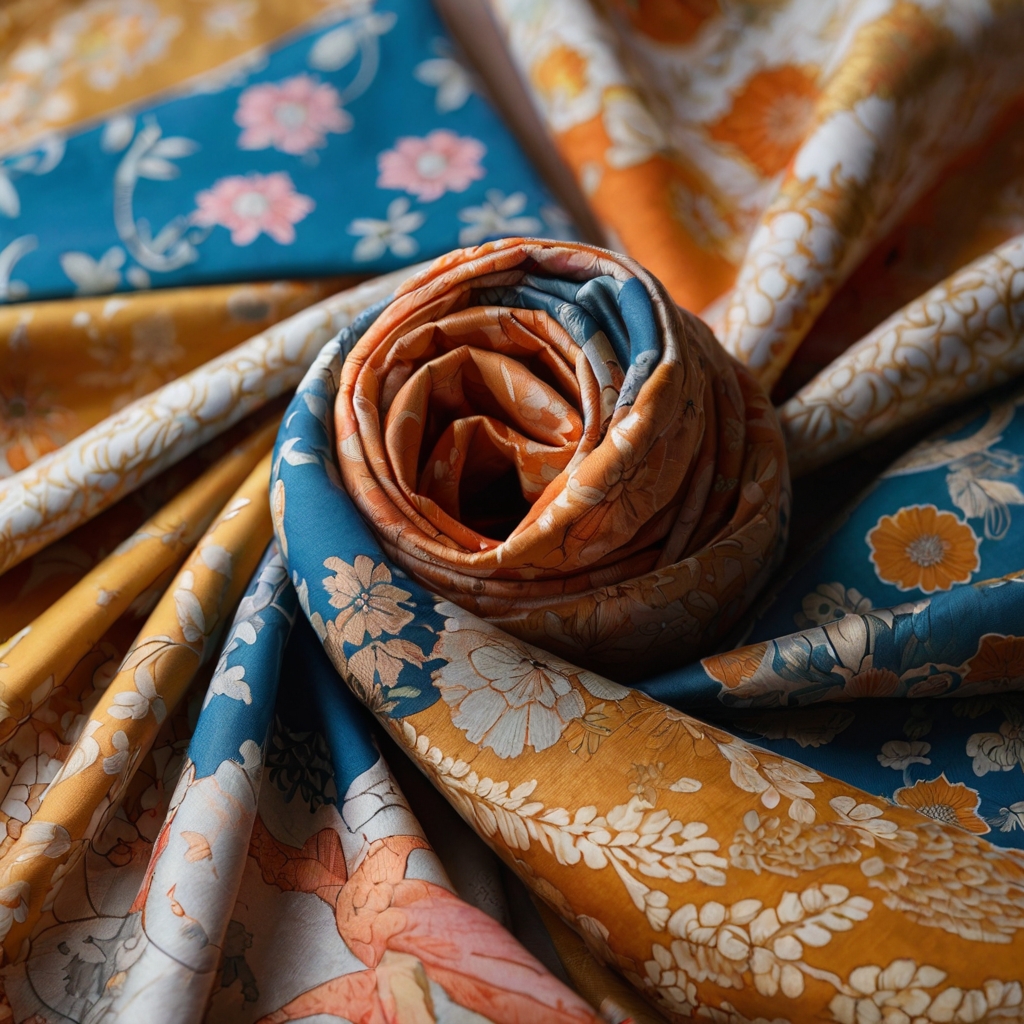
  • Fabric wrapping (furoshiki style): A Japanese-inspired method that transforms wrapping into art.
  • Natural accents: Tie in cinnamon sticks, rosemary sprigs, or a small dried orange slice.
  • Personal notes: Add a short message, even just one sentence — “Made this thinking of you.” It’s far more touching than any expensive tag.

Remember, beauty is in simplicity.
4. The Emotional Layer of Giving

When you wrap mindfully, you extend the emotion of giving. You’re saying:

“This isn’t just an object — it’s an experience I want you to feel.”

Handmade gifts already carry your time and energy. The wrapping becomes the final expression of your intention — a quiet moment that connects your world to someone else’s.

I often notice that when I give a handmade item wrapped carefully — even if it’s in simple paper — people pause before opening it. That pause is precious. It’s the silence where appreciation and emotion live.

5. Wrapping as Self-Reflection

Sometimes, while wrapping, I realize how much I’ve grown. My early gifts were rushed — torn tape, mismatched ribbons. Now I slow down. I choose textures that feel right, colors that align with the mood. It’s no longer just for others; it’s a way for me to express calmness and gratitude.

Mindful wrapping teaches patience. It reminds us that beauty lies in details, in care, in quiet focus. It’s another form of meditation — a tactile, creative one that keeps us grounded in the present moment.
mindful gifting

🌿 Final Thoughts

A gift is not only what’s inside. It’s also how it’s given. When you wrap something with mindfulness, you turn an ordinary exchange into a shared moment of calm and connection.

So next time you give a handmade cookie, candle, or knitted coaster, don’t rush the wrapping. Choose your materials slowly, breathe, and remember — presentation isn’t perfection. It’s intention.

Because sometimes, the most beautiful part of a gift is the care you can’t see but can feel.
The Psychology of Gifting: Why Giving Handmade Gifts Feels So Good

Psychology of Gifting

We often think of gifts as objects — something to wrap, exchange, and forget. But if you’ve ever made something with your own hands and given it to someone, you know it’s more than that. The real psychology of gifting isn’t about the object at all; it’s about the emotion behind it — the quiet joy of creating something meaningful and watching someone’s eyes light up.

Psychology of Gifting

1. The Joy of Giving

Modern psychology calls it the giver’s high — the happiness that comes from generosity. When we give, our brains release oxytocin and dopamine, creating a sense of connection and calm. It’s the same feeling we get from meditation or mindfulness: being fully present in a moment that matters.

Unlike store-bought gifts, handmade ones carry something invisible — time. Every stitch, brushstroke, or drop of wax holds a trace of the maker’s care. Giving something you’ve made is like saying, “Here’s a piece of my day, of my heart, just for you.”

2. Handmade Gifts and Authentic Emotion

There’s something deeply human about imperfection. A slightly uneven cookie, a candle with tiny bubbles, a coaster that curls at the edges — all of them tell a story. In a world that praises flawless mass production, handmade gifts remind us that sincerity matters more than perfection.

Creating something with your hands activates parts of the brain related to satisfaction and emotional regulation. You slow down, pay attention, and feel grounded. That’s why handmade gifts don’t just make others happy — they make you mindful, too.

3. Giving as Mindfulness

When you make something for someone, you think about them: their favorite color, the scent they love, what might make them smile. That process itself becomes a quiet meditation. You’re not just producing an item — you’re practicing empathy, presence, and love.

This is what I call mindful gifting. It’s less about impressing and more about connecting. It’s not transactional; it’s emotional. And when you hand it over — without expecting anything in return — you feel a calm sense of fulfillment that lasts much longer than a “thank you.”

4. The Emotional Connection It Builds

A gift is never just a gift. It’s a bridge. When someone receives something handmade, they feel seen — not for what they have, but for who they are. That’s what strengthens relationships: not the value of the object, but the intention woven into it.

Over time, you realize that the act of giving changes you, too. It expands your empathy. It softens your edges. You become more attuned to the small, beautiful details of others’ lives — the way they smile when unwrapping a jar of homemade jam, or how they carefully light the candle you made.

Psychology of Gifting

5. The Quiet Power of Creating to Give

There’s no need for perfection or praise. The joy lies in the making, the wrapping, and the gentle offering of something you’ve touched. Handmade gifts remind us that we don’t need to change the world — sometimes it’s enough to brighten one person’s day.

When we give, we heal a little too. The psychology of gifting isn’t about generosity alone; it’s about belonging, gratitude, and the simple truth that joy multiplies when shared.

So next time you make something — a cookie, a candle, a knitted square — remember: you’re not just crafting an object. You’re creating a connection.

5 Easy Homemade Gifts You Can Make in One Afternoon

DIY presents

In today’s fast-paced world, it’s easy to click “buy now.”
As you know, a homemade gift is powerful — it shows your heart, your time, and your intention to the people you love. By creating it, you will have a deeper emotional connection than store-bought gifts. Handmade gifts activate a sense of closeness, gratitude, and shared humanity — something we crave even more in a world of speed, convenience, and one-click shopping.


But easy homemade gifts carry something different — time, care, and genuine thought. You don’t need days of preparation to make something meaningful. With just one free afternoon, you can turn ordinary ingredients into mindful gifting — presents made with intention, not pressure.

1. Homemade Cookies 🍪

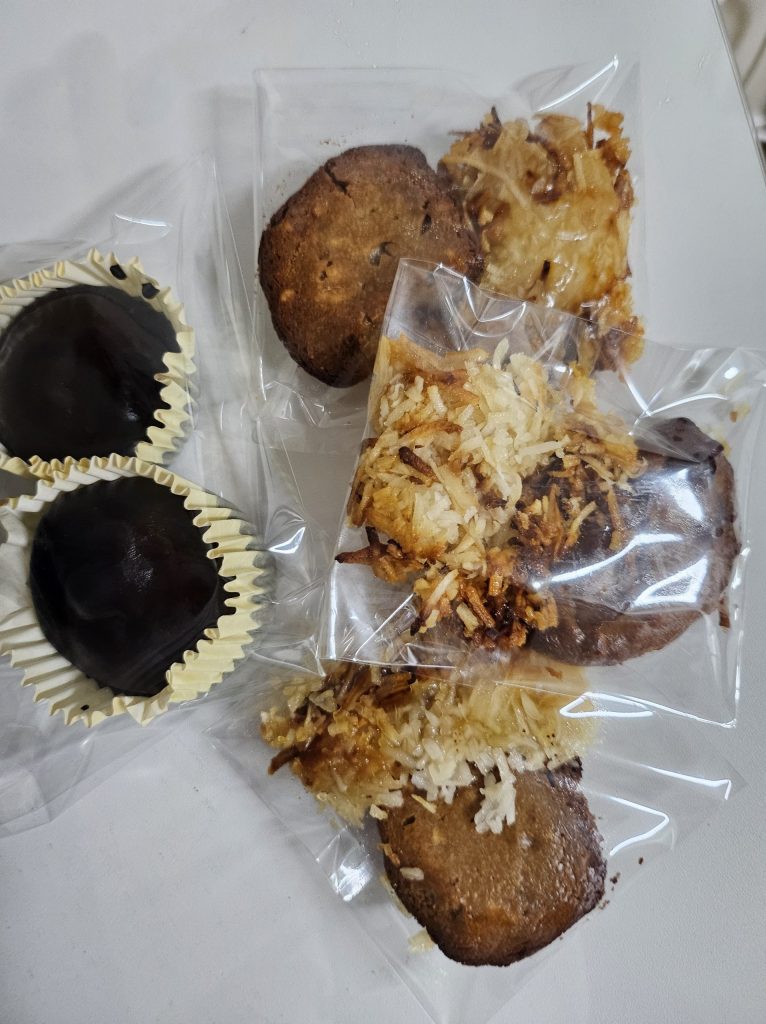
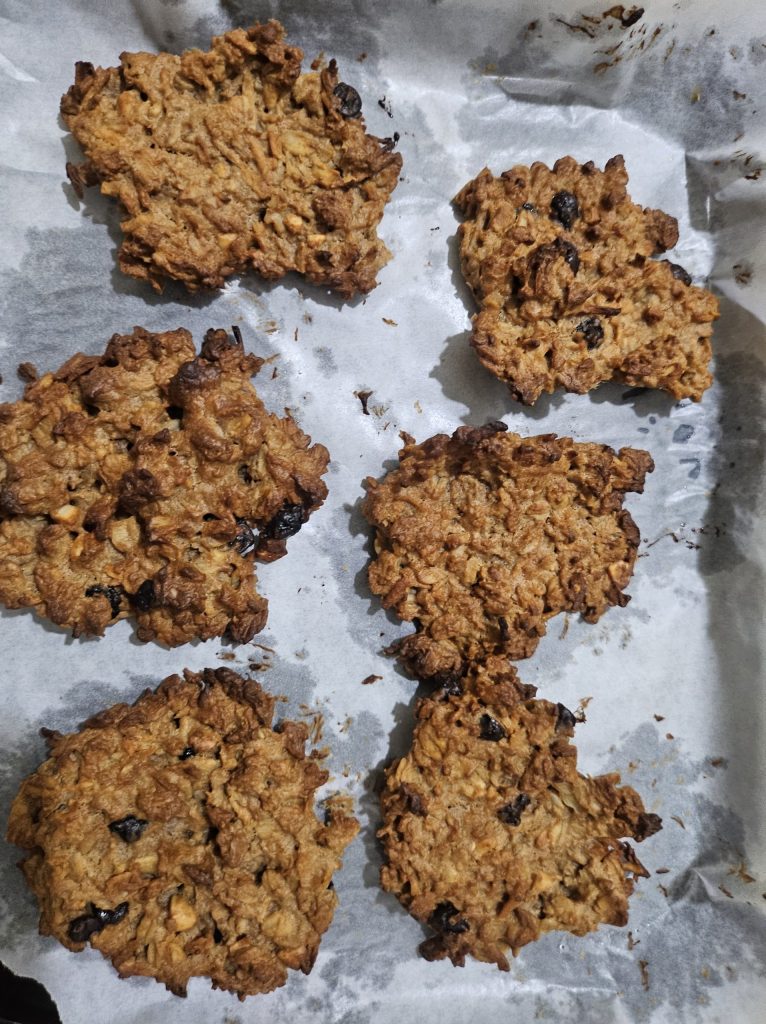
Homemade cookies are surprisingly easy to make — even for beginners. You don’t need fancy tools or expensive ingredients; just 2–3 hours and a simple recipe from YouTube will do. I once bought 10kg of sweet potatoes and couldn’t finish them, so I turned them into sweet potato cookies and shared them with friends. They loved how healthy and filling they were!

That’s the beauty of DIY presents: you can adjust them to match someone’s taste. Add extra nuts or chocolate for a friend with a sweet tooth, or reduce sugar for someone on a diet. Even if the cookies look imperfect — cracked, uneven, or a little burnt — people appreciate the personal touch. It’s not about perfection; it’s about warmth.

2. Homemade Jam 🍓

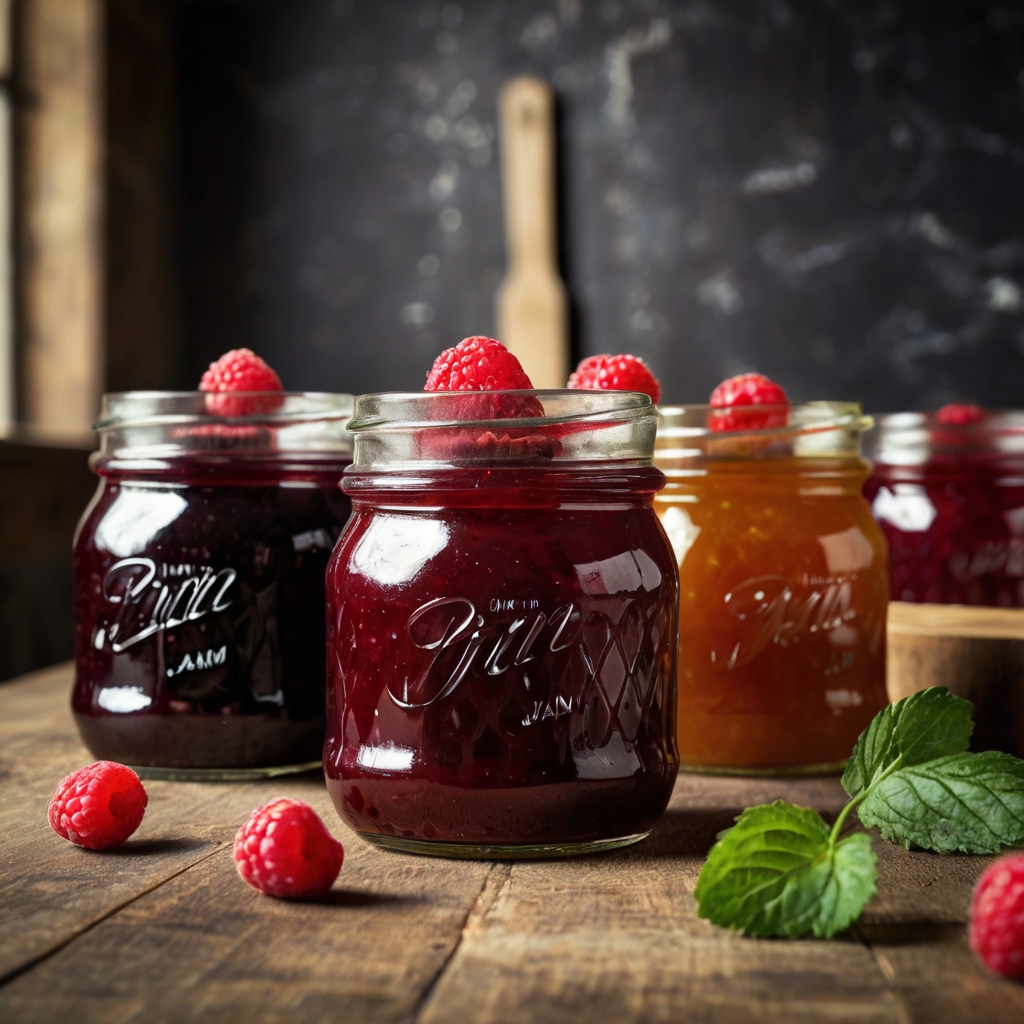
Making jam is one of the easiest and most satisfying easy homemade gifts. All you need is fruit, sugar, and time to let it simmer. Pour it into small jars and decorate with labels or ribbons. Homemade jams look rustic and charming — and because they lack preservatives, they feel more natural and real.

Just remember to sterilize your jars properly to avoid mold. I find small jars more practical for sharing, and they let you experiment with unique flavors — fig, orange, or even mulberry jam that you can’t find in stores. A thoughtful jam feels like a hug in a jar.

3. Scented Candles with Essential Oils 🕯️

Candles are another mindful gifting favorite. You can make them in glass jars using soy or beeswax, adding essential oils like lavender, bergamot, or ylang-ylang for relaxation. The process itself feels meditative — melting, pouring, decorating.

If you’re feeling creative, you can decorate your candle tops with dried flowers or shells. Just make sure to choose the right wick size so the candle burns evenly. The charm of a handmade candle is not just in how it looks but in the fact that you know exactly what goes inside — clean, natural, and intentional.

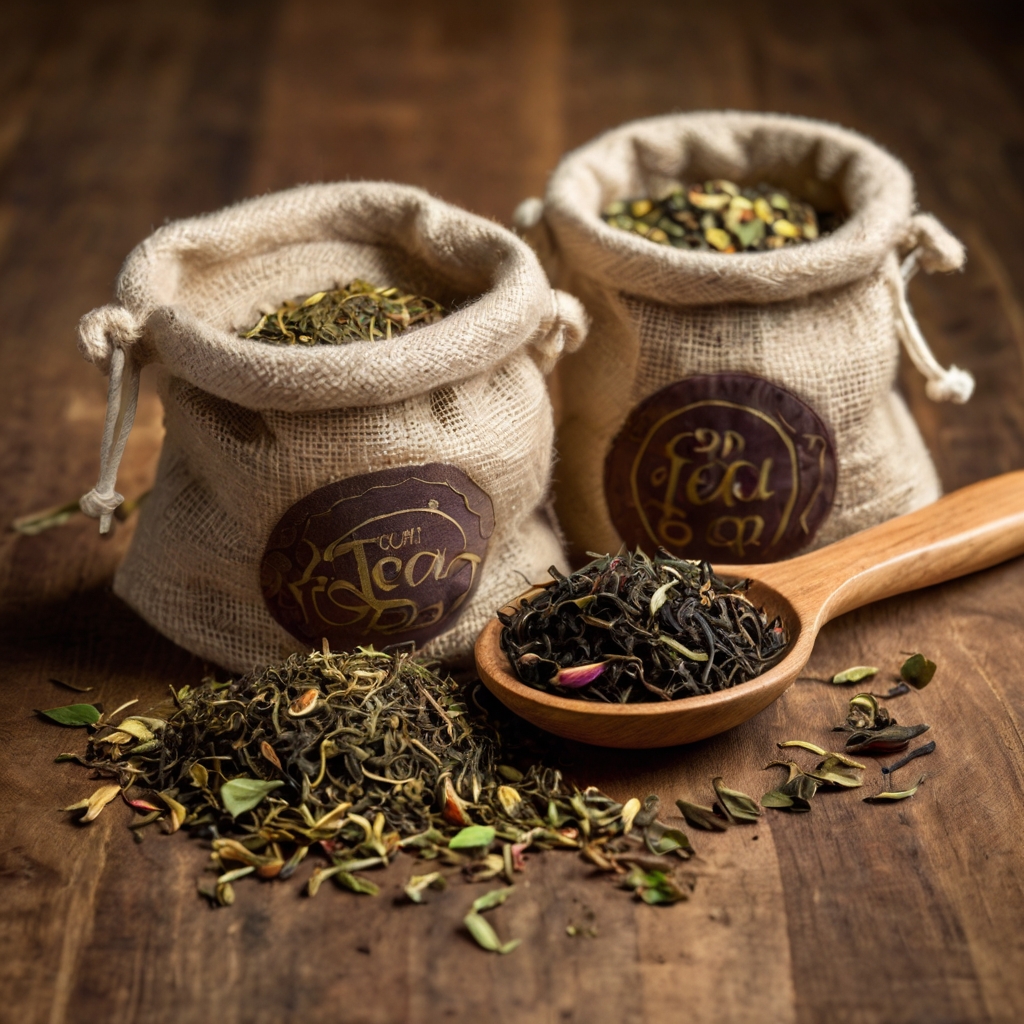
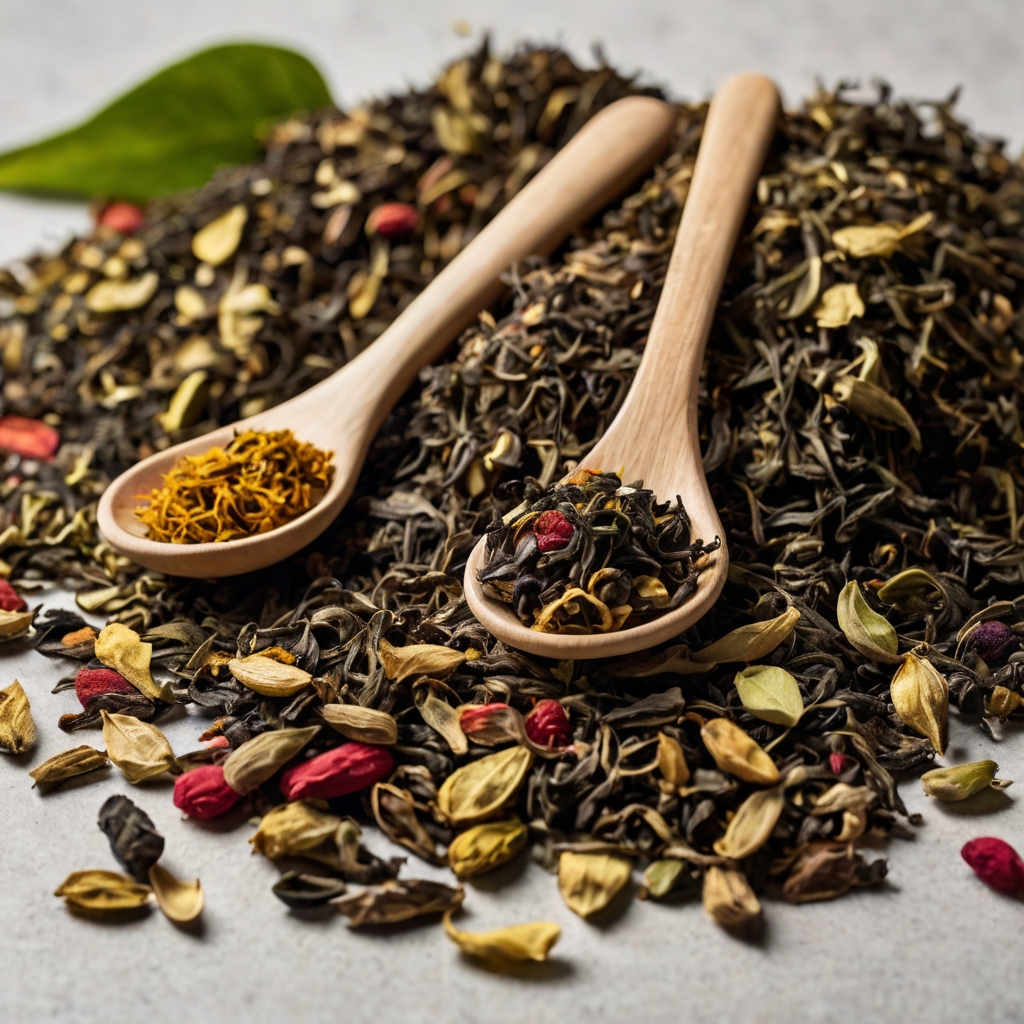
4. Herbal Tea Blends 🍵

Tea blending is an underrated art — and an incredibly easy homemade gift. If you know your friend’s habits (for example, avoiding caffeine or loving floral scents), you can tailor the blend perfectly. Mix chamomile with peppermint for relaxation, or rooibos with dried fruit for a caffeine-free treat.

Even if you’re not experienced, there are tons of online guides to help with ratios. You can buy herbs from local markets or even dry your own fruit slices at home. When you share your blend, you’re not just giving tea — you’re sharing calmness.

5. Knitted Coasters or Upcycled Crafts 🧶

If you’ve followed my knitting posts, you know how much I value mindful making. Small knitting or crochet projects like coasters or dishcloths make perfect gifts. They’re quick, practical, and carry your touch in every stitch.

And if knitting isn’t your thing, try upcycling! Old jeans, shirts, or fabric scraps can easily become coasters or cup holders. Turning something old into something useful gives it new life — a sustainable, heartfelt DIY present.

The Meaning Behind Handmade Gifts

Homemade gifts don’t have to be perfect. What matters is the story behind them — the thought, the small gestures, and the joy of sharing something you made yourself. Even a cracked cookie or uneven candle holds more sincerity than any store-bought gift ever could.

I’ve learned that mindful gifting is not just about giving — it’s about connection. When I share something handmade, people remember it. Sometimes they treat me to lunch later, sometimes they just smile a little warmer. It’s not about the cost; it’s about care.

So next time you have a free afternoon, don’t just scroll through your phone — make something. Whether it’s cookies, candles, or coasters, you’re not only creating gifts, but also memories.