Every knitter knows the sinking feeling of spotting a dropped stitch—the one that slipped off the needle and threatens to unravel everything you’ve built. I used to panic when I saw it. It felt like failure, like I wasn’t careful enough. But over time, mindful knitting helped me realize that those little mistakes weren’t failures at all—they were quiet teachers about life itself.
Lesson 1: Patience
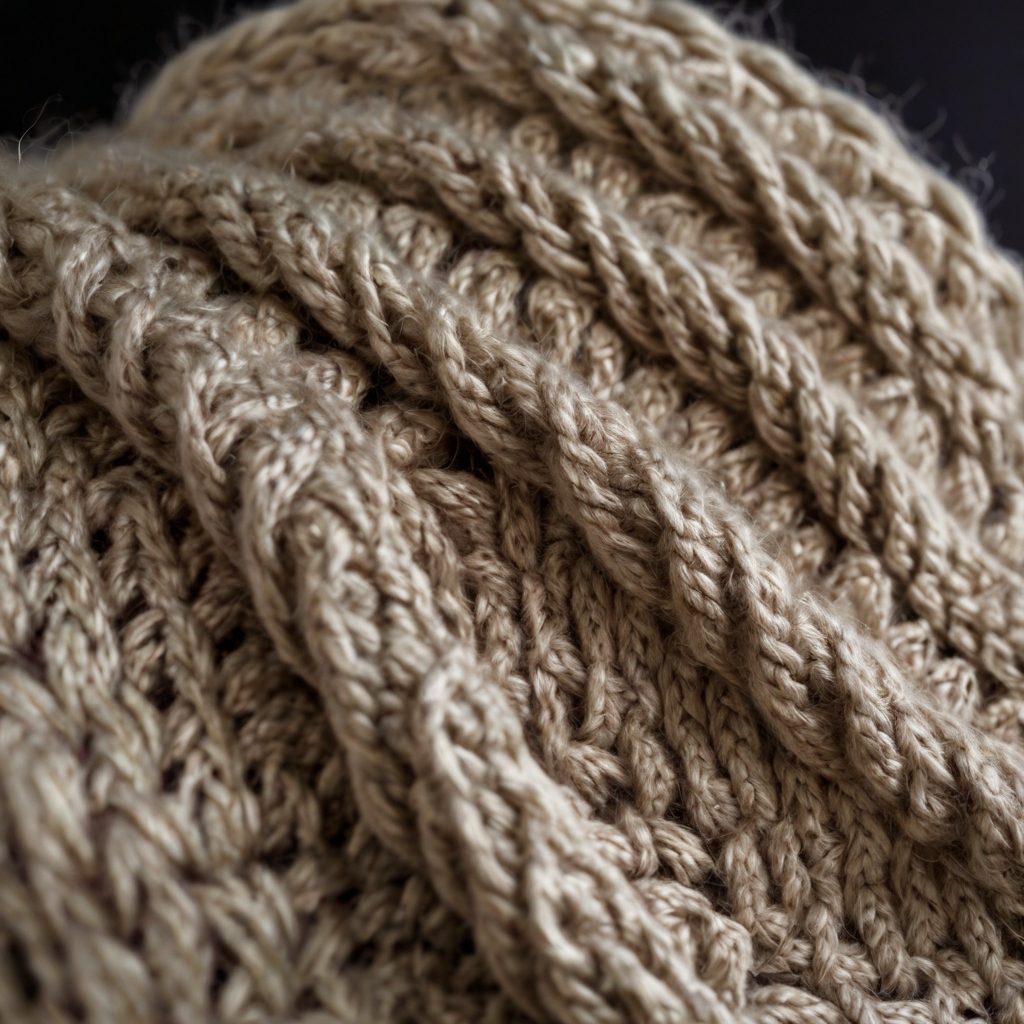
When you drop a stitch, there’s no shortcut to fixing it. You have to pause, breathe, and carefully trace your steps backward. Sometimes it means unraveling hours of work. At first, I hated that.
And honestly, sometimes I still do. When I lose a stitch, I get frustrated and feel like giving up. I’ve done that many times—working with excitement, enjoying the rhythm, only to realize I made a mistake that ruined the pattern. Suddenly, my motivation disappears, and I just want to quit.
But mindful knitting taught me something different—it’s okay to stop. You can always come back later. Once, I didn’t touch my project for an entire year. Then, one day, I picked it up again, fixed the mistake, and finished it easily.
That experience taught me something deeper—not just about knitting, but about mindfulness and knitting together. I tend to start many things but not always finish them. Still, returning to that half-done project a year later showed me something beautiful: it’s okay to pause. The “past me” began it, the “present me” continued it, and the “future me” completed it.
Knitting life lessons like this one remind me that even if I stop for a while, it doesn’t mean I failed—it just means I’m allowing time and patience to do their quiet work.
Lesson 2: Acceptance
Even if it’s not perfect, the process itself holds meaning. My time, my hands, my effort—none of that disappears. A handmade piece might not be as flawless or polished as something store-bought, but its uneven stitches and little quirks carry warmth and love.
That’s what mindful knitting is all about: learning to embrace imperfection. In the past, whenever a project didn’t get recognition or success, I thought it was meaningless and left it out of my portfolio. But now I see how wrong I was. Even unseen work shaped me—it made me stronger and showed me which paths weren’t mine to take.
Knitting is just like that. You start to build your own “know-how.” You learn which yarns work better, which needles feel right, and how to adjust tension. Every imperfect attempt adds to your quiet wisdom and deepens your practice of patience in knitting.
Lesson 3: Starting Over
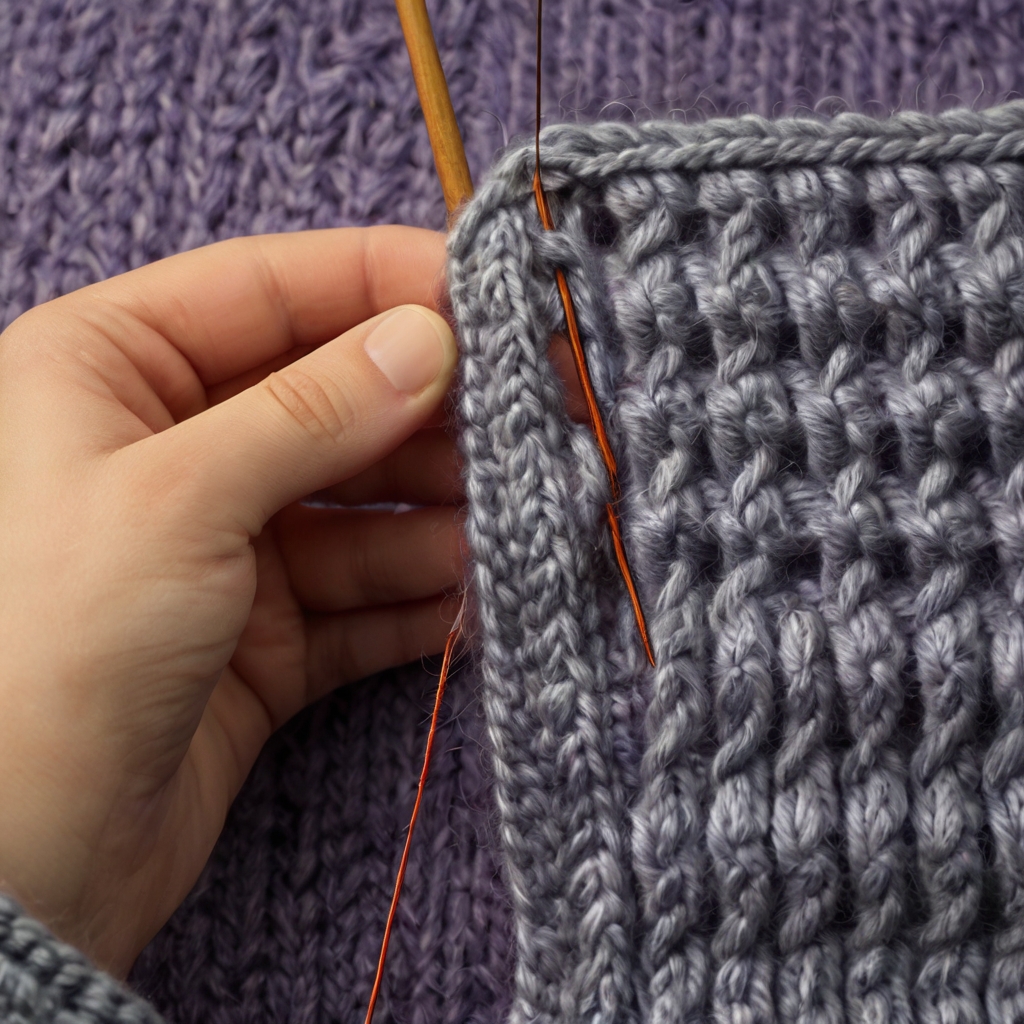
Yes, sometimes a missing stitch doesn’t seem like a big deal—until later, when the shape twists, the pattern misaligns, and the design doesn’t look right anymore. I used to think, “That’s in the past,” and just kept going. But when I looked at the finished piece, I always felt regret.
Now I know better. Mindful knitting showed me that quality comes from paying attention to each stitch. Knitting slowly, one loop at a time, helps you stay present—not just to create something beautiful, but to create something with intention.
Work is the same way. If I don’t do what needs to be done today, I’ll eventually have to come back and fix it later. So I try to stay focused, to do it right the first time. That’s another quiet lesson that mindfulness and knitting teach so well.
Mindfulness Connection
Knitting reminds me that life is stitched one day at a time. You can’t rush the process. Each loop, each row, requires care and focus. A dropped stitch doesn’t ruin the whole fabric—it’s simply a small reminder to return to the present moment.
Practicing mindful knitting turns ordinary moments into meditation. When we lose focus, we can always come back. That’s the beauty of both knitting and living: every moment offers a new beginning.
Conclusion
Knitting isn’t just about scarves or sweaters—it’s about patience, presence, and persistence. Creating something slowly with your own hands mirrors the way we build our lives.
Even mistakes can become mindful teachers if we’re willing to listen. The next time you drop a stitch, don’t curse it. Smile, take a breath, and remember—this, too, is part of your pattern.
If you want to start knitting, check my post Knitting for Beginners: How to Start Without Feeling Overwhelmed.