Gentle Winter Movement for Mind and Body

Gentle Winter Movement

When the air turns cold, everything seems to slow down — the streets quiet, the sunlight softens, and even our bodies crave stillness. But movement doesn’t always have to mean intensity or sweat. Gentle winter movement is a quiet reminder that wellness isn’t about speed or power — it’s about presence. It’s an invitation to listen to your body and move in ways that honor how you truly feel.

In the colder months, our bodies naturally seek warmth and protection. Muscles tighten, energy dips, and motivation can fade with the sunlight. That’s when mindful exercise becomes more meaningful. Instead of chasing performance, we can choose movement that nurtures — slow stretching near a window where the morning light spills in, a few moments of breathing before the day begins, or a calm walk wrapped in layers, feeling the air brush against your face. These small actions aren’t workouts; they’re daily acts of awareness — ways to whisper to your body, “I’m still here with you.”

As you move, notice how your body responds. The gentle awakening of muscles, the rhythm of your breath, the sound of leaves crunching beneath your shoes — these sensations remind you that motion can be meditative. This is slow living in motion: savoring the pause between breaths, feeling warmth bloom from the inside out, and understanding that balance matters more than endurance. Even a five-minute mindful stretch can shift your energy from sluggish to alive.

When I walk in winter, I let go of goals. I don’t count steps or measure progress. I walk to feel life moving through me — to watch my breath in the frosty air, to listen to the subtle symphony of winter: the wind brushing branches, the steady rhythm of my footsteps, the faint hum of distant life. Some days I listen to soft music that flows like snow; other days I walk in silence, letting my thoughts drift and settle. Both are part of my winter wellness — ways of grounding myself in the moment.

Gentle movement doesn’t sculpt your body overnight, but it reshapes the way you relate to it. You begin to respect your own rhythm — the rise and fall of your energy, the quiet need for rest, the way your body asks for care rather than control. This kind of awareness is its own strength. It teaches you that recovery isn’t the absence of progress — it’s the foundation of it.

So when you feel unmotivated or heavy in winter’s quiet rhythm, don’t wait for energy to appear — create it through small, intentional motion. Wrap yourself in warmth, sip something soothing, and let your body guide you. Step outside for a few slow breaths, or stretch by the heater and feel your muscles lengthen. These are the gentle rituals that build resilience — the essence of winter wellness and slow living.

Remember: wellness isn’t about how much you move, but how fully you inhabit each moment of movement.
Even in the coldest season, there’s life in every breath, warmth in every stretch, and peace in every step.
When you move gently, you remind yourself that you are not stuck — you’re simply flowing with winter’s slower, softer rhythm.

If you are low energy or want to be energetic in winter time, here is the posting that you can read more ” 5 Mindful winter habits to lift your energy” or “Warm drink for winter”
Mindful Knitting Meditation: Finding Balance Through Each Stitch

balance with knitting

Recently, I mentioned that knitting is a good method for meditationhow to start knitting and the benefits it brings. Today, I want to focus more on my personal impression of knitting, and how this simple act has become a quiet form of mindfulness in my daily life.

Finding Balance with knitting.

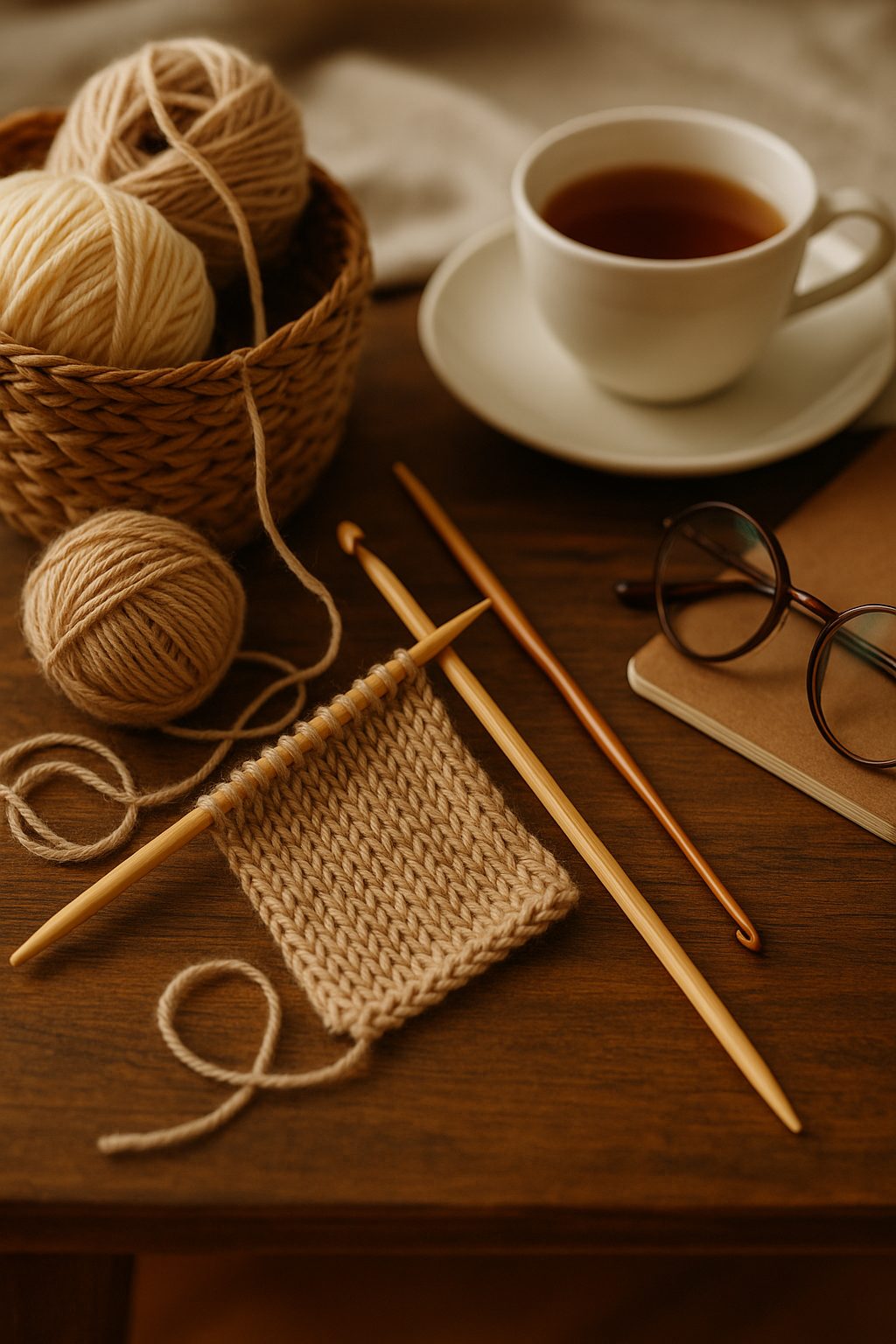
Knitting has always been more than a craft for me—it’s a quiet form of mindful knitting meditation, a way to reconnect with myself through rhythm and touch. Each stitch feels like a small breath, a reminder to slow down and stay present. As the yarn loops through my fingers, I’m reminded that mindfulness doesn’t just happen in stillness; it can live in the gentle repetition of something creative. In many ways, this is my favorite form of self care through knitting.

Over time, I’ve realized that knitting carries its own lessons about balance. It’s not only about making beautiful patterns or finishing a project—it’s about how we approach the process itself. Sometimes, when the previous row is a little too tight or my mind feels cluttered, I start pulling the yarn with unnecessary tension. My stitches get smaller, my shoulders rise, and suddenly I’m no longer relaxed. Other times, when I’m too loose or distracted, the stitches become uneven, and the fabric loses its shape. It’s a simple yet profound reflection of life: when we push too hard, things become strained; when we let go too much, structure disappears. The balance lies somewhere in between—true knitting for mindfulness and balance.

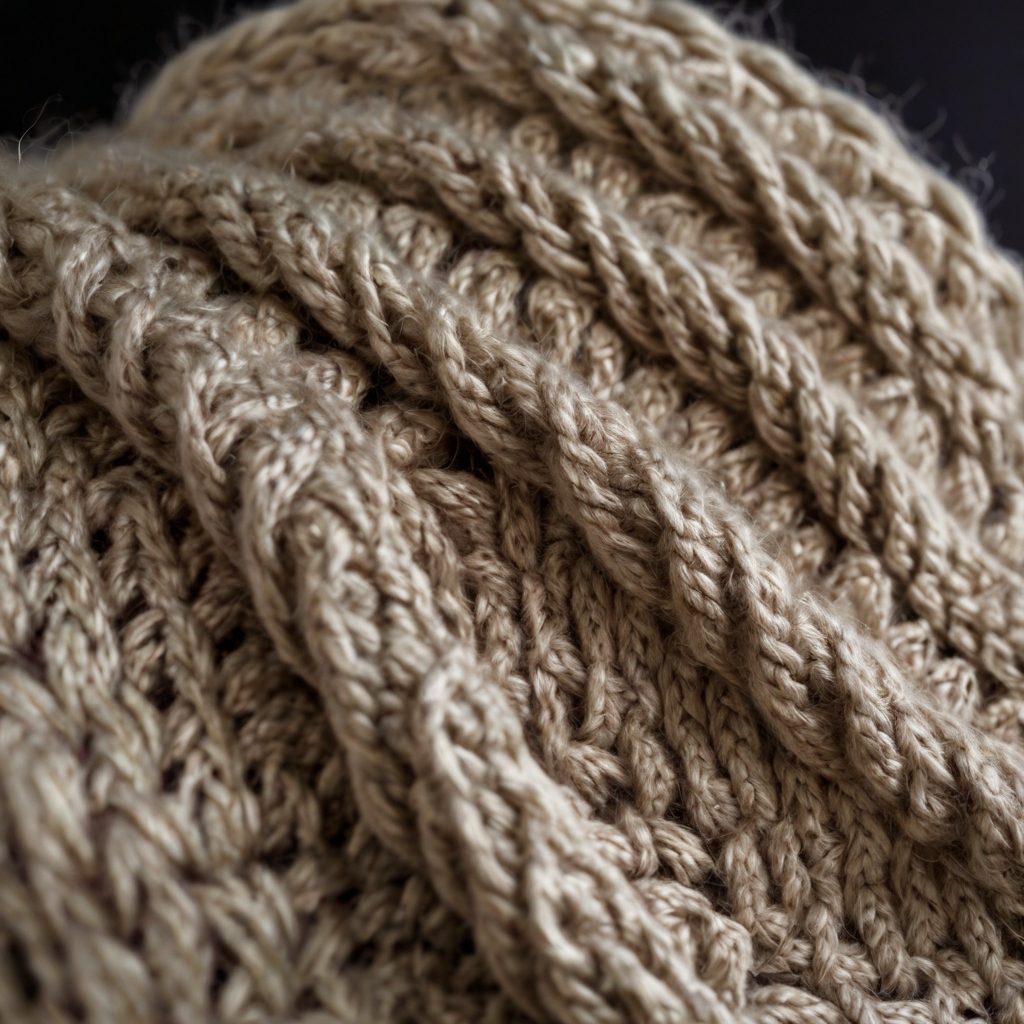
In knitting, every movement tells a story of your state of mind. A row of even stitches reveals calm focus, while a section that’s a little irregular might hint at moments of impatience or worry. Yet that’s the beauty of it—each imperfection becomes part of the whole piece, a quiet record of your mood and presence. Just like life, knitting doesn’t have to be flawless to be meaningful. This practice feels deeply aligned with the philosophy of a slow living craft, where every motion is deliberate and filled with awareness.

When I notice myself rushing through a row, I take a breath, loosen my hands, and remind myself that this isn’t a race. If I tug too tightly, I’ll have to fix it later; if I’m too careless, I’ll have to unravel and start again. It’s humbling but also grounding. Each stitch holds a choice—to proceed with awareness or slip back into distraction. In that way, knitting mindfulness practice becomes a quiet teacher of patience, rhythm, and acceptance.

Sometimes, when I finish a piece and look back, I can trace the emotional map of those days in its texture—the rows I made while feeling peaceful, and the ones born out of stress or fatigue. It reminds me that growth doesn’t happen in perfection but in persistence. Each uneven line is proof that I kept going, that I showed up for myself even when my mind wandered. And in that way, knitting becomes not just a craft, but a gentle record of living with mindfulness and balance—one thoughtful loop at a time.

Tips for knitting posture on the Go Without the Aches

knitting

But here’s the catch: knitting, especially in tight or awkward spaces, can sneakily turn into a source of tension. I started noticing that after a few rides, my shoulders felt tight, my wrists ached slightly, and my fingers were stiffer than usual. It’s ironic, isn’t it? You pick up knitting to relax, yet you end up feeling sore if you’re not paying attention to your body.

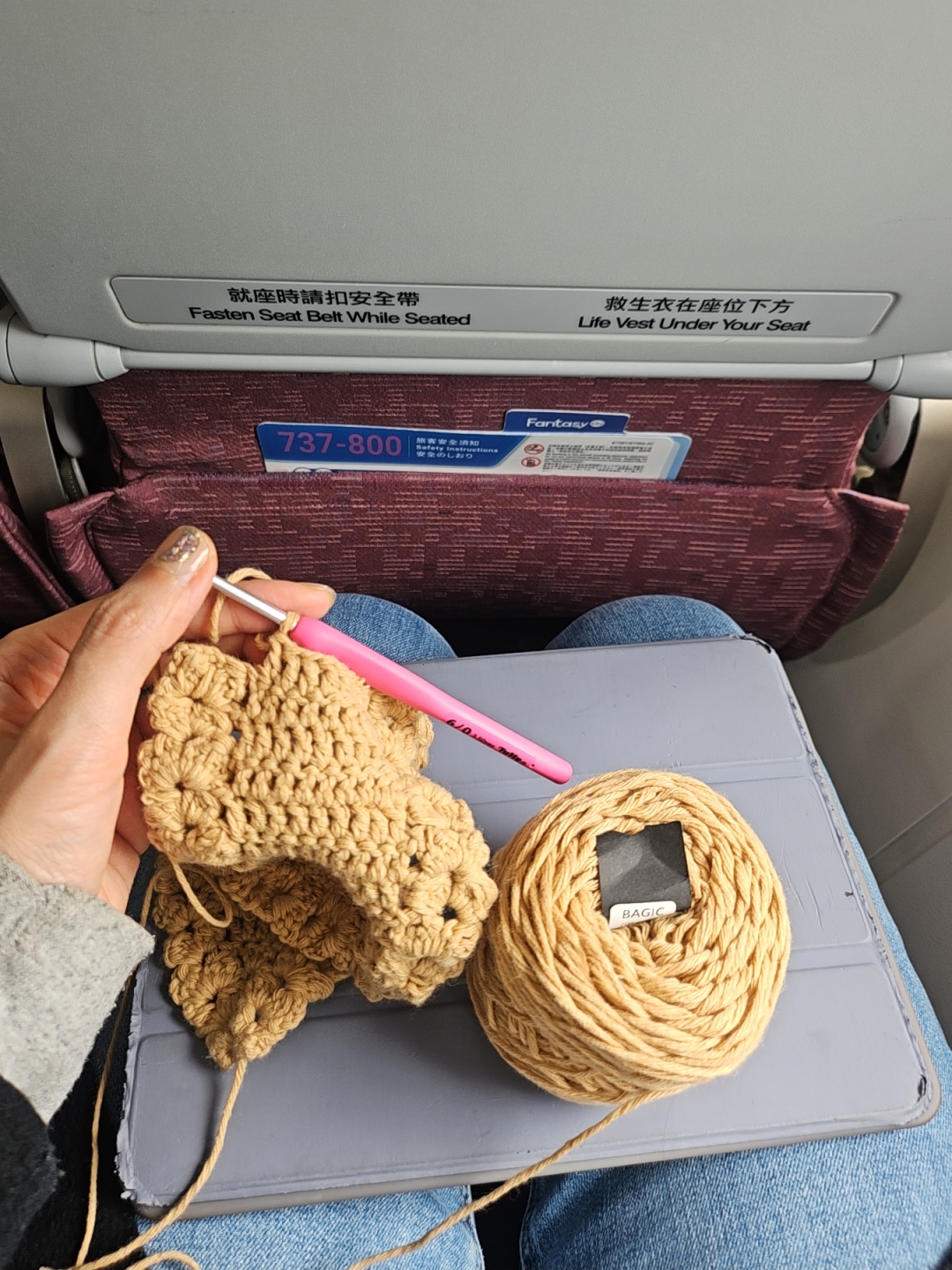
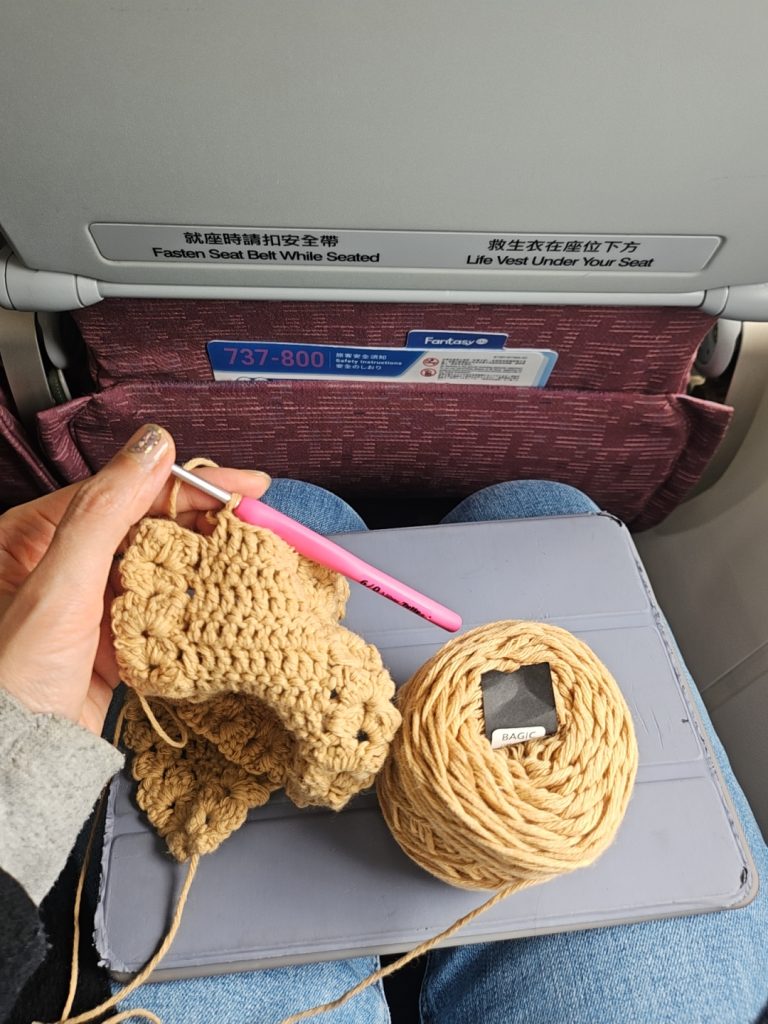
Knitting on the subway has become one of my favorite small rituals lately. It turns otherwise wasted commuting time into something calming, creative, and mindful. Instead of scrolling endlessly on my phone, I find myself counting stitches, watching the yarn flow between my fingers, and letting my mind settle into a quiet rhythm. In those moments, even the rumble of the train feels like background music to a meditative practice.

That’s when I realized mindfulness in knitting isn’t only about the flow of yarn—it’s also about body awareness. The way we sit, breathe, and hold our tools matters just as much as the pattern we’re following.

If you enjoy knitting on the go, here are a few gentle reminders to make your experience both creative and comfortable:

1. Relax your shoulders.
While seated, try leaning back against the chair or subway seat and consciously let your shoulders drop away from your ears. Most of us unconsciously hunch forward, especially when focused on small tasks. By letting your shoulders fall naturally, you prevent upper-body tension before it builds up.

2. Keep your elbows close to your body.
Holding your arms up for long periods can strain your shoulders and neck. Instead, let your elbows rest lightly near your sides. You’ll notice that your movements become smaller, smoother, and less tiring over time.

3. Loosen your grip.
It’s easy to clutch your needles or yarn too tightly when you’re concentrating or working on a tricky row. If you feel your fingers tightening, take a slow breath, pause, and consciously loosen your hold. A relaxed grip not only helps prevent stiffness but also gives your stitches a softer, more even texture.

4. Take micro-breaks.
Every few stops or rows, set your needles down, roll your wrists, and gently stretch your fingers. These small pauses help release tension and bring your focus back to the present moment—exactly what mindfulness is about.

knitting

5. Choose lighter tools.
If you’re knitting on the move, consider shorter circular needles or lightweight yarns. They’re easier to manage in tight spaces and reduce strain on your hands.

Knitting is more than a hobby—it’s a moving meditation, a conversation between your hands and your mind. When you practice awareness through posture and breath, you transform a daily commute into an act of gentle self-care. After all, mindfulness isn’t about adding another task to your day; it’s about bringing calm intention to the ones you already have.

So next time you pull out your knitting needles on the train, remember: relax, breathe, and let the rhythm of your stitches match the heartbeat of the city around you.

5 Mindful Winter Habits to Lift Your Energy

Maybe it feels a little early to talk about winter now, but once the weather cools and the sunlight grows shorter, it becomes the right time to think about how to protect our energy for the season ahead. Some animals hibernate for survival — they slow down on purpose. Humans don’t hibernate, but we do insulate ourselves with heaters and extra layers, appearing as if we are doing fine in harsh weather. In reality, not everyone manages winter well — including me.

As I mentioned in my last post, I experience a kind of winter depression. On the outside I look fine, but internally I feel tired, empty, and withdrawn. The worst part is that I tend to give up on my plans and goals. So I’ve been learning how to take care of myself and how not to let the weather dictate my state of mind.

Winter often slows everything down — sunlight fades early, mornings feel heavier, and even simple tasks start to feel like effort. Instead of fighting this rhythm, what if we learned to flow with it? Here are five mindful winter habits that can gently lift your energy and restore your calm.

  1. Morning Light Rituals
    Open your curtains as soon as you wake up. Even ten minutes of sunlight signals your body to wake fully and boosts serotonin. If natural light is scarce, try a small light therapy lamp — it genuinely helps your mood and gives your body a sense of positive alertness.
  2. Warm Drinks, Slow Moments
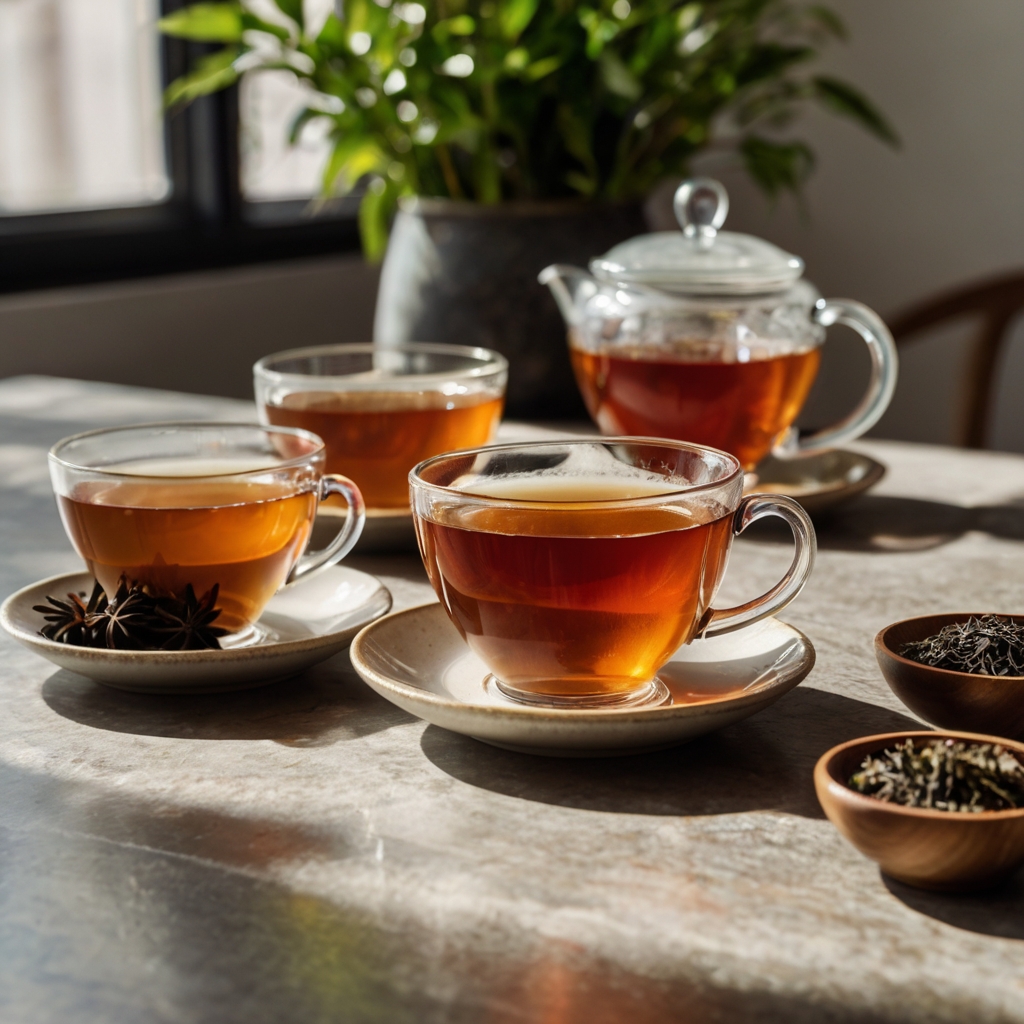
    Start your day with tea or warm lemon water. Feel the warmth in your hands and notice how your body responds. This small ritual grounds you before you touch your phone or read the news. Yes — making tea can feel like extra work, especially walking into a cold kitchen and turning on the gas, but once the water boils and warm steam fills the air, it already changes the atmosphere. I used to use the stove, but now I use an electric kettle — it’s more convenient in cold weather. This simple act helps your day begin warm and calm. Plus, warm water is known to support circulation.
  3. Gentle Movement
    You don’t need an intense workout — even a ten-minute stretch or a slow mindful walk is enough. Gentle movement helps you shake off stagnant winter energy and clear your thoughts. When you move your body, your blood circulates more efficiently, which naturally raises your body temperature and helps you feel more awake.
  4. Cozy Corners
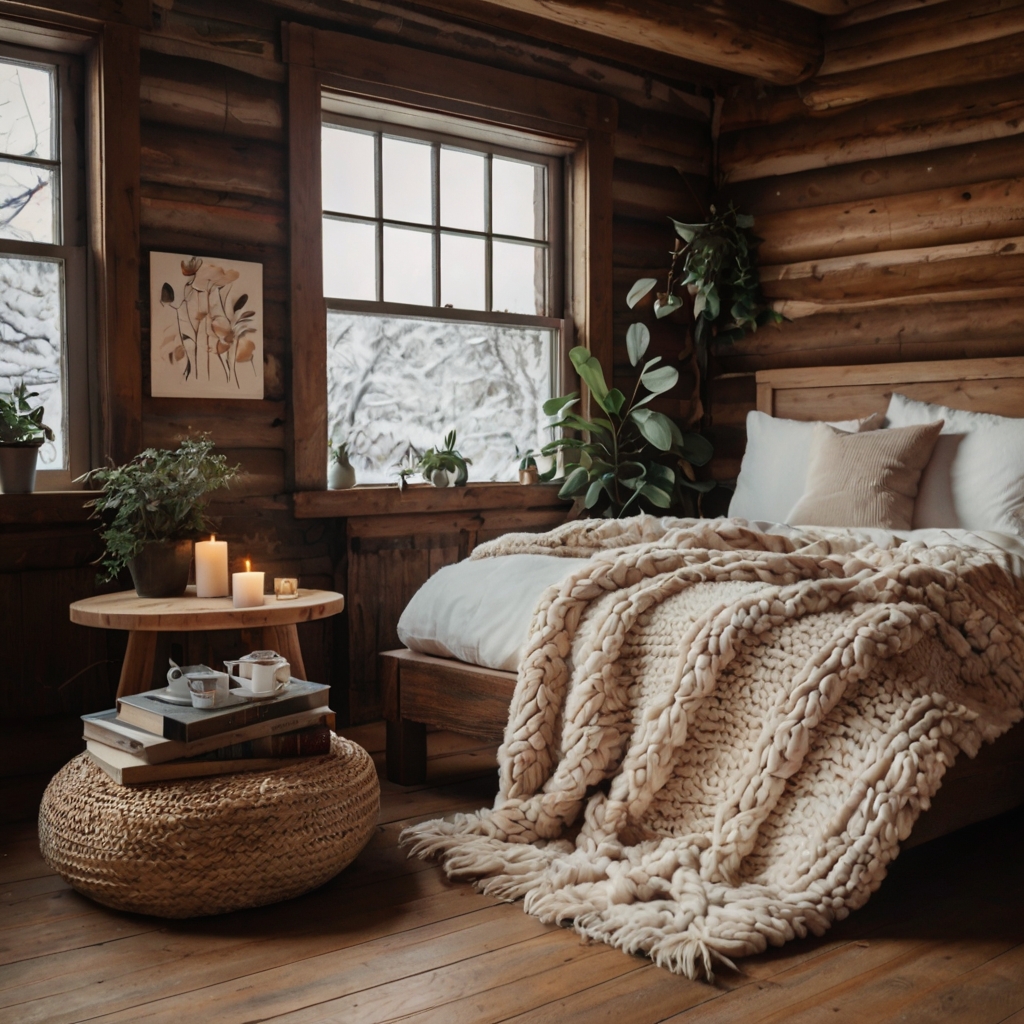
    Create a small warm space just for yourself — add a blanket, soft lighting, and maybe your favorite book or knitting project. Let it be your tiny sanctuary from the cold world outside. Personally, I made one on my bed with an electric blanket. The only downside is that it gets too cozy and makes me lazy.

    So I made another “cozy spot” at my desk. I wear warm slippers so the cold floor doesn’t drain my heat, keep a soft blanket on my chair, and place a teapot and a thermos within reach. When I feel really cold, I also use a hot-water bottle. Even though it’s just warm water inside a rubber pouch, it holds heat for a long time and keeps me warm enough to stay focused on what I need to do.
  5. Reflect, Don’t Rush
    Winter invites stillness. Instead of filling every hour with tasks, allow quiet moments to sit with your thoughts. Write down just one thing you’re grateful for each day. You don’t need a special notebook — a simple memo app or regular notepad is enough. (Though I later discovered there are dedicated gratitude journals, if you prefer something structured.) This small act can gently shift your focus from pressure to presence.

These mindful winter habits aren’t about productivity — they’re about staying connected to yourself when the world feels dim. Even in the darkest months, peace grows in the smallest rituals.

How to handle Seasonal Affective Disorder for mindful living

Seasonal affective disorder

Have you ever heard about Seasonal Affective Disorder, also known as S.A.D? I recently I found that I have such symptoms. As the air turns cooler and the days grow shorter, I can feel my energy slowly changing.
There’s a quiet heaviness that comes with autumn — not sadness exactly, but a soft fading of light inside me. It’s strange how sunlight affects the rhythm of our moods. When the skies stay gray for days, I find myself wanting to sleep more, move less, and retreat into my own thoughts.

For a while, I thought this was laziness. But I’ve learned that it’s something much more natural — a kind of seasonal rhythm that even our bodies remember. Like animals preparing for hibernation, we too slow down when the world around us cools. The problem is, our modern lives don’t allow that. We keep pushing, keep performing, and when our energy dips, we call it failure.

Yet what if it’s not failure, but nature asking us to rest?

🌦️ When Light Fades, So Does Energy

I’ve noticed that when the weather shifts suddenly — when a bright week turns cloudy — my motivation disappears. Even if I’m excited about a project, that spark dulls.
Sometimes I tell myself, “Everyone feels this,” but it’s easy to feel like I’m falling behind.

Still, I’ve learned a few ways to gently return to balance. When daylight shortens, I try to start my mornings earlier — to catch the few hours of sun that still linger. When it’s cold, my body resists movement, but stepping outside helps more than I expect.
The air against my face, the sound of footsteps on pavement — these simple sensations remind me that I’m still here, still alive.

And even when I’d rather stay home, I reach out to a friend or two.
Not for big gatherings or long conversations — just quiet company, something to keep me connected to the world beyond my thoughts.

🕯️ Mindful Ways to Reconnect

Small rituals help me find warmth again. I light a candle in the morning and open the curtains wide. I make warm tea instead of cold drinks. On weekends, I knit, cook, or write — anything that lets my hands move and my mind settle.
These little acts of mindfulness keep me from being swept away by the heaviness that winter sometimes brings.

Last year, I spent the colder months in New York. Even though it was freezing, I still went out and walked every day. The people, the movement, the energy of the city — all of it made me feel more alive. Watching people who start their day regardless of the weather, who refuse to be swayed by it and choose to fill their day with life — that motivated me. It made me realize how much our environment can reset our mindset, not by comforting us but by pulling us forward. Just being surrounded by people who are already in motion makes you want to move too.

It reminded me that light isn’t only something the sun gives us. It’s something we can create through action, curiosity, and presence. And sometimes, the light we need comes from watching others choose to live fully, even in the cold.

🌙 Conclusion — Light Within Change

Seasons remind us that nothing stays constant — not light, not energy, not even emotion.
We expand and contract, bloom and rest, just like nature does.
Instead of fighting the slower seasons, maybe the kindest thing we can do is listen to what they ask of us: to pause, to soften, to recharge.

Because the light doesn’t disappear — it simply moves, waiting for us to notice it again.

The Life Lessons I Learned from Dropped Stitches

drop stitches

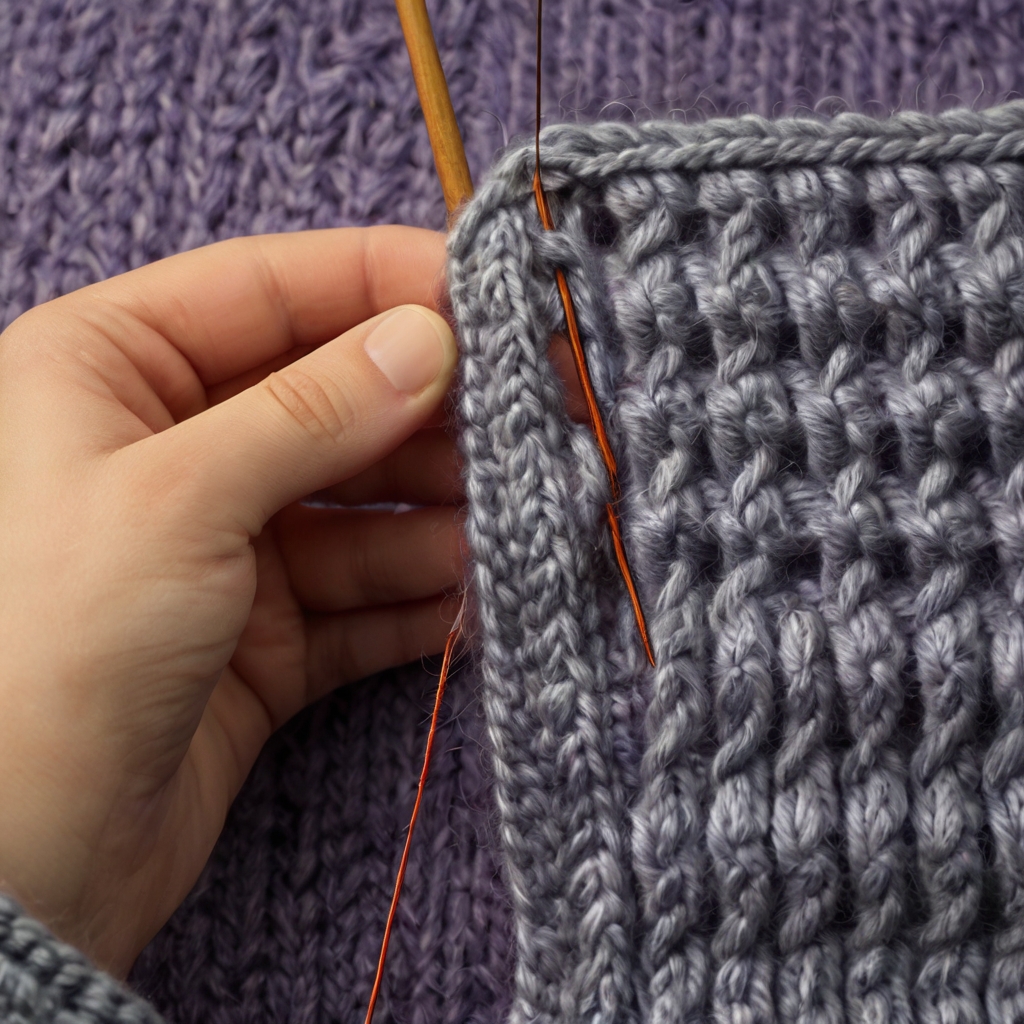
Every knitter knows the sinking feeling of spotting a dropped stitch—the one that slipped off the needle and threatens to unravel everything you’ve built. I used to panic when I saw it. It felt like failure, like I wasn’t careful enough. But over time, mindful knitting helped me realize that those little mistakes weren’t failures at all—they were quiet teachers about life itself.


Lesson 1: Patience

When you drop a stitch, there’s no shortcut to fixing it. You have to pause, breathe, and carefully trace your steps backward. Sometimes it means unraveling hours of work. At first, I hated that.

And honestly, sometimes I still do. When I lose a stitch, I get frustrated and feel like giving up. I’ve done that many times—working with excitement, enjoying the rhythm, only to realize I made a mistake that ruined the pattern. Suddenly, my motivation disappears, and I just want to quit.

But mindful knitting taught me something different—it’s okay to stop. You can always come back later. Once, I didn’t touch my project for an entire year. Then, one day, I picked it up again, fixed the mistake, and finished it easily.

That experience taught me something deeper—not just about knitting, but about mindfulness and knitting together. I tend to start many things but not always finish them. Still, returning to that half-done project a year later showed me something beautiful: it’s okay to pause. The “past me” began it, the “present me” continued it, and the “future me” completed it.

Knitting life lessons like this one remind me that even if I stop for a while, it doesn’t mean I failed—it just means I’m allowing time and patience to do their quiet work.

Lesson 2: Acceptance

Even if it’s not perfect, the process itself holds meaning. My time, my hands, my effort—none of that disappears. A handmade piece might not be as flawless or polished as something store-bought, but its uneven stitches and little quirks carry warmth and love.

That’s what mindful knitting is all about: learning to embrace imperfection. In the past, whenever a project didn’t get recognition or success, I thought it was meaningless and left it out of my portfolio. But now I see how wrong I was. Even unseen work shaped me—it made me stronger and showed me which paths weren’t mine to take.

Knitting is just like that. You start to build your own “know-how.” You learn which yarns work better, which needles feel right, and how to adjust tension. Every imperfect attempt adds to your quiet wisdom and deepens your practice of patience in knitting.

mindful knitting

Lesson 3: Starting Over

Yes, sometimes a missing stitch doesn’t seem like a big deal—until later, when the shape twists, the pattern misaligns, and the design doesn’t look right anymore. I used to think, “That’s in the past,” and just kept going. But when I looked at the finished piece, I always felt regret.

Now I know better. Mindful knitting showed me that quality comes from paying attention to each stitch. Knitting slowly, one loop at a time, helps you stay present—not just to create something beautiful, but to create something with intention.

Work is the same way. If I don’t do what needs to be done today, I’ll eventually have to come back and fix it later. So I try to stay focused, to do it right the first time. That’s another quiet lesson that mindfulness and knitting teach so well.

Mindfulness Connection

Knitting reminds me that life is stitched one day at a time. You can’t rush the process. Each loop, each row, requires care and focus. A dropped stitch doesn’t ruin the whole fabric—it’s simply a small reminder to return to the present moment.

Practicing mindful knitting turns ordinary moments into meditation. When we lose focus, we can always come back. That’s the beauty of both knitting and living: every moment offers a new beginning.


Conclusion

Knitting isn’t just about scarves or sweaters—it’s about patience, presence, and persistence. Creating something slowly with your own hands mirrors the way we build our lives.

Even mistakes can become mindful teachers if we’re willing to listen. The next time you drop a stitch, don’t curse it. Smile, take a breath, and remember—this, too, is part of your pattern.

If you want to start knitting, check my post Knitting for Beginners: How to Start Without Feeling Overwhelmed.

Why Homemade Gifts Bring Joy and Meaning

homemadeGift

Mindful Gifting: How Homemade Treats Bring Joy to You and Others

In today’s fast-paced world, most gifts are purchased with just a few clicks. Convenient, yes—but often impersonal. That’s why homemade gifts feel so different. Whether it’s baking cookies, making jam, or even preparing candles, the process of creating something by hand is not only about the final product. It’s an act of mindfulness, a way to connect with yourself and share joy with others.

The Mindful Side of Creating

When you create something from scratch, you slow down. Mixing flour, choosing jars, or tying ribbons may look simple, but these details invite you to focus fully on the moment. This is the essence of mindfulness: noticing, breathing, and letting your hands guide your mind.

Unlike scrolling on a phone or buying something pre-made, crafting a homemade gift immerses you in the process. You’re not just making “a thing”—you’re training your brain to concentrate, to feel calm, and to enjoy small achievements.

mindful gifting

From Kitchen to Gift: The Joy of Sharing

One of the most surprising things about homemade gifts is how the act of giving changes the way you create. When you bake for yourself, you might be casual. But when you bake for a friend, you measure more carefully, decorate more thoughtfully, and even search for nicer packaging. That extra attention isn’t pressure—it’s care transformed into action.

Handing a jar of homemade jam or a bag of cookies to someone creates a connection. Your time, effort, and intention become part of the gift. This is what I call mindful giving: not just self-care, but care that extends outward, enriching relationships.

Simple Ideas for Beginners

The beauty of mindful gifting is that it doesn’t need to be complicated. Start with small, practical projects:

Cookies: Simple ingredients, endless variations. Wrap them in parchment paper or small tins for a warm, homemade feel.

Jam: Seasonal fruit, sugar, and jars. Perfect for breakfast tables, and easy to customize with labels.

Candles or scrubs: Everyday items like soy wax, essential oils, or sugar can be turned into thoughtful, personal gifts.

Tea blends: Mix dried herbs or loose tea with a personal note. Small but meaningful.

Each of these ideas can be expanded into full guides later, but they all share one thing: they allow you to create something unique while practicing mindfulness.

The Extra Benefit: Affordable and Meaningful

Homemade doesn’t mean expensive. In fact, making in batches often lowers the cost compared to buying ready-made products. More importantly, the value of a DIY gift comes from effort and creativity.

Think about it: anyone can buy a store-bought candle, but not everyone can give a jar of jam that was stirred slowly, bottled with care, and finished with a handwritten note. That emotional value cannot be matched by money.

mindful gifting

Mindfulness in Action

Homemade gifts are more than hobbies—they are a practice of mindfulness in daily life. You pause, you create, you reflect, and finally, you share. The cycle starts with you but ends with someone else’s happiness.

This is why mindful gifting feels so powerful. It transforms ordinary tasks like baking or wrapping into meaningful rituals. It teaches us that mindfulness is not just about sitting still with our breath. It is about how we live, create, and give.

So the next time you wonder what to give, try making something yourself. A batch of cookies, a jar of jam, or a simple handmade item could become more than a present—it could become a piece of your care, presence, and mindful living.

👉 If you never try it in your life, check this posting and start your first mindful gift today.

Why Knitting is a Powerful Mindfulness Practice , Knitting for Beginners, Best Yarns and Tools for Mindful Knitting

Knitting in Public: How Commuting Can Boost Mindfulness and Creativity

knittinginpublic

Most people check their phones on the subway. I knit. What started as a small experiment has now become one of my favorite ways to reclaim time and add mindfulness to my daily commute.

When I used to ride the train, I often defaulted to scrolling through my phone. Sometimes I would read, but with dim lighting and constant noise, it was hard to focus. Especially on short rides—just one or two stops—it felt awkward to open a book, so I ended up staring at my phone out of habit. The problem is that once this habit sets in, it doesn’t stay in the subway. I found myself dragging through feeds at home or during breaks, and by the end of the day I felt like I had wasted my time without any real rest or creation.

That’s when I turned to knitting. Knitting in public might sound unusual, but it works beautifully. It’s portable, calming, and surprisingly social. A ball of yarn and a pair of circular needles fit neatly in a small bag, and even ten minutes is enough to make progress on a project. I often work on scarves or coasters—simple items that don’t require too much space. Sometimes, strangers notice and strike up conversations: What are you making? How long have you been knitting? These small interactions create unexpected connections and even turn commuting into a social experience.

knitting in public

Of course, there are practical tips that make commuter knitting easier:

  • Pick small projects like socks, beanies, or dishcloths that don’t take up too much room.
  • Use circular needles to prevent dropped stitches in crowded spaces.
  • Keep yarn in a drawstring bag so it doesn’t roll away on the floor.

Beyond the practical side, knitting has mindful benefits. Once your hands fall into rhythm, the noise of the subway fades away. The repetitive motion calms your nervous system and helps you focus, unlike the constant stimulation of a phone screen. By the time I arrive, I feel more relaxed than when I left, almost as if I’ve meditated.

knitting in public

There’s also a sense of accountability and motivation that comes when you knit in public. Joining a knitting circle or community group means you set small goals and share progress. Even casual commuters have asked me about yarn choices or shared their own stories, reminding me that knitting is more than a hobby—it’s a way to connect.

Knitting in public is, in a way, a small rebellion against wasted time. It proves that mindfulness doesn’t have to wait for a quiet room or a retreat; it can live in the busiest, noisiest places—even a crowded subway. If you’re tired of losing time to endless scrolling, bring your yarn on your next ride. You may find that every stitch is not just a creation, but also a moment of calm reclaimed from distraction. If you’ve never tried knitting in your life, check out this post—you might discover a new way to relax and focus.

The Best Yarns and Tools for Mindful Knitting: A Beginner’s Guide

knitting

The right yarn and needles don’t just make knitting easier—they shape how the practice feels. If knitting is your form of meditation, comfort matters more than cost. The textures in your hands and the rhythm of the stitches can either calm your mind or create unnecessary stress. Of course, as you knit more often, you may experience wrist or arm fatigue, and at some point you might invest in branded tools. But in the beginning, when you are simply testing whether this hobby fits your lifestyle, affordable yarns and needles are more than enough. The most important thing is to start, not to spend.

Choosing Yarn

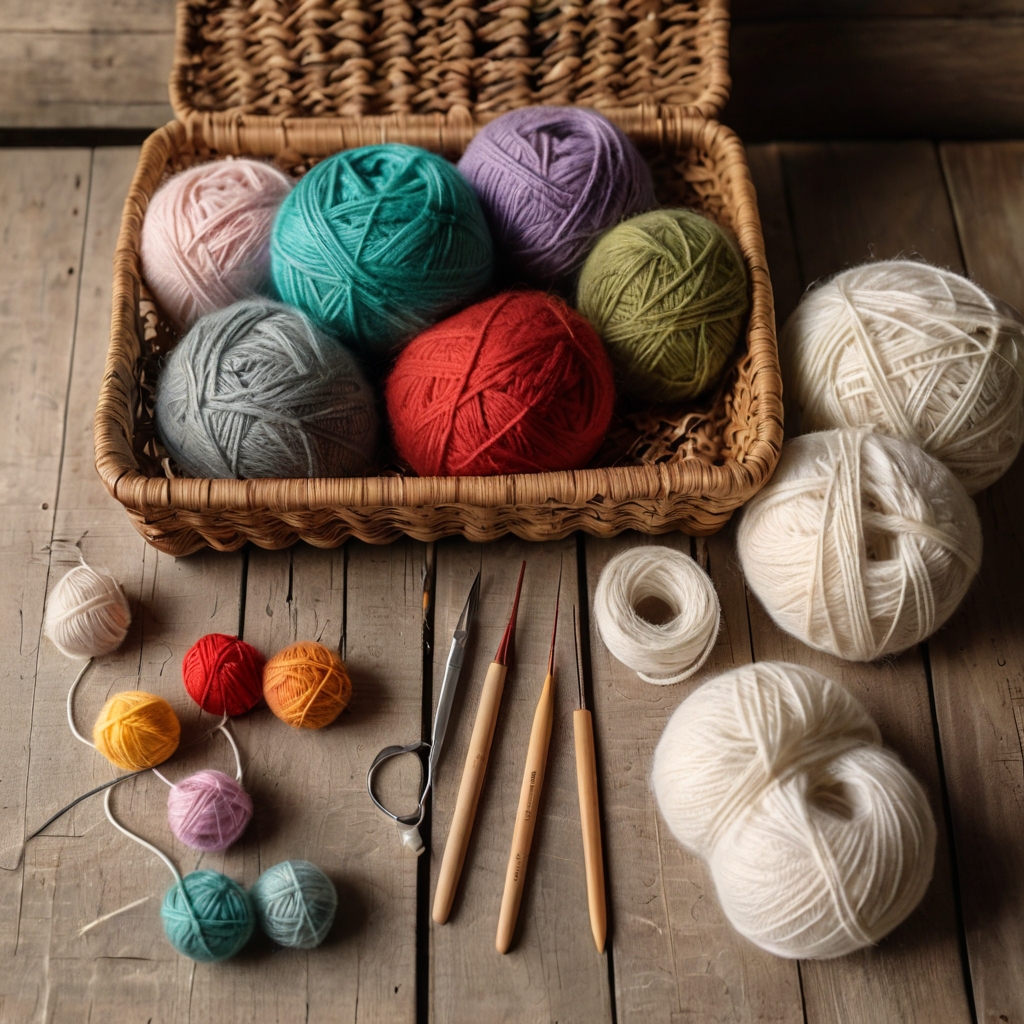
When starting your mindful knitting journey, the yarn you select plays a big role in how enjoyable the process feels. Soft and soothing fibers such as cotton, merino wool, or bamboo blends glide gently through your fingers, making each stitch more relaxing. Color choice matters too: earthy neutrals and pastels promote a calming atmosphere, while brighter shades spark energy and creativity.

For beginners, medium or bulky yarn is highly recommended. The stitches are easier to see, mistakes are easier to fix, and the progress feels more satisfying. You don’t need to splurge on high-end yarns like cashmere or alpaca. In fact, practical options such as cotton or polyester are easier to care for, since they can often be machine-washed without losing shape.

When I started, I learned the value of practicing with simple yarns while making coasters, small baskets, or dishcloths. These everyday items gave me quick wins and boosted my confidence. If you plan to make home décor, choose colors that fit your interior design. Personally, I often use cotton or polyester blends—they are affordable, versatile, and forgiving for beginners.

Luxury yarns like 100% wool or cashmere feel soft and light, but they can also fray if you repeatedly unravel and restart. For practice, this can be frustrating. Similarly, yarns made from multiple twisted strands may look beautiful but can be tricky for new knitters, as the hook or needle sometimes splits the strands unevenly. For your first projects, stick with smooth, single-ply yarn that keeps things simple.

If your goal is to knit scarves or items that will touch your skin, natural fibers like cotton, merino, or blends are excellent choices. They feel comfortable and breathable. Just be mindful that very expensive yarns may intimidate you—when you fear making a mistake, you may avoid using them altogether. Remember, knitting for beginners is about exploration, not perfection.

knitting tools

Needles That Support Focus

Needles are just as important as yarn when it comes to mindful knitting. The material and style you choose directly affect your comfort and rhythm.

  • Wooden or Bamboo Needles
    These are warm in the hands, create light friction, and make a gentle, quiet sound. Many beginners find them perfect because they prevent stitches from slipping off too quickly. Bamboo is lightweight and affordable, making it a great entry point. However, thinner wooden needles can sometimes break under tight stitches. That happened to me when I first started, as I tended to knit too tightly. Over time, I learned to loosen my grip, and the wooden needles lasted much longer.
  • Metal Needles
    These are smoother and faster. They allow stitches to glide effortlessly, which can be fun once you gain confidence. But for absolute beginners, metal needles may feel too slippery. If you start here, be prepared for dropped stitches until your hands develop more control.
  • Circular Needles
    Perfect for portable knitting, circular needles connect two short needles with a flexible cord. They’re great if you want to carry your knitting in a bag and practice during commutes. Many knitters also find the weight distribution easier on their wrists.

When it comes to crochet (single hook) rather than knitting (two needles), inexpensive starter hooks are perfectly fine. Many have a metal tip with a rubber handle, which makes them more comfortable for your fingers. Non-rubber versions exist, but the grip can be harder on your hands during long sessions. The price difference is small, so choose the option that feels good to hold. One caveat: some cheaper hooks have rubber grips that loosen over time, which can be distracting. Even so, they are still perfectly fine for beginners.

As for sizing, crochet hooks in the 4–6 mm range are versatile for most projects. Larger hooks are ideal if you want to work quickly and create bigger stitches. With knitting needles, the same rule applies: medium sizes are best for practice, while larger sizes make scarves and blankets grow faster.

knitting

Mindfulness Connection

Why does all this matter for mindfulness? Because the smoother your tools feel, the smoother your rhythm becomes. Knitting is not just about producing a sweater or scarf—it’s about entering a flow state. When your yarn tangles constantly or your needles slip too often, frustration builds, and the calm experience is lost.

The right yarn weight, the right needle grip, and the right color palette all contribute to an environment where you can relax. With mindful knitting, every stitch is an anchor. Your attention rests on the simple, repetitive movements of your hands, helping your brain shift from constant stimulation toward quiet focus.

Conclusion

The best tools are not the most expensive—they are the ones you enjoy using consistently. Knitting for beginners should never feel like an equipment race. Choose yarn that feels soft and manageable, and needles that fit comfortably in your hands. Over time, as your skills grow, you can experiment with luxury yarns or professional-grade tools.

Remember: mindful knitting is less about the finished product and more about the process. With affordable yarns, simple needles, and a calm mindset, each stitch becomes a small step toward balance, patience, and peace.

Knitting for Beginners: How to Start Without Feeling Overwhelmed

One of my previous posts mentioned knitting as a form of “hand meditation”—an activity that allows you to focus on small achievements while calming your mind.

Starting a new hobby often feels exciting but also a little confusing. With knitting, many beginners wonder: Where do I even begin? The good news is you don’t need expensive supplies or advanced skills to start. The beauty of knitting is that you can begin small, learn at your own pace, and discover joy in the process.

This post focuses on general knitting basics. In the future, I’ll share separate posts for “crochet beginners” and “knitting beginners.”

knitting for beginners

Step 1: Start Small

Avoid the temptation to begin with complex sweaters or blankets. Instead, choose projects like a simple scarf, dishcloth, or coaster. These small items give you a quick sense of progress without pressure. Even 20 minutes of practice can feel rewarding.

Here are two easy crochet coaster tutorials you can try:

Step 2: Choose Simple Materials

Pick one pair of medium-sized needles (size 5–6mm) or crochet needles and a ball of smooth, light-colored yarn. Lighter and thick yarn makes stitches easier to see, which helps you learn faster.

Don’t buy too much yarn at first—just one or two balls are enough. Once you enjoy knitting, you can experiment with different sizes and materials. You don’t need luxury yarn like cashmere or 100% wool. Affordable polyester or acrylic yarn is more practical, especially since it’s easy to wash in a machine.

Step 3: Learn One Stitch at a Time

The knit stitch is the foundation of almost everything. Once you feel comfortable, you can try different stitch. These help you to feel more fun on knitting also, it gave you confident to try new product.

Don’t worry to make mistake. One of the best things about knitting is that when you slip up, you can simply unwind and start again right from where you left off.

Step 4: Use Accessible Resources

You don’t have to figure it out alone. Today, there are countless free and supportive resources:

  • YouTube tutorials that show step-by-step techniques.
  • Local libraries or community centers, which often host free knitting classes.
  • Craft workshops or one-day classes, where you can learn directly from an instructor.
  • Online forums and groups, where knitters share tips and encouragement.

Step 5: Practice Without Pressure

knitting for beginners

Remember: mistakes are part of the process. Dropped stitches or uneven edges happen to everyone. What matters most is the rhythm you build. Many knitters say that once their hands move automatically, the activity becomes deeply meditative.

Even spending just 10–20 minutes before bed or during a break can draw you into the calm, creative world of knitting.

Knitting doesn’t require perfection—it only requires a willingness to start. By keeping it simple and using the resources around you, you can turn knitting into a mindful habit that brings both calm and creativity into your daily life.