The right yarn and needles don’t just make knitting easier—they shape how the practice feels. If knitting is your form of meditation, comfort matters more than cost. The textures in your hands and the rhythm of the stitches can either calm your mind or create unnecessary stress. Of course, as you knit more often, you may experience wrist or arm fatigue, and at some point you might invest in branded tools. But in the beginning, when you are simply testing whether this hobby fits your lifestyle, affordable yarns and needles are more than enough. The most important thing is to start, not to spend.
Choosing Yarn
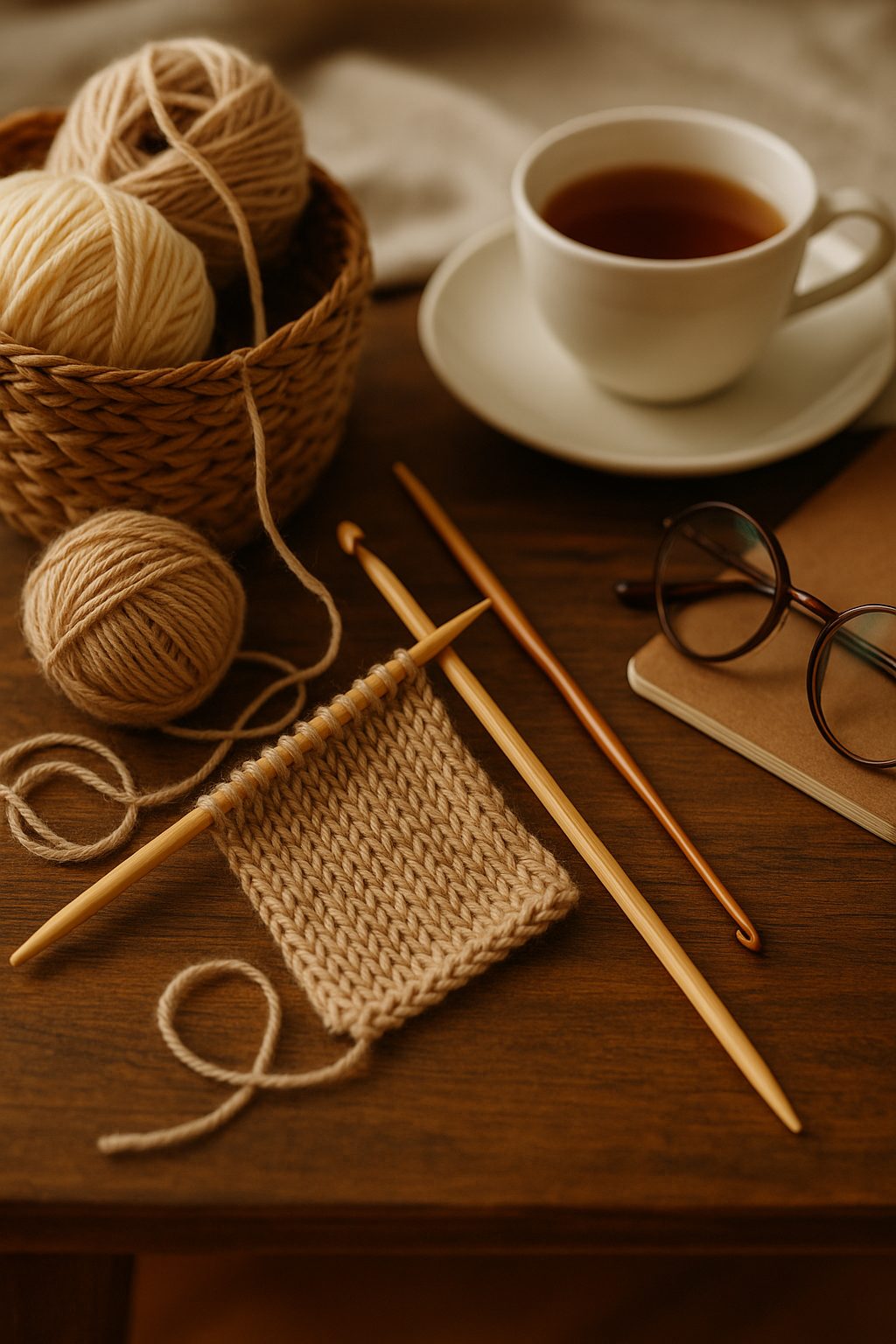
When starting your mindful knitting journey, the yarn you select plays a big role in how enjoyable the process feels. Soft and soothing fibers such as cotton, merino wool, or bamboo blends glide gently through your fingers, making each stitch more relaxing. Color choice matters too: earthy neutrals and pastels promote a calming atmosphere, while brighter shades spark energy and creativity.
For beginners, medium or bulky yarn is highly recommended. The stitches are easier to see, mistakes are easier to fix, and the progress feels more satisfying. You don’t need to splurge on high-end yarns like cashmere or alpaca. In fact, practical options such as cotton or polyester are easier to care for, since they can often be machine-washed without losing shape.
When I started, I learned the value of practicing with simple yarns while making coasters, small baskets, or dishcloths. These everyday items gave me quick wins and boosted my confidence. If you plan to make home décor, choose colors that fit your interior design. Personally, I often use cotton or polyester blends—they are affordable, versatile, and forgiving for beginners.
Luxury yarns like 100% wool or cashmere feel soft and light, but they can also fray if you repeatedly unravel and restart. For practice, this can be frustrating. Similarly, yarns made from multiple twisted strands may look beautiful but can be tricky for new knitters, as the hook or needle sometimes splits the strands unevenly. For your first projects, stick with smooth, single-ply yarn that keeps things simple.
If your goal is to knit scarves or items that will touch your skin, natural fibers like cotton, merino, or blends are excellent choices. They feel comfortable and breathable. Just be mindful that very expensive yarns may intimidate you—when you fear making a mistake, you may avoid using them altogether. Remember, knitting for beginners is about exploration, not perfection.
Needles That Support Focus
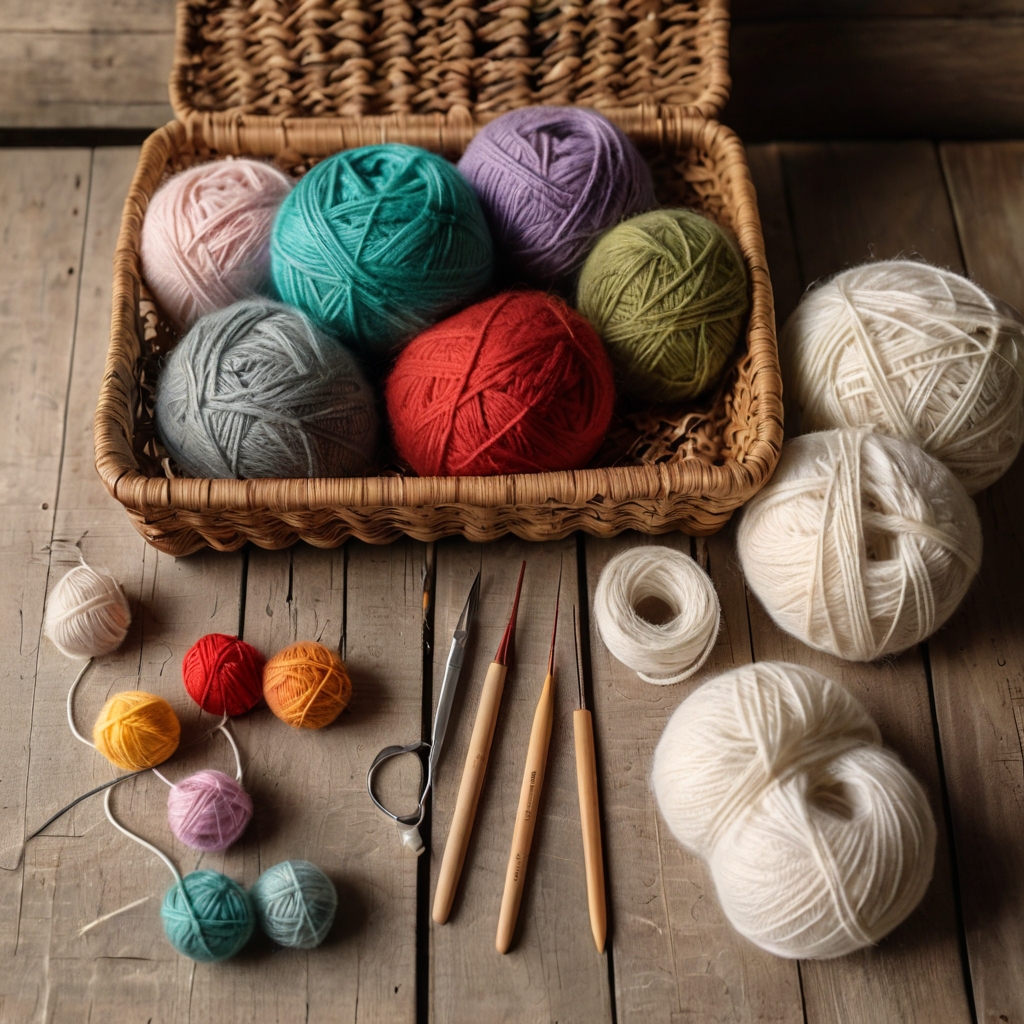
Needles are just as important as yarn when it comes to mindful knitting. The material and style you choose directly affect your comfort and rhythm.
- Wooden or Bamboo Needles
These are warm in the hands, create light friction, and make a gentle, quiet sound. Many beginners find them perfect because they prevent stitches from slipping off too quickly. Bamboo is lightweight and affordable, making it a great entry point. However, thinner wooden needles can sometimes break under tight stitches. That happened to me when I first started, as I tended to knit too tightly. Over time, I learned to loosen my grip, and the wooden needles lasted much longer. - Metal Needles
These are smoother and faster. They allow stitches to glide effortlessly, which can be fun once you gain confidence. But for absolute beginners, metal needles may feel too slippery. If you start here, be prepared for dropped stitches until your hands develop more control. - Circular Needles
Perfect for portable knitting, circular needles connect two short needles with a flexible cord. They’re great if you want to carry your knitting in a bag and practice during commutes. Many knitters also find the weight distribution easier on their wrists.
When it comes to crochet (single hook) rather than knitting (two needles), inexpensive starter hooks are perfectly fine. Many have a metal tip with a rubber handle, which makes them more comfortable for your fingers. Non-rubber versions exist, but the grip can be harder on your hands during long sessions. The price difference is small, so choose the option that feels good to hold. One caveat: some cheaper hooks have rubber grips that loosen over time, which can be distracting. Even so, they are still perfectly fine for beginners.
As for sizing, crochet hooks in the 4–6 mm range are versatile for most projects. Larger hooks are ideal if you want to work quickly and create bigger stitches. With knitting needles, the same rule applies: medium sizes are best for practice, while larger sizes make scarves and blankets grow faster.
Mindfulness Connection
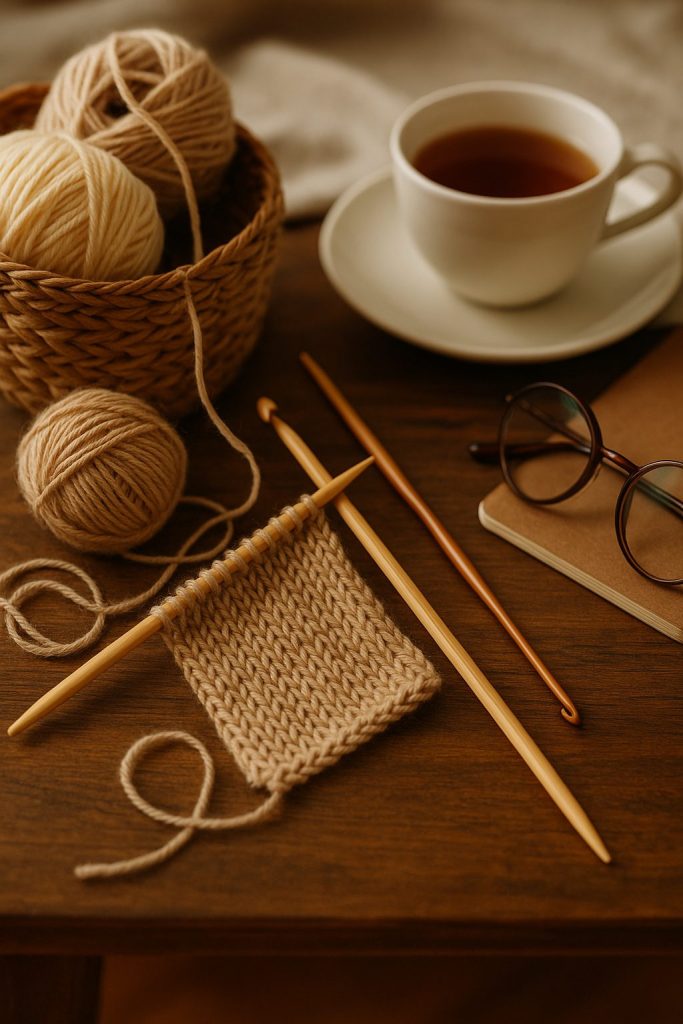
Why does all this matter for mindfulness? Because the smoother your tools feel, the smoother your rhythm becomes. Knitting is not just about producing a sweater or scarf—it’s about entering a flow state. When your yarn tangles constantly or your needles slip too often, frustration builds, and the calm experience is lost.
The right yarn weight, the right needle grip, and the right color palette all contribute to an environment where you can relax. With mindful knitting, every stitch is an anchor. Your attention rests on the simple, repetitive movements of your hands, helping your brain shift from constant stimulation toward quiet focus.
Conclusion
The best tools are not the most expensive—they are the ones you enjoy using consistently. Knitting for beginners should never feel like an equipment race. Choose yarn that feels soft and manageable, and needles that fit comfortably in your hands. Over time, as your skills grow, you can experiment with luxury yarns or professional-grade tools.
Remember: mindful knitting is less about the finished product and more about the process. With affordable yarns, simple needles, and a calm mindset, each stitch becomes a small step toward balance, patience, and peace.