
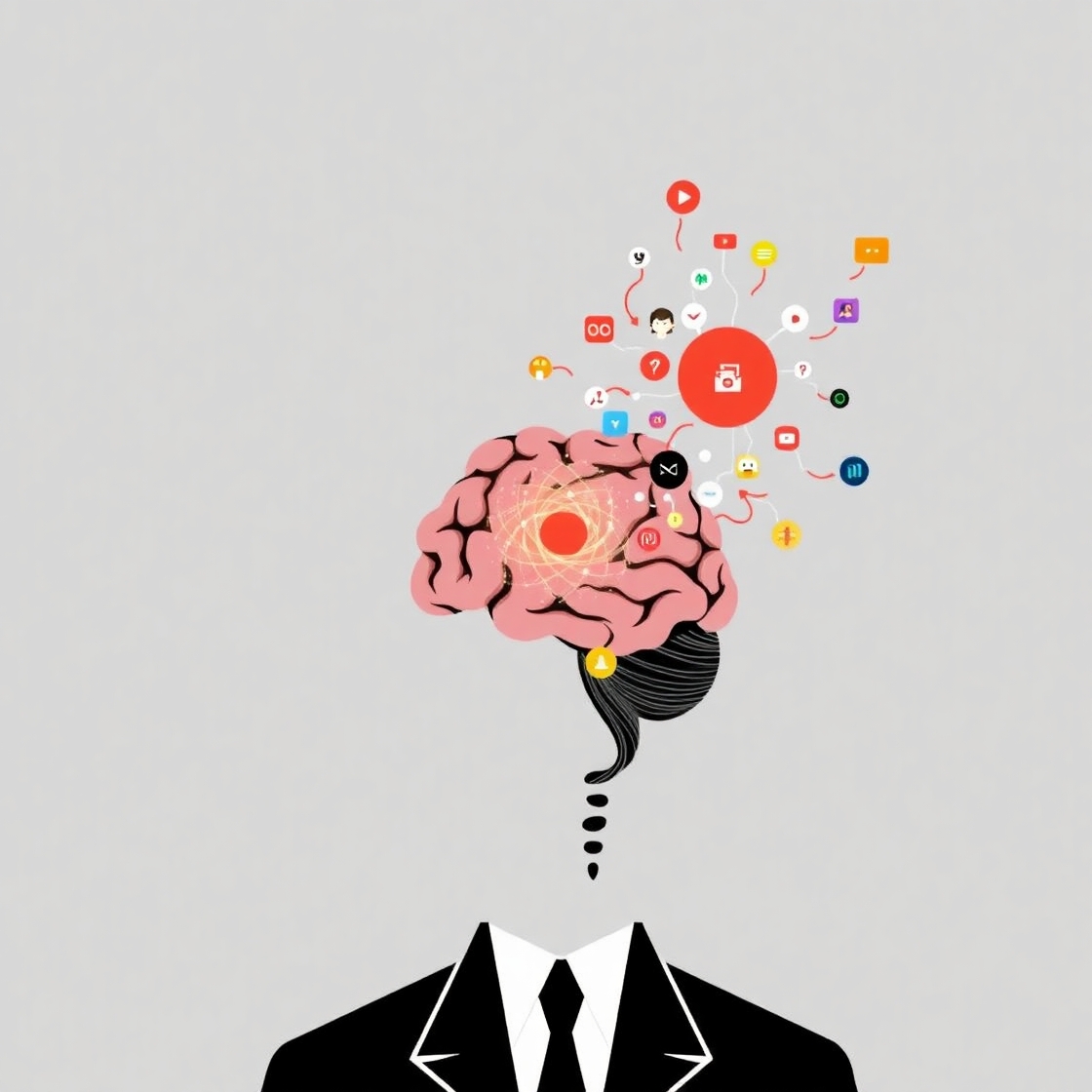
Every day, our phones buzz, apps ping, and endless feeds compete for our attention. Each small alert offers a dopamine hit—a quick jolt of pleasure that keeps us coming back. Over time, this rewires the brain, making it harder to focus, to delay gratification, and to invest in anything that takes time.

In his book Stolen Focus, Johann Hari argues that modern life has hijacked our ability to concentrate. We live in an economy built to steal attention, and the result is a brain that craves novelty and distraction more than depth or patience. Similarly, in Dopamine Nation, Dr. Anna Lembke explains how the constant chase for dopamine—through technology, substances, or behaviors—leads to imbalance, leaving us restless, anxious, and unable to find satisfaction in simple things.
The Dopamine Trap
Neuroscience shows that dopamine is not just about pleasure—it’s about anticipation. Each notification or scroll fuels a cycle of wanting more, but rarely feeling fulfilled. The more we indulge, the less sensitive the brain becomes, demanding even stronger or more frequent stimulation.
This is why scrolling for “just five minutes” often turns into an hour. Why silence feels uncomfortable. Why many people report feeling bored even when resting. Our brains, saturated with dopamine, have forgotten how to slow down.
And you’ve probably experienced this yourself: you pick up your phone with a clear goal—to search for something, check one message, or quickly look up information. But within minutes, you’ve forgotten your original intention. Instead, you’ve been pulled into a different app, distracted by a flashy advertisement, or lost in a chain of unrelated headlines. This isn’t just coincidence or weak willpower—it’s how modern digital platforms are designed. Each redirection delivers a small dopamine surge, rewarding the brain for getting sidetracked and making it harder to stay anchored to the task that actually matters.
Over time, this pattern rewires the brain. Instead of moving with focus and purpose, we slip into reaction mode, constantly responding to the next notification, the next banner, the next suggestion. Our attention becomes fragmented, and the ability to follow through on meaningful goals begins to fade. This is why embracing a simple life and practicing mindful habits isn’t just about lifestyle preference—it’s a way to reclaim control over the brain. By creating moments of stillness, free from constant stimulation, we retrain ourselves to stay present, to resist distraction, and to rebuild the patience our dopamine-saturated world erodes.
Long-Term Costs of Short-Term Rewards
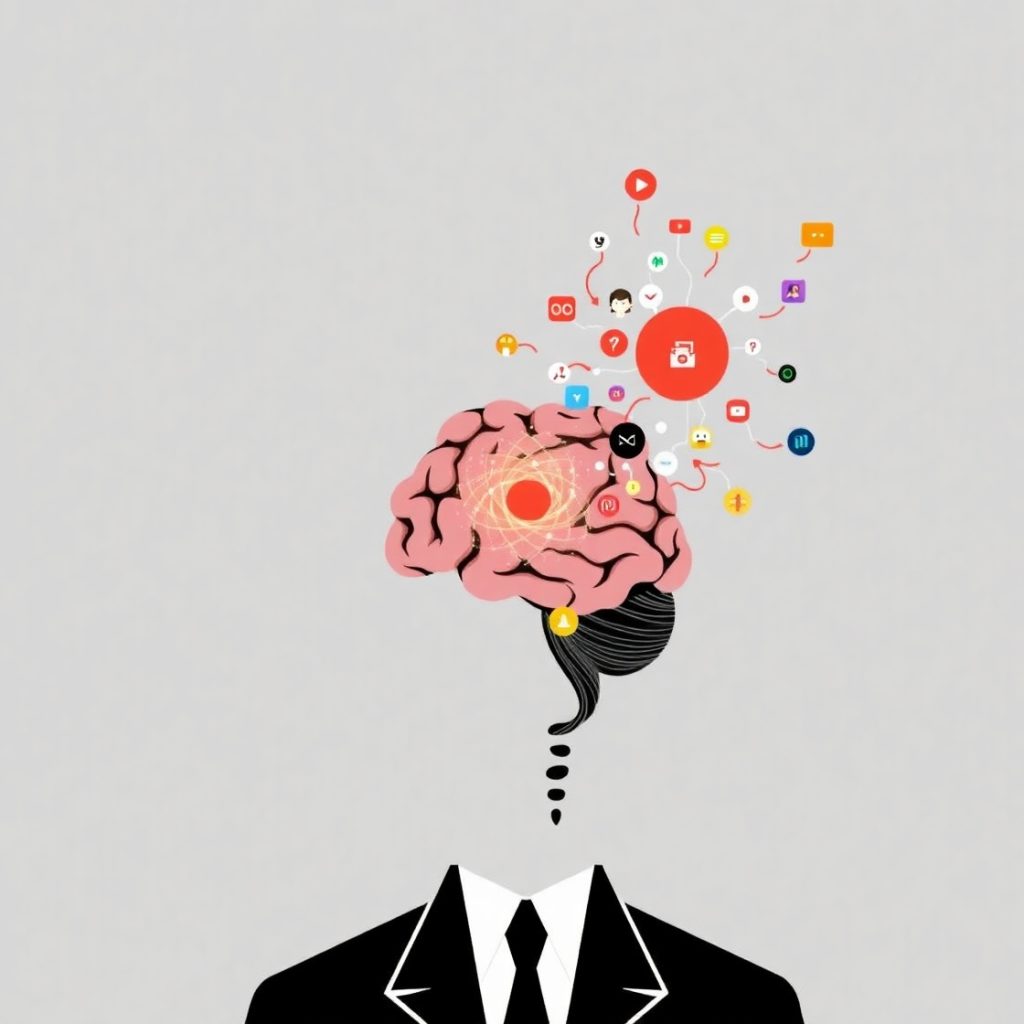
The cost is not just wasted time. A dopamine-saturated brain struggles with patience, resilience, and deep focus. Projects that require sustained effort feel overwhelming. Relationships suffer because we expect constant novelty. Even our sense of self erodes, as we let external noise dictate our moods and attention.
Hari points out in Stolen Focus that attention is not just a skill—it’s the foundation of how we think and who we become. If we lose the ability to focus, we lose the ability to fully live. And as Dr. Lembke emphasizes in Dopamine Nation, recovery requires recalibrating our reward systems—choosing discomfort in the short term to regain balance in the long term.
Simple Life as an Antidote
This is where the philosophy of a simple life and mindfulness becomes more than a lifestyle trend—it becomes brain health. Activities like meditation, knitting reading, running, or cooking may not deliver instant gratification, but they retrain the brain to adapt to slower, deeper rewards.
By intentionally spending non-consuming time—time not centered on quick digital hits—we teach the brain to value patience and process. This shift strengthens pathways linked to resilience and calm. Slowly, we remember how to find joy in the act of doing, not just in the quick result.
My Reflection
When I think of a simple life, I no longer see it only as a way to reduce stress or live minimally. I see it as a direct investment in my brain. Each time I put my phone down to cook, write, or sit in quiet reflection, I am choosing to heal the neural pathways worn down by constant stimulation.
It is not easy. My brain often resists the silence, craving the quick fix of a notification. But with practice, the pull weakens, and a deeper kind of satisfaction begins to emerge.
Conclusion: Investing in Your Future Self
Our brains are not built to withstand endless streams of dopamine without consequence. Left unchecked, this cycle steals our focus, drains our energy, and disconnects us from ourselves.
Choosing a simple life—one built on mindfulness, patience, and non-consuming time—is not just about preference. It is a way to rewire the brain, to reclaim balance, and to protect our future self.
The question is no longer just, Do I want to live simply?
It becomes, Am I willing to invest in the health of my brain and the quality of my future?
And with each small choice for simplicity, the answer can be yes.