Modern life is full of instant rewards. A single scroll through social media or a quick notification gives our brain a burst of dopamine. It feels satisfying in the moment, but this habit wires our brain to expect constant stimulation. Over time, this short-term cycle makes it harder to focus, build patience, or invest in our future selves.
This is why non-consuming time—activities like meditation, running, reading, playing music, or cooking—is so important. Unlike passive scrolling or instant entertainment, these activities don’t provide quick results. Instead, they train the brain to find meaning in the process and help us adapt to long-term rewards.
The Science Behind Instant Gratification
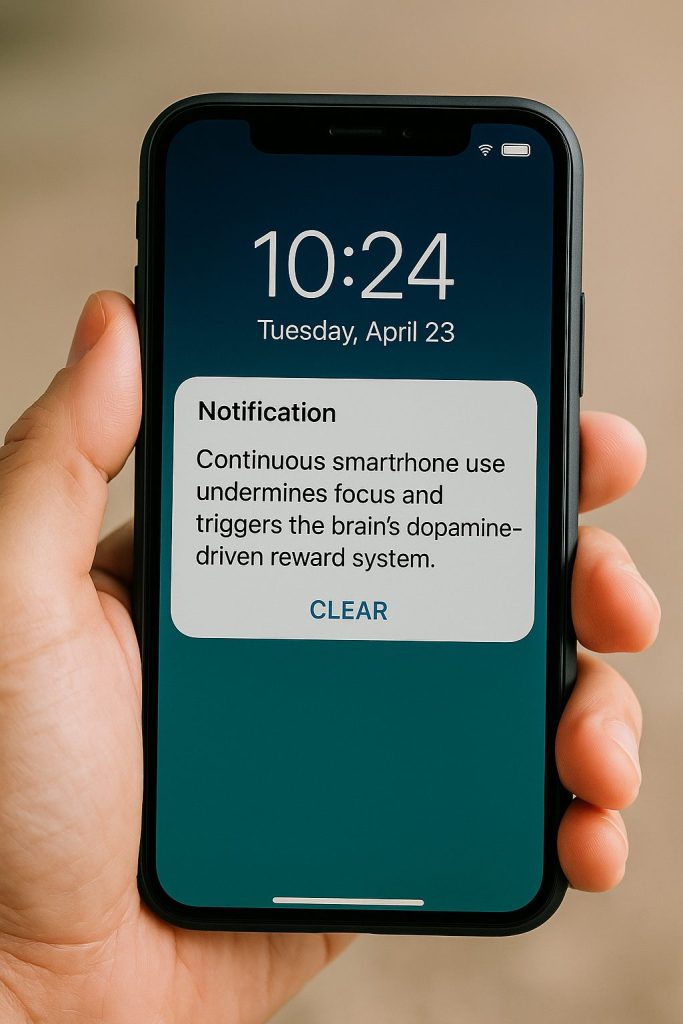
Neuroscientists point out that our brains are highly sensitive to immediate rewards. Each “like” on a post or new message triggers a dopamine release, creating a loop that makes us seek the next hit. This is why social media and smartphones are so addictive.
But there’s a cost. By feeding only on instant gratification, the brain becomes less tolerant of delay. Long-term projects feel harder, patience feels impossible, and even rest can feel uncomfortable. This shift is one reason so many people feel restless, anxious, or burned out despite constant activity.
Non-Consuming Time and Brain Health
Non-consuming time is the time you can freely use—separate from sleeping, eating, and working. It is the space in your day not dictated by basic needs or obligations, but by conscious choice and intention.
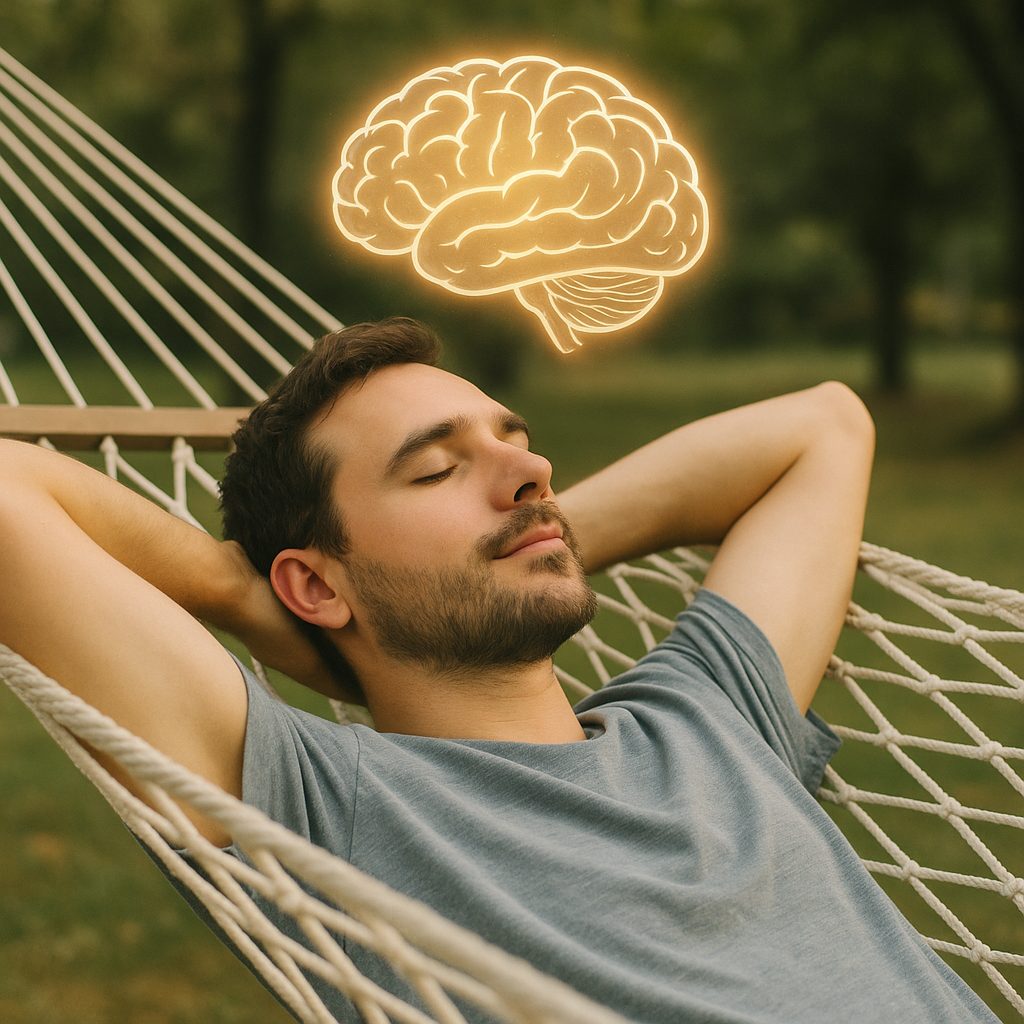
Non-consuming activities break this cycle. When we practice meditation, learn an instrument, or cook a meal from scratch, the brain does not get an immediate dopamine spike. Instead, it experiences gradual engagement and deeper satisfaction.
This type of time rewires the brain for long-term rewards. It strengthens pathways linked to patience, focus, and resilience. Over weeks and months, these small practices shift us away from short-term cravings toward habits that support lasting happiness and brain health.
So how do you spend your non-consuming time? Do you immediately check your inbox or scroll through social media on your phone? Try stopping this habit—turn off notifications, put the phone aside, and explore something you haven’t done in a while. Whether it’s solving a puzzle, painting, or reading a book, these practices help retrain your brain to focus, improve your productivity, and ultimately support a healthier, more fulfilling life.
My Reflection
When I first thought about simple living, I saw it mainly as a lifestyle choice. But I now realize it is also about health. Choosing non-consuming time is not only for my present satisfaction—it is also a way of caring for my future brain.
I know how tempting it is to chase quick rewards online. But each time I choose to cook, read, or practice mindfulness instead, I am training my brain for patience. I am reminding myself that my future self deserves the same care and attention as my present self.
Non-consuming time is not wasted time. It is an investment in brain health, resilience, and long-term happiness. By shifting from instant gratification to long-term rewards, we retrain our minds to value growth over speed and depth over distraction.
The next time you feel pulled into the quick fix of scrolling, ask: What would my future self thank me for right now? Choosing the slower, non-consuming path may feel small in the moment, but over time, it transforms both the brain and the life it shapes.