The Origin of meditation

encourage employee meditation


logo


The Origin Of Meditation

origin of meditation

These days meditation and mindfulness are becoming popular all over the world. Even some big tech companies‘ CEOs such as Steve Jobs from Apple, and Mark Zuckerberg from Facebook. Some companies already have knowledge importance of meditation practiced themselves and tried to apply it to their own company. At Apple, Steve Jobs encouraged employees to take 30 min for meditation at the workplace. One of the Google software engineers (Chade-Meng Tan) leads the ‘Search Inside Yourself’ coaching meditate program to employees for a better life. 


then you might be curious ‘why it is important?’ ‘what is mindfulness?’ ‘what is the origin of meditation and mindfulness.?’  As for when you begin it, the timing varies slightly depending on the point of view.

origin of meditation

First, if you look closely at the Buddha statue, the posture is unique. Most hands and arm shapes are partially different depending on region. Usually, East Asia’s status is a softer shape than West Asia’s (India) one. Although the status is different, there is a common shape of legs. when you look at the legs, are crossed on their opposite legs called the lotus position. This position is also really common at mediation. That’s why, the most well-known origin of meditation is Indian Buddhism.
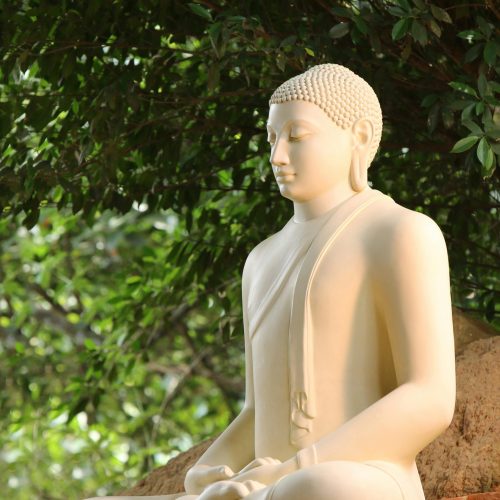
pexels-sadaham-yathra-813421

Then, let’s zoom in on Buddhism simply, Buddha, was born 2600 years ago as the prince of India. and he has been agonizing over suffering, a matter of life, rather than enjoying his wealth and glory as a prince. When he was the age of 29, he left home to find his answer. For this reason, he learned and trained under the guru, but he didn’t get an answer to the question. After he wandered for a few years finally he discovered the truth while meditating under the tree of Buddha(an oleaster).

After that, he taught to people how to get out of the pain of life, and spread meditation. This is the common assumption of how the meditation started. Some believe meditation originated from Taoism or yoga. Some scholars speculate that meditation may have been there before, although it is not on the record.

Although these meditations look similar, the purpose of doing this behavior is slightly different. Buddhism is for the liberation of one’s own suffering, and while concentration-enhancing self-reflection is more emphasized in other areas, it is clear that both are important to check one’s mind and become a better person. Some religious groups did to look for the truth of life. Some groups did this to maintain their mental health. However, the common thing is this meditation tries to focus on myself rather than on outside circumstances.


This behavior  is spread to whole over India and gradually extended to East Asia, such as China and Japan. When watching some Asian martial arts movies, you find a main character sitting and meditating at a waterfall or rock. 
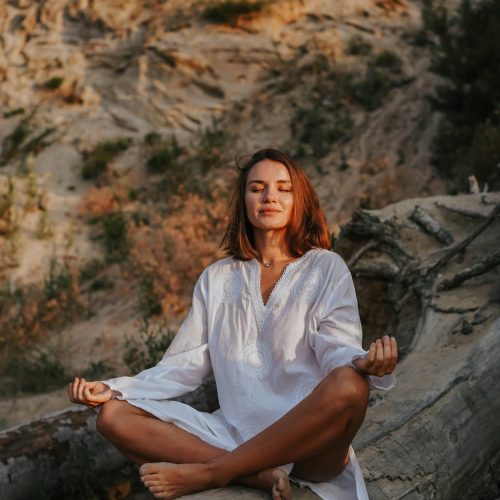
origin of meditation

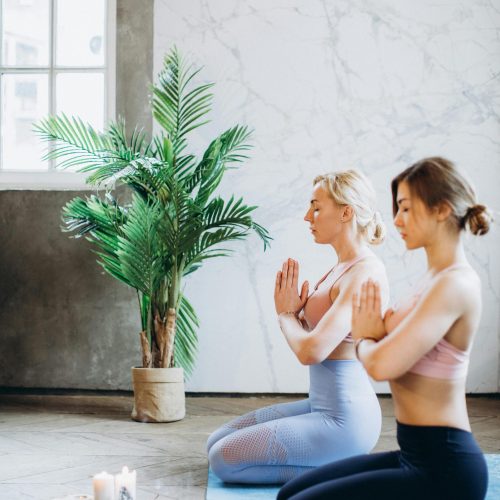
Then, when did it spread to the West? It was first known to Europe through the Silk Road from about the 3rd century B.C. Then, through the Middle Ages, meditation became increasingly popular and many people began to take over, which some people believe was made possible by the development of colonialism and transportation communication. Since the 20th century, people have been traveling in the East, learning meditation by experiencing the food and culture of the country, and continuing the training when they come back to their homes and informing the people around them, they have gradually extended to meditation and mindfulness. This trend still affects us nowadays. That’s why fitness companies open meditation lessons in metropolitan, big companies try to provide this session at the office, and research on it healthy wise also has increased in recent decades. 
origin of meditation

There is another point of view of the origin of meditation. Some people believe that meditation began similarly in the West, especially in ancient Greece. This is because Greeks enjoyed discussing mathematics frequently. After all, they constantly asked questions and meditated. However, since then, data on how it has been inherited have not been found yet, so it is more widely known that it originated in the East and is accepted as a leading origin of meditation. 


There is still controversy over the origin and history of meditation because it is difficult to accurately define who made it. But, importantly, it is a self-care training method that has been going on for thousands of years now, and there is no denying that it works just as well for you to control your mental health and body condition.

 Reference from

10 Big Companies That Promote Employee Meditation
logo

© 2024 www.meditationinspirer.com All Rights Reserved. About &  Disclosures

We are a participant in the Amazon Services LLC Associates Program, an affiliate advertising program designed to provide a means for us to earn fees by linking to Amazon.com and affiliated sites.
Meditation to help improve brain

improve brain


logo


Meditation to help improve brain

improve brain

You might heard that meditation is really helpful on the body, but still, you are not sure how just staying calm improves brain and body condition. In this post, let me explain how it has a good effect on the brain with 4 benefits.   

improve brain

1. Improve Brain by Activation

There is some study about meditation making the brain more active. When the researcher compared with meditation expert group(Tibetan Monk) with the meditation newbie group, they found that part of attention and focus in the brain is more activated than the normal group. In here the expert group who they have done 19,000 hours of meditation.  This expert group has done the ‘Focus attention meditation.’ That is paying attention to certain objects and trying to detect the mind that gets obstacles to focus and repeat to focus on some object.  Researchers found that these sequential mental attentions to certain objects are deeply related to dissociable systems in the brain.  When the expert meditation group, sustaining attention is activated and it helps to maintain these statuses.  By doing these practices, it benefit to improve brain function (parietal areas and the thalamus) in the long term. 

improve brain

2. Helps reduce brain shrinkage due to aging

It is known that during the aging process, the size of the hippocampal complex naturally decreases, and meditation can have a positive effect on this aging phenomenon. A study comparing long-term meditators with a normal group found that these cells shrink in size with age. However, the long-term meditation group did not notice any significant size reduction.

Additionally, it has been discovered that brain cell growth and preservation are observed when meditation is repeated continuously in a normal brain. It is predicted that if you continue to practice meditation consistently, it will positively affect brain degeneration and cell loss due to aging. Not much research is being done on this, but as research on meditation practice continues to become more active, we will be able to find an answer for improve brain 

improve brain

3. Improve Brain Memory

  There are some studies on the relationship between memory and meditation too. Practicing meditation training improves working memory capacity. Stress usually has a negative effect on brain memory and causes emotional disorders, and there has been research into the effects of meditation. First, we divided the groups into meditation training and examined working memory capacity according to the time of meditation training. The group with low meditation practice time showed a decrease in working memory capacity, and the group with long practice time showed an increase in working memory capacity. Appeared. If you practice consistently, your brain will be activated, and the total amount of memory you can remember will increase and improve brain functions. Above all, it has been found that when memory decline occurs due to stress, meditation can prevent the decline.

In addition, it is predicted that it will have a positive effect on memory decline due to neurodegeneration. In particular, while there is no specific treatment for neurodegenerative diseases, it has recently been revealed that consistent meditation improves cognitive ability and memory, and research on this is increasing.  

improve brain

4. Improve Brain Spatial Abilities

Lastly, meditation is also effective in enhancing spatial abilities. There is another study that showed that spatial cognitive ability improved with continued meditation training. This study was an experiment with 32 people, and was conducted by first measuring spatial ability before meditation and then randomly performing meditation training. In particular, the group that received meditation and mindfulness training showed better results in spatial ability and rotation training than the group that did not. Since this effect appears even with short-term training, it suggests that spatial cognitive ability can be improved through continued meditation.

improve brain

In Short 

To summarize, meditation and mindfulness are really beneficial to the brain by improving memory and spatial ability, reducing brain size, and activating the brain. However, Jung’s meditation and mindfulness are so abstract that it is necessary to distinguish what meditation is here. Some studies have defined meditation as complete concentration on an object. Some studies have compared meditation times to obtain results. Therefore, it is difficult to guarantee that you will get the same results as them.

However, the most important thing is the group who had positive results on their brain, they kept practicing and it presented positive results. Whichever meditation and mindfulness method you use, the most important thing is continuing this pattern as a habit. 


Read More 

Global Companies Encourage employee meditation for well-being


 Reference from

Attention regulation and monitoring in meditation – 2009

Reduced age-related degeneration of the hippocampal subiculum in long-term meditators


Meditation and neurodegenerative diseases
2013

Examining the protective effects of mindfulness training on working memory capacity and affective experience


Improving spatial abilities through mindfulness: effects on the mental rotation task – 2011

logo

© 2024 www.meditationinspirer.com All Rights Reserved. About &  Disclosures

We are a participant in the Amazon Services LLC Associates Program, an affiliate advertising program designed to provide a means for us to earn fees by linking to Amazon.com and affiliated sites.

A variety of contemplating methods

Static contemplating


logo


A variety of contemplating methods

Static contemplating

When you think about contemplating method, people usually imagine sitting in a quiet area and closing their eyes until they realize some lesson or truth. Maybe this is true for some religious or martial artists.

However, we just talk about daily meditation for your mental health, for your mindfulness. Regarding on daily meditation methods, it consist of two kinds. First, static contemplating method is sitting in a certain area. That really common concept when people imagine meditation people think about this.  Another is dynamic contemplating method which happens when you do something. Such as walking, and driving. 

Static contemplating

Static Meditation

Static Contemplating, although this term sounds fancy, is actually a really common way to do meditation. As you guess from the name of the term, ‘Static meditation’ is when you do not move and just stop with a certain posture. This contemplating also sorts with postures.

  1. Standing meditation: Doing contemplating by standing up and closing your eyes.
  2. Sit meditation: Sit down on the floor. 
  3. lying meditation: lying down on the mat and focusing on yourself. 

Although these postures are different, they really help you in for caring your mental health.

When you try this postures, make sure your posture is straight with your back and head, and breathe deeply and naturally.

standing contemplating

Standing Meditation

This posture is efficient when you study or work. Especially if you can’t focus on your task. Just stand up from your chair and close your eyes (if you want you can open your eyes too). During this time, you are not try to think about your task, instead, you try to be aware of the smell, sound, or view of nearby. If there is nothing to gaze then turn on the view picture on the monitor that you want to go to or that you like. I believe this picture makes you peaceful and relaxed. 

Maybe someone is afraid that you do not have enough time to do that because of the many tasks that you need to do.  You don’t need to take too much on this. Even you can try it briefly like 30 seconds. Once you do that, you will be more relaxed or think differently about your task. Even you can smile at your colleague after some short meditation. Also, it is helpful on your eyesight too, as you know after you gaze monitor or device few minutes, you should relax your eyes too.  Once you are familiar with this meditation, you can try it several times or longer time in your work place. I pretty sure it helps you to control your stress from work. 

sitting contemplating

Sitting Meditation

Sitting on the chair 

You can do this medication when you sit chair, sofa, or park bench. In that case, you should make the right posture, by straight your spine, do not crossing your legs too.  Do not worry about other body parts(especially hand and foot), just put it naturally. If you are not sure where should I put the hands, then, put them on the legs naturally.  

Sitting on the cushion 

Another way is sitting on the cushion. If you enjoy yoga in daily life, you are already familiar with this posture(Like the image just above).  If you don’t have a cushion then you can use the yoga mat. I totally recommend you to have the cushion or mat for this posture it is because without it you will feel pain in your leg, foot, and hip. then you can’t focus on meditation even if you can’t try it for a long time. The worst is you don’t want to try contemplating anymore. 

Caution for Sitting meditation

When you sit on the cushion try to cross your two legs it helps you to straighten your spine. Also, your head and spine should be in one line. You can close your eyes if not, then you can open your eyes too. 

 If you are not familiar with this crossed-two-legs posture or hard to do then try a natural posture that you can easily do such as straight your legs or, sitting on a chair.  

When you sit, you might be curious ‘what should I do?’ This moment is totally yours, stop thinking about your concerns, If you open your eyes then, you just gaze at what you see now, and from there just think and imagine like, today’s weather is really nice, there is a bird on the tree.  

Do not try to no think anything and make your brain empty, I know this is really difficult, even if you success it is really hard to do maintain more than 5 minutes. Instead of making your mind empty. Just stay comfortable and try to relax. If you can’t clear your mind with worries then start counting numbers or focusing on your breath. Like Do I breathe deeply enough, how often do I breath?  Then you will start to think other things are not problem anymore. 

lyingdown contemplating

Lying down Meditation

This meditation, you can easily try this right after you just wake up from sleep shortly. Just start thinking simple questions such as ‘What I am going to do soon?’, ‘Where should I go to today?’ ‘What should I eat for breakfast?’ Or just look out the window and enjoy the moment of morning.  But this time you shouldn’t go back to sleep by doing this.  


You can also try this meditation after the exercise is done. Lying down on the mat focusing your breath and cooling down your body. At the same time, you can check your body condition too. For example, today after stretching your legs, you will feel your thigh more relaxed than before. Also, you can ask yourself that ‘How’s the exercise? Is it hard for me?’, ‘If so, why it was hard for me? ‘   I believe it makes you enjoy the exercise time and you also aware that your body is healthier than before.

Caution for Lying Meditation 

However, I recommend you to try this posture right after you wake up on the bed or after the workout. Then how about before going to sleep?  Actually, I do not recommend doing that time at least you really do not have time for contemplating except the night time. It is because when you start contemplatingyour body and mind are relaxed, which causes you to fall asleep. Of course, relaxing and going to sleep well is nice! However, once this happens several times, your mind starts to believe contemplating is going to sleep. So when you try it in the middle of the day, this habit makes you sleep. I want to stress that if you want to try this posture before you go to sleep, you should try few minutes and set the alarm to prevent you from dozing off. Also you should keep aware that this is not sleep and rest. It is meditation, try to keep thinking. Like ‘What did I achieve today’, ‘What was thankful during today’ ‘Do I have a happy moment today? if so, what was it?’  

dynamic contemplating

Dynamic Meditation

If static meditation is too boring for you then you can try others to caring your mind. Dynamic meditation, you don’t need to stay in a quiet area or isolate the room. If you want to listen then, you can have it. As you notice from name of meditation, you can move. It could be house choring, dancing, walking or driving. Any movement you can do.

However, One thing is different with regular movement, when you doing meditation you need to totally focused on your breath and your movements. You need to be aware of what you doing now. At the same time, you can ask some questions to myself. Such as ‘How many times do I breathe with this movement?’ ‘How I feel?’ ‘Do I feel comfortable?’ ‘Do I have under stress these days? ‘

Although these are really simple questions, by pondering the answer your mind will be clearer than before you start contemplating. Once you try it several times in daily life, soon you realize, you prefer doing contemplating instead of spending your time on useless such as watching YouTube or the news.

Caution for dynamic contemplating

When you doing this dynamic meditation, do not do violent actions such as boxing. Sometimes, when you dive in thinking, you are easily careless about your activity then it causes some hurt to your body. For example, when you doing boxing you are in the middle of a thought, then you might hurt your wrist when you punch the target. Oppositely, when you totally focus on the exercise such as running at full speed, then you can’t think anything. It is because your body uses oxygen and resources to your body for movement. 

When you try dynamic meditation, just join contemplating with your daily routine to make some habits. Furthermore, try to give a stimulus to your body or focus on meditation in daily life.

In Short 

To sum up, depending on postures and movement, meditation is divided into two things: ‘Statistic contemplating’ and ‘Dynamic contemplating’. Also, Statistic contemplating can be sorted into three different postures. Although these contemplating are called differently, these contemplating’s main goal is to try to understand myself by paying attention to me having questions and asking myself.  

I believe this contemplating helps you to release some stress that you get every day by turning your eyes away to other things, not the circumstance and situation that you facing. Furthermore it is helpful for your brain  If you are not familiar with meditation and don’t know how to start meditation every day, ‘why don’t you start one of the methods that you are interested in?’ I believe this small habit becomes a game-changer in your life.

Read More 

Companies Encourage employee Meditation For Well-being

 reference from

How to Meditate: A Primer for Beginners (Article) 

How to Meditate 

logo

© 2024 www.meditationinspirer.com All Rights Reserved. About &  Disclosures

We are a participant in the Amazon Services LLC Associates Program, an affiliate advertising program designed to provide a means for us to earn fees by linking to Amazon.com and affiliated sites.

8_mindfulness_tips

mindfulness


logo


8 types of meditation and mindfulness for daily life.

mindfulness

I believe you know ‘what is meditation and mindfulness‘ and it is needed, however, still it is hard to take some time in your daily routine. We are too busy to survive at the company and fulfill our responsibilities and duties at home and the workplace.  Well, guess what? There are plenty of ways to sneak in a little control of your mind throughout your day!

 Here are weekday life 8 tips that you can care for your mind for your mindfulness such as at the workplace and at home.

mindfulness

Right after wake up

Most people who do meditation,  do it in the morning time before they start their day.  If you wake up just five minutes earlier then you can also start your day special.  Once you wake up, either you sit on or lie down on the bed take a moment to focus on your breathing. enjoy that quiet moment of the morning and focus on your mood today. Although it takes only 5 minutes, instead of just starting your day hectic, this quiet moment becomes a game changer for your day. It is because when your mind becomes more relaxed, you become more tolerant of others and are not easily embarrassed or worried when you see problems.

mindfulness

On your way to the job.

If you can’t wake up 5 minutes early or you are hectic for other family members or yourself to start your job, then you can do mindfulness on your way to work. Nothing special, when you drive to work, although it is the same routine that you do on weekdays, why don’t you start aware of surrounding factors, especially the weather?  Just look around the view of nearby buildings or trees. Or just try to feel today’s weather with your eyes and skin, feel the warm and tender morning sunshine, if it is a cloudy or foggy day then just feel that moisture and colors. As you know weather is just a natural phenomenon. Do not get upset or feel bad about the weather, just accept today’s weather itself. 

mindfulness

Mindfulness before you start your work.

Again, I believe you do not have time for relaxation when you driving because you are running late or you are still a beginner at driving, so you can’t focus on thinking about whether or yourself. 

There is another moment when you can trim your mind. Instead of hurrying start working as soon as you sit down at work. just pause for 3~5 minutes and take a breather, make a plan for what you’re going to do, think about how valuable the work you are doing is to you, and then think to yourself, “I can do it.” I whisper and get to work.

mindfulness

Mindfulness with lunch. 

Having meal moment also perfect timing for mindfulness. Think about yourself, when you have lunch how do you eat? do you eat with your colleague? Just stuffing food in your mouth to save time? Watching some video or checking email while eating? 

You did a good job during the morning time by dealing with tasks, you deserve to enjoy your lunchtime. Instead of being distracted by the media, how about taking some time to focus on yourself or meals? It does not take much time. When you’re eating lunch, take a moment to truly savor your food. Firstly smell the food and try to image the taste of food. Once you put the food in your mouth, start chewing slowly and try to feel the flavor and texture of each ingredient. And then, take a moment to check in with yourself and see how you’re feeling. This series of steps only takes in few minutes, however doing this mindfulness, makes you enjoy lunchtime and gives you positive energy for the afternoon job.  Even when you focus on the food and yourself, you can stop when you feel enough. This also helps you to maintain your body and prevents you to feel drowsy after eating.

mindfulness

Tea Time

There is another moment, you can care yourself. Most people drink something when they are working such as energy drinks, soft drinks or coffee.  Instead, if drink these beverages why don’t you drink some hot tea? 

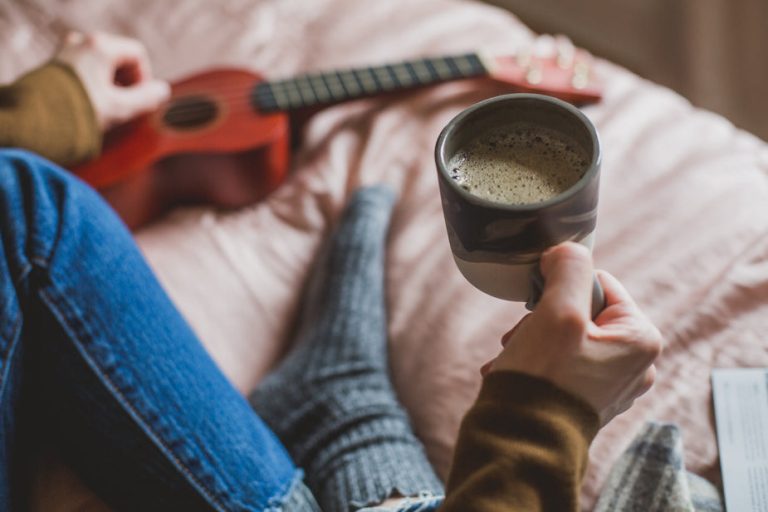
When you drink hot tea, because of its temperature you can not just gulf it. You need to wait for to cool it down. During that time you can enjoy that moment too. Such as by carrying the teacup, you can feel the temperature on your hands and can enjoy their fragrance of aroma.  By doing this, you can shortly remove your concern.  Once it cools down sipping the tea, focus on the taste of the tea and try to feel how that tea goes to the throat.  

Take a sip, let your worries fade away, and organize your minds slowly. 

mindfulness

the Moment, on one’s way to go home.

 After you wrap up your job, on your way back home you might be excited or already tired from today’s various tasks. Maybe it also a good idea, do not think anything just watch some videos on the subway or listening some favorite music when you drive.   

But if you want to do some special things to on your routine, I want to recommend you to take some time for mindfulness.  If you go home walking or ride a bicycle, then you can try to focus on the view or this time you can try to focus on your body such as when you step, or how your leg is moving. When you drive, you can try to enjoy the moment of driving or the scenery.  I believe these jobs clear your bad mood. 

mindfulness

Shower 

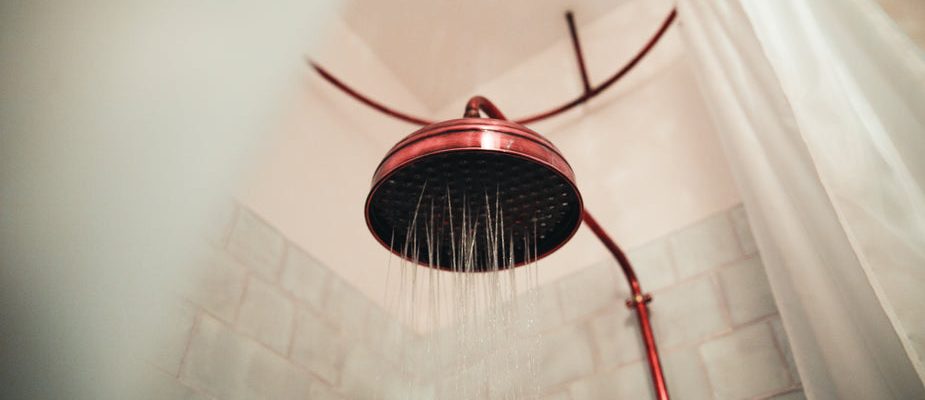
Even the shower time after returning home can be transformed into meditation time. When you take the shower you can focus on the temperature of the water and the scent of soap or bodywash. You can also feel the texture of soap bubbles too. When you take a shower, your mind starts reviewing today. Of course, you will think about some mistakes that you made or a colleague that made me mad today. That is so natural. However, instead of focusing on that negative thought, just simply think it has already past, and believe I can do better tomorrow, how well did I today.

While taking a shower, you can shake off all the heavy and negative thoughts along with the dirt from your body. Although this is a short moment it makes you relax. 

mindfulness

Before going to bed

Finally, before bed. This also perfect timing for mindfulness.  When you lie down on the bed, take a few minutes to breathe deeply and imagine yourself floating in the sky. Let go of any worries and allow yourself to relax.

Careful, you do not think too much about what happened today or worry. Once you start thinking that makes you think and worry more. Do not take worry worry that much just try to relax. 


Remember, you don’t need to set aside hours of your day to meditate. With just a few moments of mindfulness throughout your day, you can reduce stress and feel more optimistic and helpful to your brain. So take a deep breath, and enjoy the present moment!

logo

© 2024 www.meditationinspirer.com All Rights Reserved. About &  Disclosures

We are a participant in the Amazon Services LLC Associates Program, an affiliate advertising program designed to provide a means for us to earn fees by linking to Amazon.com and affiliated sites.

What is Meditation & Mindfulness

meditation


logo


What is Meditation and Mindfulness?

meditation

When you heard ‘Meditation’, what do you imagine first based on those words?

Personally, I can match meditation with Monk and the movie ‘Doctor Stranger’ main character ‘ Dr. Strange’ who self-trains himself for a cure.

Usually, Meditation is a really static activity, it is easily considered old-fashioned fashion and not suitable for the current era that changes rapidly every day.

Surprisingly, meditation has many benefits to control yourself.

Static contemplating

Benefit of meditation 

Then how does meditation help control yourself? When you start medication, by closing your eyes, your brain is disconnected from the current environment that you faced before. Once you start deep breathing slowly, your brain starts to think and care about your body. For example, by taking deep breaths, your brain becomes refreshed and your heartbeat is slower.

The next step is to go into your mind. By doing meditation, you have some time to face yourself such as ‘what do you like..?’ or ‘what you want to do?’. Although it sounds really simple and common question, most people never answer this question. they just push it back to the future when they have free time. Once you keep asking yourself, some concern or problem that you have, you will get some clue of it too. As you see, meditation is a useful tool for protecting yourself from harsh real life. 

mindfulness

What is Mindfulness ? 

This consecutive job can be done by other behaviors such as focusing on playing an instrument or panting. I am sure you felt about it in your life. When you focus on some affair, that makes you forget your problem during that moments. Once you totally in that time,  you mode filled with happy and motivated. This is called Mindfulness. 

Mindfulness is the broader meaning of meditation. Some author( I am not sure author’s name) defined that ‘Mindfulness is the basic human ability to fully present, aware of where we are and what we’re doing, and not overly reactive or overwhelmed by what’s going on around us’ from book ‘Your guide to meditation’.

Mindfulness is the thing that you protect your mind by doing some specific behavior. Although you do not recognize the concept of mindfulness, you did mindfulness( by doing your interested activities). Mindfulness can occur not only for passive behavior like closing your eyes and don’t do anything, instead, it can happen by drawing or listening to music.

In short, mindfulness and meditation are necessary too to treat your stress and worry. Why don’t you start from now? Here’s a tip and posture to how to apply on your life. 


 reference from

Definition of mindfulness – Your guide to meditation

logo

© 2024 www.meditationinspirer.com All Rights Reserved. About &  Disclosures

We are a participant in the Amazon Services LLC Associates Program, an affiliate advertising program designed to provide a means for us to earn fees by linking to Amazon.com and affiliated sites.

Privacy Policy


logo


thumb
MEDITATION INSPIER PRIVACY POLICY PAGE ​

Privacy Policy  

My own privacy is important to me when I visit other people’s www.meditationinspirer.coms, so I understand how important privacy is. The information you share with me is as important to me as it is to you.

I’ve taken steps under the General Data Protection Regulation (GDPR) to make sure any information you give me is secure, only seen by people who need to see it, and within your control.

You can find out exactly why I need the information, what happens to it, who will see it and how I keep it secure by reading this privacy policy. If you’re still unsure, you’ll be able to contact me.

I maintain the highest standards of honesty and fairness in everything I write for this www.meditationinspirer.com, and I apply exactly the same standards when I deal with the information you trust me with.

At [www.meditationinspirer.com] we are dedicated to protecting your data and privacy.

We recognize that your privacy is important. This document outlines the types of personal information we receive and collect when you use [www.meditationinspirer.com], as well as some of the steps we take to safeguard information. This will help you make an informed decision about sharing personal information with us.

[www.meditationinspirer.com] strives to maintain the highest standards of decency, fairness, and integrity in all our operations. Likewise, we are dedicated to protecting our customers’ and online visitors’ privacy on our www.meditationinspirer.com.

About Our Cookies 

A cookie is a string of information that [www.meditationinspirer.com] stores on your computer, which your browser provides to [www.meditationinspirer.com] each time you return to the site. We use cookies to help us identify and track visitors, their use of our www.meditationinspirer.com, and their www.meditationinspirer.com access preferences.

[www.meditationinspirer.com] uses Google Analytics to analyze the use of this www.meditationinspirer.com. Google Analytics collects demographic and interest data, and generates statistical and other information about www.meditationinspirer.com use, by means of cookies. These cookies are kept on your computer. We share this information with Google, which will store and use this information on its servers. Google’s privacy policy is available at: https://policies.google.com/privacy?hl=en-US

[www.meditationinspirer.com] uses information from Google Analytics to track the number of visits to the www.meditationinspirer.com, browsers and operating systems. No personally identifiable information is obtained from these cookies. We use the information that Google Analytics generates relating to our www.meditationinspirer.com to create reports about the use of the site. These reports allow us to update the site and improve your usage of it.

If you do not wish your data to be collected via Google Analytics, you can install its opt-out browser extension or add-on https://tools.google.com/dlpage/gaoptout/

Affiliate

We receive an affiliate commission for some of the [products/services] sold on [www.meditationinspirer.com]

The affiliate services platforms we use are Amazon By clicking on a [product or service] link, you consent to that platform’s use of cookies, as outlined in the link below.

https://aws.amazon.com/privacy/

Refusing Cookies

You can set your browser to accept or refuse all cookies automatically, or notify you when a cookie is being requested. Taking this action should not cause a problem with the continued use of our site. Consult the Help section of your browser for guidance on how to refuse all cookies or to notify you when a cookie is requested.

If you choose to refuse [www.meditationinspirer.com]’s cookies, you may not be able to fully experience the interactive features of the site.

California Consumer Privacy Act Statement

The California Consumer Privacy Act (CCPA), enacted in 2018, creates new consumer rights relating to the access to, deletion of, and sharing of personal information that is collected by businesses.

[www.meditationinspirer.com] has not sold any personal information from visitors to the site in the past 12 months.

Personally Identifiable Information 

[www.meditationinspirer.com] may collect and use your personal information for the following purposes:

To run and operate our site.

To display content on the site correctly.

To improve customer service.

To help us respond to your customer service requests and support needs more efficiently.

e-services and resources provided on our site.

To improve our site.

To improve our products and services.

To run a promotion, contest, survey, or other site feature.

To send information to you that you agreed to receive about topics we think will be of interest to you.

To send periodic emails, which may include electronic newsletters and/or autoresponder series of emails.

To respond to your inquiries, questions, and/or other requests.

[www.meditationinspirer.com] may collect personally identifiable information from you in a variety of ways, including, but not limited to, when you visit our site, register on the site, or fill out a form, and in connection with other activities, services, features or resources we make available on our site.

You can always refuse to supply personally identifiable information and visit our site anonymously. However, it may prevent you from engaging in certain site-related activities.

If we make material changes in the collection of personally identifiable information, we will inform you by placing a notice on our site. We will use personal information received from you for internal purposes only and will not sell it or provide it to third parties.

We also collect each visitor’s IP address, which helps us combat spam and fraud. We do not use IP addresses for any other purpose.

[www.meditationinspirer.com] contains links to other www.meditationinspirer.coms that may be of interest to you. However, once you have used them to leave our site, we do not have any control over that other www.meditationinspirer.com. Therefore, we cannot be responsible for the protection and privacy of any information you provide while visiting such sites. These sites are not governed by this privacy statement. Always exercise caution by reviewing the privacy statement of the www.meditationinspirer.com in question before continuing to use it.

Non-personally Identifiable Information 

We may collect non-personally identifiable information about you whenever you interact with our site. Non-personally identifiable information may include the browser name, the type of computer and technical information about your method of connecting to our site, such as the operating system and the Internet service provider you used, and other similar information.

Social media

You’ll notice on this www.meditationinspirer.com there are links to Facebook, Pinterest and YouTube. When you click on them or leave a comment, your browser connects directly with that site and sends information such as your IP address, the date and time of your visit and information about how you use the social site.

Should you wish to prevent those platforms from collecting data, please view their individual policies by using the following links: 

Pinterest
Facebook

 to prevent Facebook collecting your data, you should log out of your Facebook account while using this site.

Children’s Privacy Protection 

This www.meditationinspirer.com is directed to adults. It is not directed to children under the age of 16. We operate our site in compliance with current regulations. Anyone under the age of 16 must have a parent or guardian provide consent to use this site. We do not knowingly collect or use personally identifiable information from anyone under 16 years of age.

Release of Information 

If we sell [www.meditationinspirer.com], the information we have obtained from you through your voluntary participation in our site may transfer to the new owner as a part of the sale so that the service provided to you may continue. In that event, you will receive notice through our www.meditationinspirer.com of that change in control and practices, and we will make reasonable efforts to ensure that the purchaser honors any opt-out requests you might make.

Updates and Effective Date

[www.meditationinspirer.com] reserves the right to make changes in this policy. If there is a material change in our cookie and privacy practices, we will indicate on our site that those practices have changed and provide a link to the updated privacy policy. We encourage you to periodically review this policy so that you will know what information we collect and how we use it.

Agreeing to Terms 

If you do not agree to [www.meditationinspirer.com]’s privacy policy as posted here on this www.meditationinspirer.com, please do not consent to the setting of cookies and the collection and storage of your personally identifiable information.

Your explicit consent indicates acceptance of this privacy policy in its entirety.

© 2024 www.meditationinspirer.com All Rights Reserved. About &  Disclosures

We are a participant in the Amazon Services LLC Associates Program, an affiliate advertising program designed to provide a means for us to earn fees by linking to Amazon.com and affiliated sites.

Categories Uncategorized