Mindful Fermentation Series #2: Homemade Yogurt

Homemade Yogurt

In the previous post, I shared how to make simple sauerkraut at home. Also mentioned about benefit of cooking at home. Today, I want to revisit another classic fermentation project — homemade yogurt. During the pandemic, many people started making yogurt in their kitchens, and the method I use is surprisingly easy and low-maintenance. It requires only two ingredients: milk and a yogurt starter.

When I say “starter,” I really mean any plain yogurt that contains live active cultures. A small cup of thick, unsweetened yogurt works perfectly. And just like with any homemade food, making yogurt yourself gives you something store-bought versions can’t: freshness, control, and intention. You know exactly what goes into it, there are no unnecessary additives, and the flavor is cleaner and more comforting. Plus, the act of heating, waiting, and straining has a calming rhythm to it — a small reminder that simple routines can bring real nourishment, not just to your body but to your day.

Homemade Yogurt

How to Make Yogurt at Home

Ingredients

  • 2 liters of milk
  • 1 small yogurt (about 180 ml) with live cultures
    • Flavored yogurt makes flavored yogurt; plain yogurt makes simple, clean yogurt.

Step 1: Bring the Milk to Room Temperature

Leave the milk out for about 30 minutes so it’s not too cold.
When the milk is slightly warm (not hot), mix in the yogurt starter.

Step 2: The Surprisingly Easy Heating Method

I used to boil hot water and keep the container warm, or even use a yogurt maker.
But recently, I found a much simpler method — using the microwave as a warm incubation space.

Here’s what I do:

  1. Pour the milk and yogurt mixture into a plastic container.
  2. Place it in the microwave.
  3. Heat for 5 minutes, OR do 3 minutes + 3 minutes so it doesn’t get too hot.
  4. After heating, do not open the microwave door.
    The warm enclosed space becomes a perfect incubator.

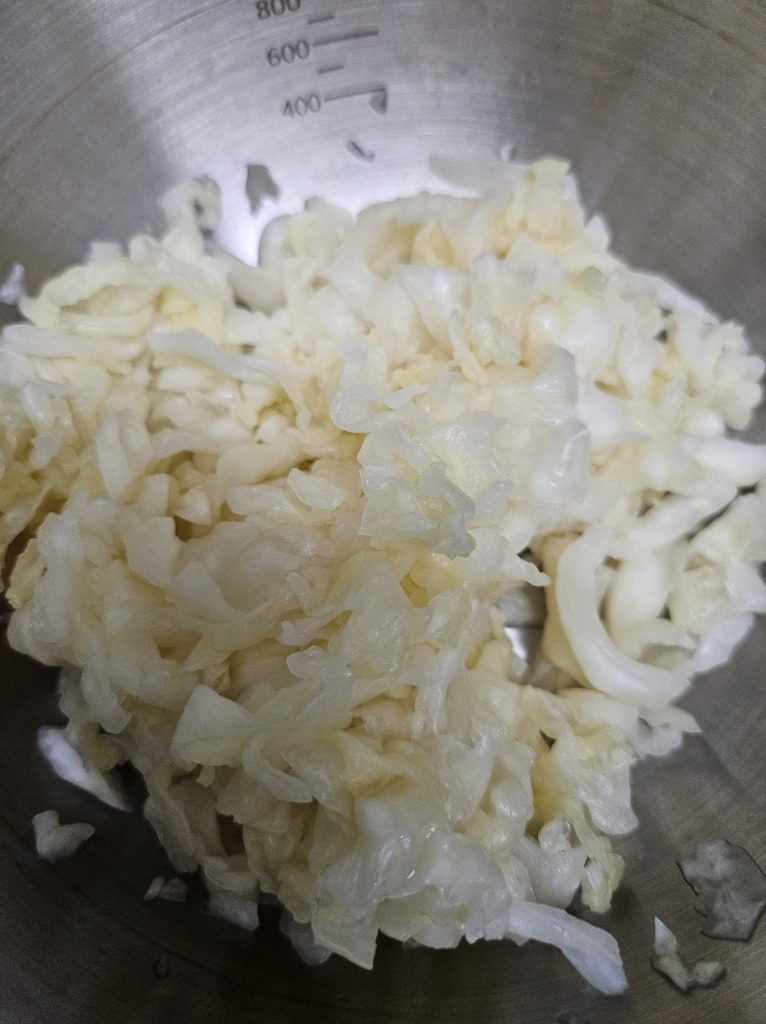
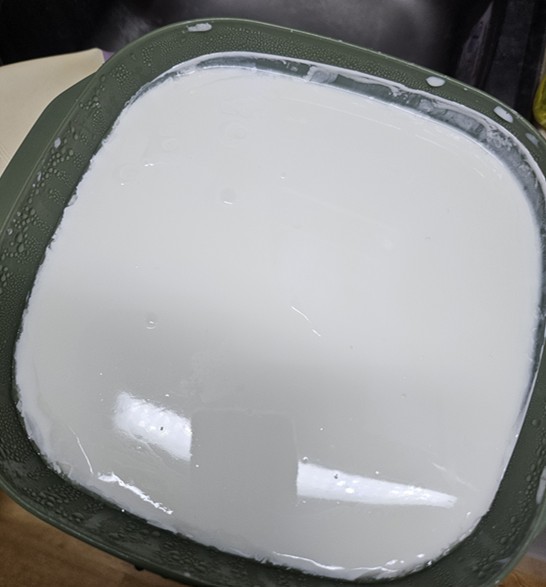
By the next morning (after 8–10 hours), you’ll see the mixture has thickened into a soft mass.(Like below picture)
That means it has successfully turned into yogurt.
Homemade Yogurt

It almost always works — though very occasionally it fails. When that happens, I reheat and try one more time. If it still doesn’t set, I simply discard it and start over.

Step 3: Optional — Make Greek Yogurt

I love thick, creamy Greek yogurt, so I strain mine.

You don’t need any fancy equipment:

  • Line a strainer with a cotton cloth or cheesecloth.
  • Pour the yogurt in.
  • Let the whey drip out naturally.

If you want it extra thick, place a heavy bottle of water or even a dumbbell on top to speed up the draining.
A few hours later, you’ll have rich, dense Greek yogurt.

Store it in a small container in the fridge and enjoy throughout the week.


Why I Enjoy Making Yogurt

Maybe it’s because I made it myself, but I always feel like homemade yogurt tastes better.
It also requires almost no effort — I check on it only once or twice.

I make yogurt about once a week, and the simple ritual gives me space to slow down and reset.
Especially on weekends when I’m home alone, making yogurt, cooking slowly, or preparing something with my hands helps me focus on myself rather than on work or outside noise.
There’s something grounding about watching a few simple ingredients transform over time — it reminds me that good things don’t have to be rushed.
And unlike store-bought versions, homemade yogurt feels cleaner, fresher, and more honest, almost like nourishment for both my body and my mood.


What’s Next?

In the next post, I’ll share how I make:

  • homemade kombucha,
  • simple pickles, or
  • my recent baking experiments — sourdough and baguettes.

Stay tuned for the next chapter of the Mindful Fermentation Series.
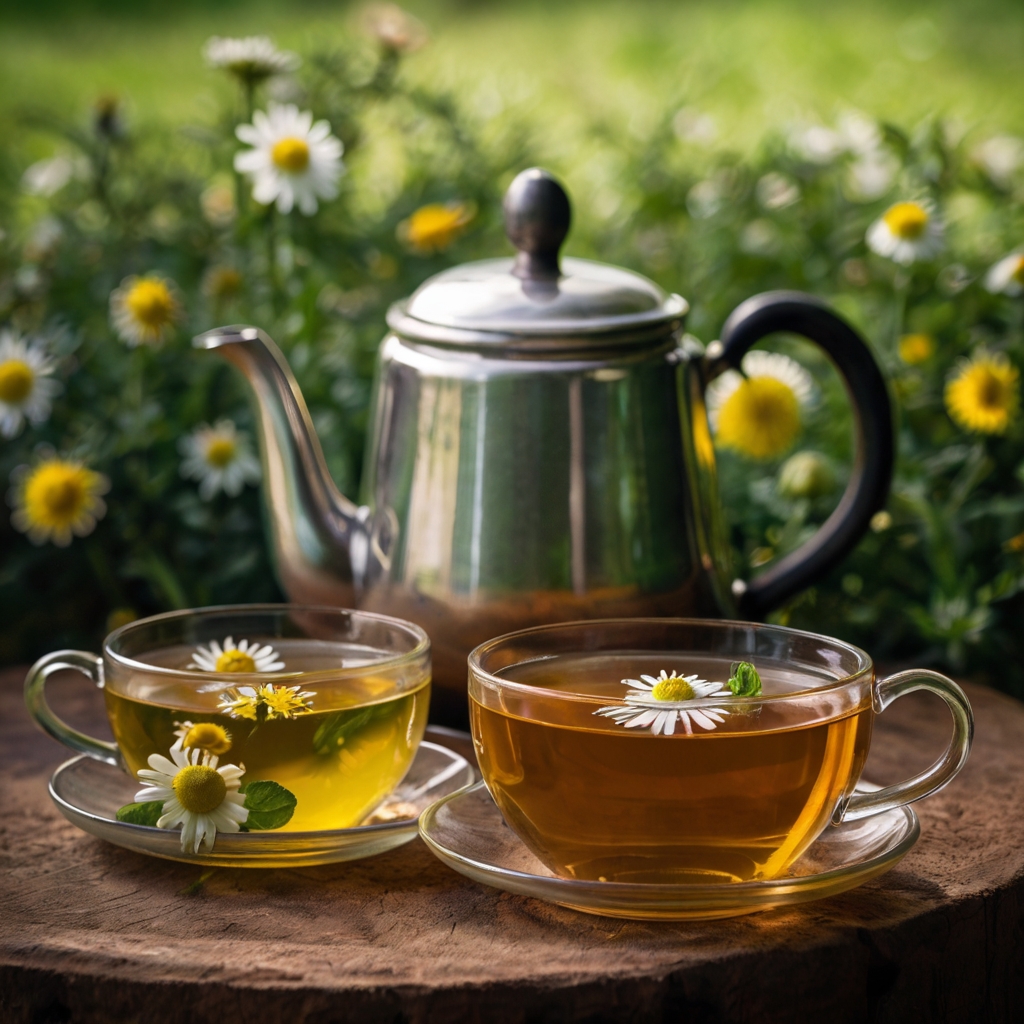
Best Teas for a Calm Winter: Chamomile, Peppermint, and More

As I mentioned on post “Warm Drinks, Slow morning routine: Finding Stillness in a Cup” , have a silent time is important to take care of your self. One of easy way to take silent time is mindful tea ritual. By boiling and pulling out tea, and smelling brew tea already give you refresh. Here is some tea that I want to recommend that you can start slow living tea habit easily and health for your body especially some tea good for anxiety.

1. Chamomile Tea — Calm Your Mind & Sleep Better

If you’re looking for a tea that instantly softens your mood after a long day, chamomile is the classic choice.
Chamomile contains apigenin, a natural compound that supports relaxation and improves sleep quality.

Benefits

  • Helps ease anxiety and tension
  • Supports deeper, restorative sleep
  • Soothes digestive discomfort
  • Gentle enough for daily use

When to drink

  • 1 hour before bed
  • On days when your thoughts feel heavy or overstimulated

💛 Perfect pairing:
Chamomile + a slow evening stretch → pure winter comfort.

Try Organic Chamomile Tea

2. Peppermint Tea — Refresh Your Focus & Relieve Bloating

Peppermint isn’t just refreshing — it’s uplifting without caffeine.
It contains menthol, which naturally opens your airways and boosts alertness.

Benefits

  • Increases mental clarity
  • Relieves bloating and digestion discomfort
  • Helps ease headaches
  • Naturally cooling and refreshing

When to drink

  • Midday slump
  • After a heavy meal
  • When you want to reset your brain without caffeine

💡 Tip: Peppermint is great before workouts or study sessions.
Fresh Peppermint Tea Leaves

3. Ginger Tea — Warm Your Body From the Inside Out

Ginger is a winter essential.
It improves circulation, boosts immunity, and adds warmth to cold days.

Benefits

  • Anti-inflammatory (great for bloat & joint tension)
  • Warms your body and improves circulation
  • Supports digestion
  • Boosts your immune system

When to drink

  • Cold mornings
  • When you feel sluggish
  • Before going outside in winter

🔥 Perfect for winter wellness routines.
Organic Ginger Tea Bags

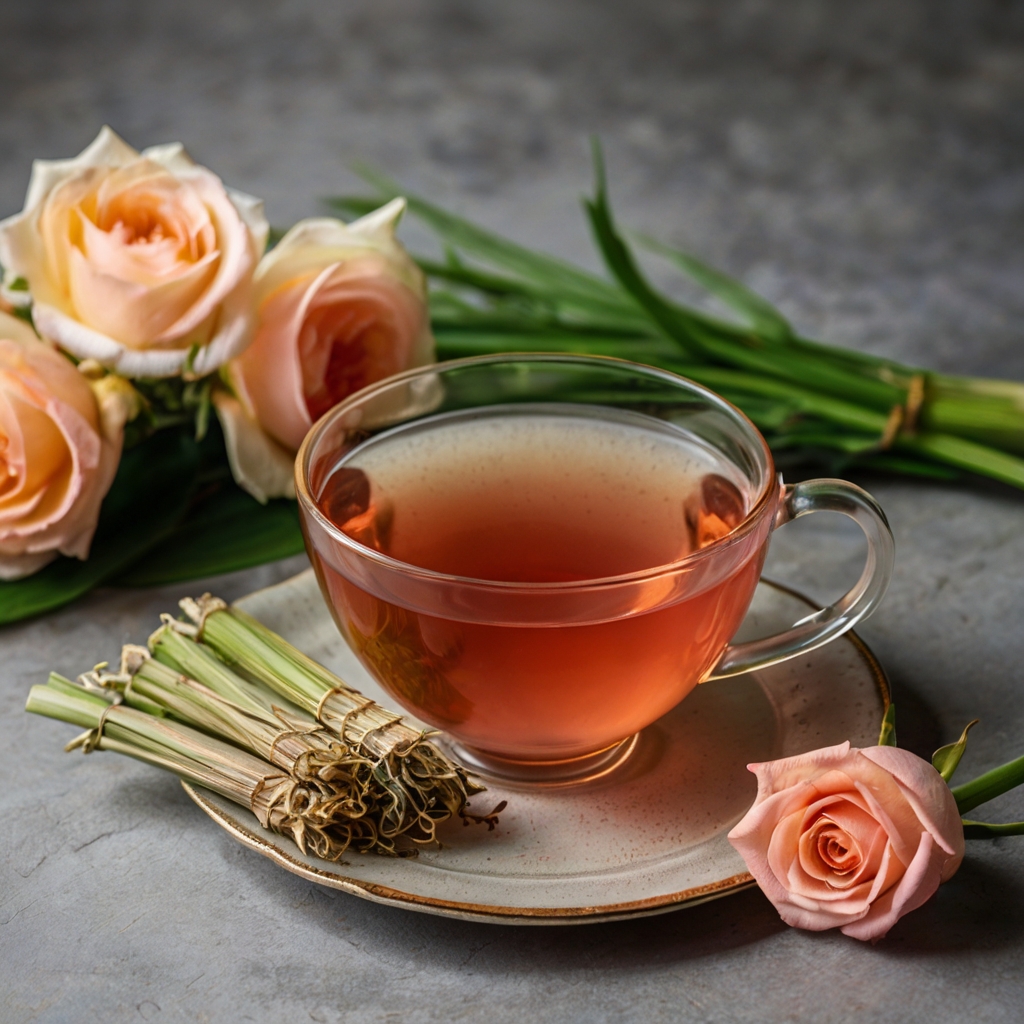
4. Lemongrass Tea — Clean, Bright, and Detoxifying

Lemongrass tea offers a crisp, citrus-like flavor that cleanses and uplifts your senses.

Benefits

  • Supports digestion
  • Natural detoxifying properties
  • Light mood-boosting effect
  • Reduces inflammation

When to drink

  • After lunch
  • When your mind feels foggy
  • On days you want something light

Lemongrass Tea

🌸 5. Rose Tea — Emotional Balance & Skin Health

Rose tea is incredibly calming emotionally — it feels like a gentle hug.

Benefits

  • Balances mood
  • Reduces stress
  • Supports skin hydration from within
  • Naturally aromatic and soothing

When to drink

  • During stressful weeks
  • As a slow morning ritual
  • When you want something beautiful

Dried Rose Bud Tea

How to Choose the Right Tea for Your Mood

Mood / NeedBest TeaWhy
Anxiety / overthinkingChamomileApigenin calms the nervous system
Focus / clarityPeppermintMenthol boosts alertness
Cold / fatigueGingerImproves circulation + warmth
Detox / heavy stomachLemongrassLight, cleansing
Emotional comfortRoseMood-soothing aromas

Final Thoughts

Tea is more than a drink — it’s a ritual.
A way to slow down, breathe, and care for yourself in small, gentle moments.

If you’re building a mindful lifestyle, keeping 2–3 teas at home is one of the simplest ways to bring calm into your day.

Warm Drinks, Slow morning routine: Finding Stillness in a Cup

warmdrink

Slow morning routine by starting your day with Warm drinks.

There’s something comforting about holding a warm cup on a cold morning — the soft steam rising, the faint scent of tea or coffee, the quiet pause before the world starts moving. In winter, when light is low and energy drops, a simple warm drink ritual can anchor you back to calm presence.

Start by choosing your drink intentionally. Herbal tea for clarity, cacao for comfort, lemon water for lightness. Even the act of choosing tells your nervous system, “I am taking care of myself.”

As the water boils, don’t rush. Listen to the bubbling sound. Feel the heat build. Let the waiting itself become part of your ritual. There is a kind of honesty in moments when nothing is happening — when life is paused on purpose. When you pour, do it slowly. Before the first sip, close your eyes. Feel the warmth resting in your palms. Inhale deeply. You’re not just drinking — you’re returning to yourself.

This small moment teaches something profound: warmth doesn’t only come from the cup; it comes from attention. When you sip slowly, you give your body permission to rest and your thoughts permission to quiet.

Scientists have noted something interesting — boiling water doesn’t just warm the drink. It gently raises humidity in the room. When indoor air has more moisture, the same temperature feels significantly warmer to the body. In other words, the ritual warms not just your hands but your home and your nervous system. Warmth becomes environmental, not just internal.

warmdrink

Try keeping your phone away. Maybe light a candle. Maybe open the window just a crack — the cool outside air clashing with the warm aroma inside reminds you that you are here, awake to the present. In Japan, there’s a saying: “Tea time is a moment between moments.” You don’t need a full hour — just five mindful minutes.

And those five minutes can change your day more than you think. While you drink, you can simply close your eyes and feel the air, or you can open a diary and write what you plan to do today — not as pressure, but as intention-setting. Even writing one line like “Today I choose to live gently” shifts how the day unfolds.Or you can play a soft piece of music, something calm that meets the warmth in your hands. If you feel sleepy from the heat, pair it with a small action — toast a piece of bread, spread jam, or warm a simple breakfast. A tiny act of preparation often softens the day ahead. If you live with family, making a quick fried egg or slicing fruit for someone else can quietly build connection before words are even spoken.

warm drink

You don’t need a dramatic resolution or a productivity system. What you need is one door that leads you into your day more kindly. A warm cup can be that door. Because when you drink slowly, you realize that peace was never far away — it was waiting at the bottom of your cup. And the more often you repeat this quiet ritual, the easier it becomes to return to yourself in other moments — before a meeting, after a conflict, or when your mood slips without warning.

A warm drink is not just a habit. It is rehearsal for gentleness — training your body and mind to soften before the day hardens you. And that rehearsal, repeated daily, changes who you become.

If you feel depressed in winter time you can also read “How to handle Seasonal Affective Disorder for mindful living” or “Gentle Winter Movement for Mind and Body”

Easy Homemade Sauerkraut Recipe: A Simple, Mindful Way to Boost Gut Health

homemade sauerkraut

Let’s make Homemade Sauerkraut


These days, it’s easy to grab pre-made or frozen meals — heat them up, eat, and move on. Such as Frozen dumpling, pizza, burrito etc. We tell ourselves it’s faster, cheaper, and more efficient. But over time, those meals start to feel… lifeless. What’s worse is that these “quick meals” rarely nourish us the way we expect. They’re often high in sodium, low in real nutrients, and leave you feeling full for a moment but strangely unsatisfied. They fill your stomach, but not your senses. And even after eating, most of us don’t really rest. We scroll through our phones, check notifications, and before we know it — the time we thought we saved quietly disappears.

That’s why I like to slow down at least once or twice a month and make something with my own hands. Cooking from scratch doesn’t just feed the body; it grounds the mind. When I slice vegetables or mix ingredients, I can feel myself returning to the present moment. I’m not thinking about tomorrow or next week. I’m simply here — chopping, mixing, tasting.

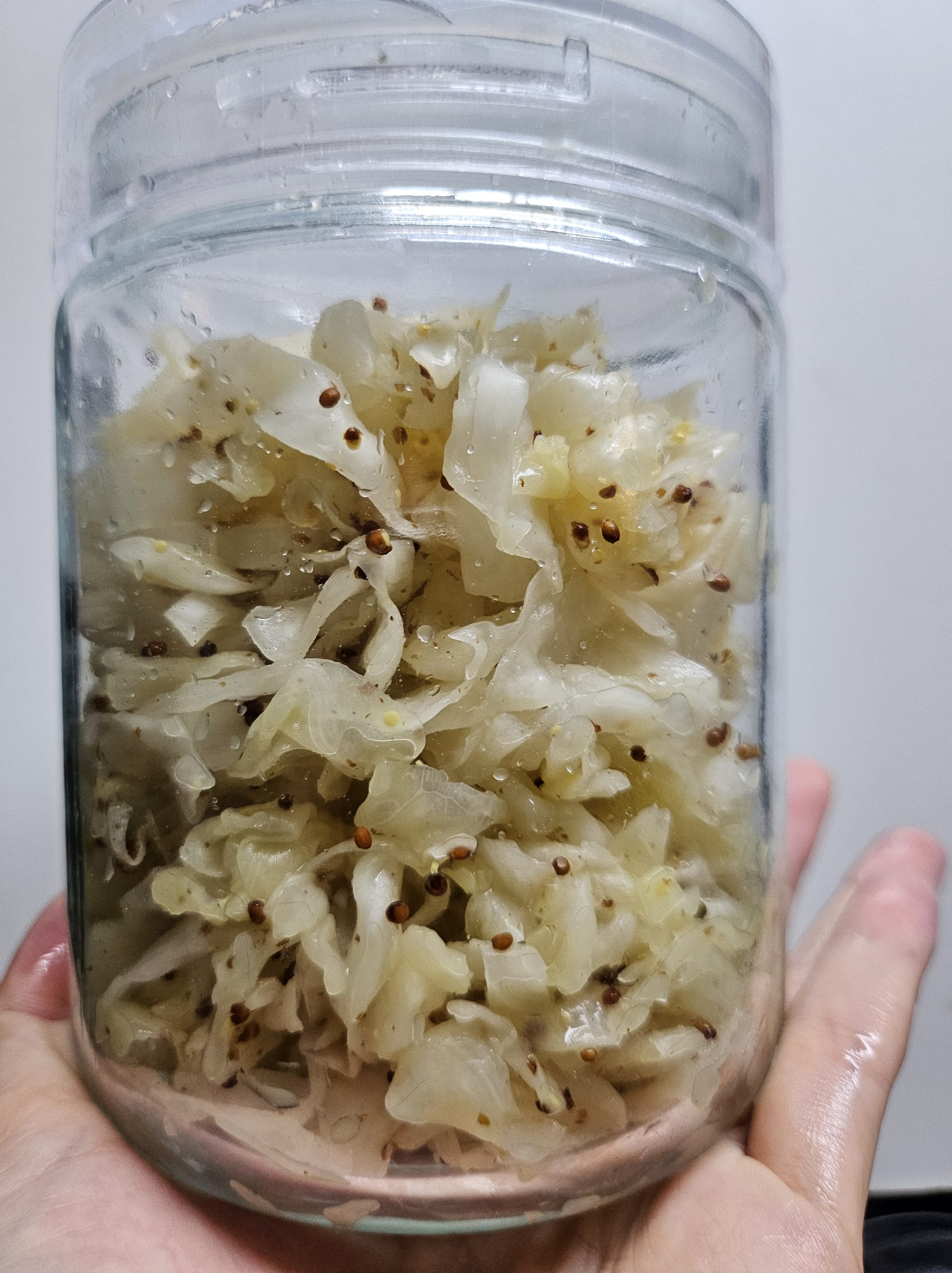
One of my favorite ways to practice mindful cooking is by making a quick, homemade version of sauerkraut — the kind that doesn’t take days to ferment. It’s fresh, crunchy, tangy, and ready to eat right away.


🥄 Ingredients

  • 1 small head of cabbage (about 1 kg)
  • 1 tablespoon salt (sea salt or non-iodized)
  • 1 tablespoon sugar
  • 1 tablespoon wholegrain mustard
  • 1 tablespoon vinegar (apple cider or white)

Optional: Add shredded carrots, apples, or a few peppercorns for color and texture.


👩‍🍳 Instructions

  1. Slice the cabbage thinly and place it in a large bowl.
  2. Add salt and gently massage for about 5 minutes until it softens and releases some liquid.
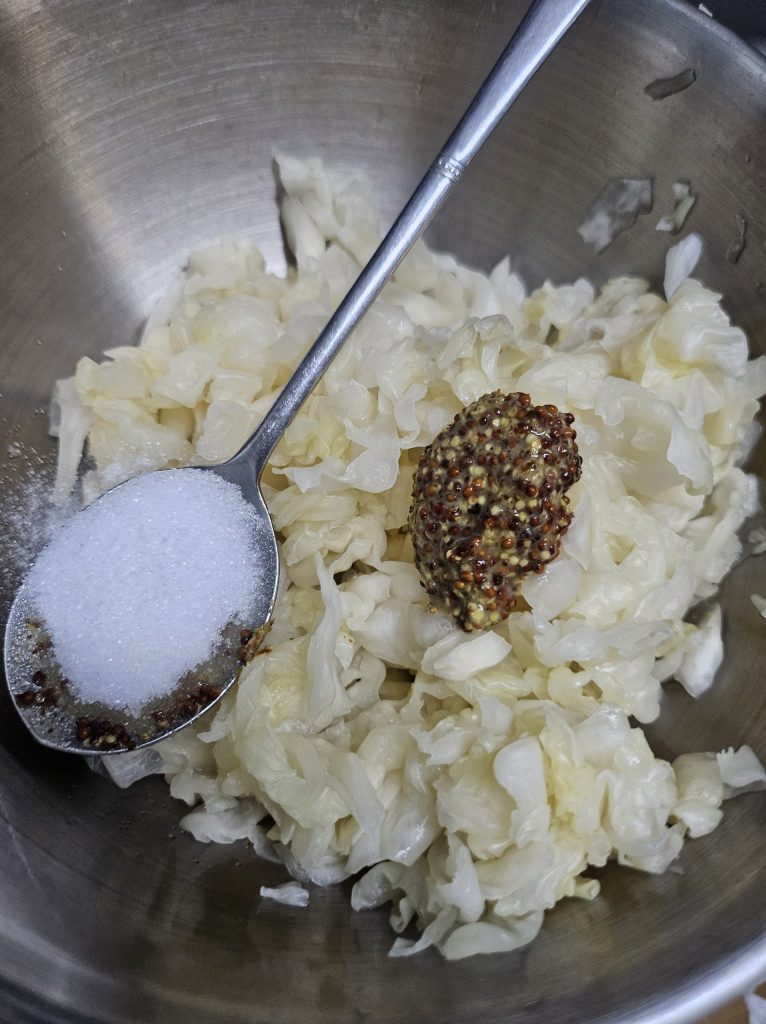
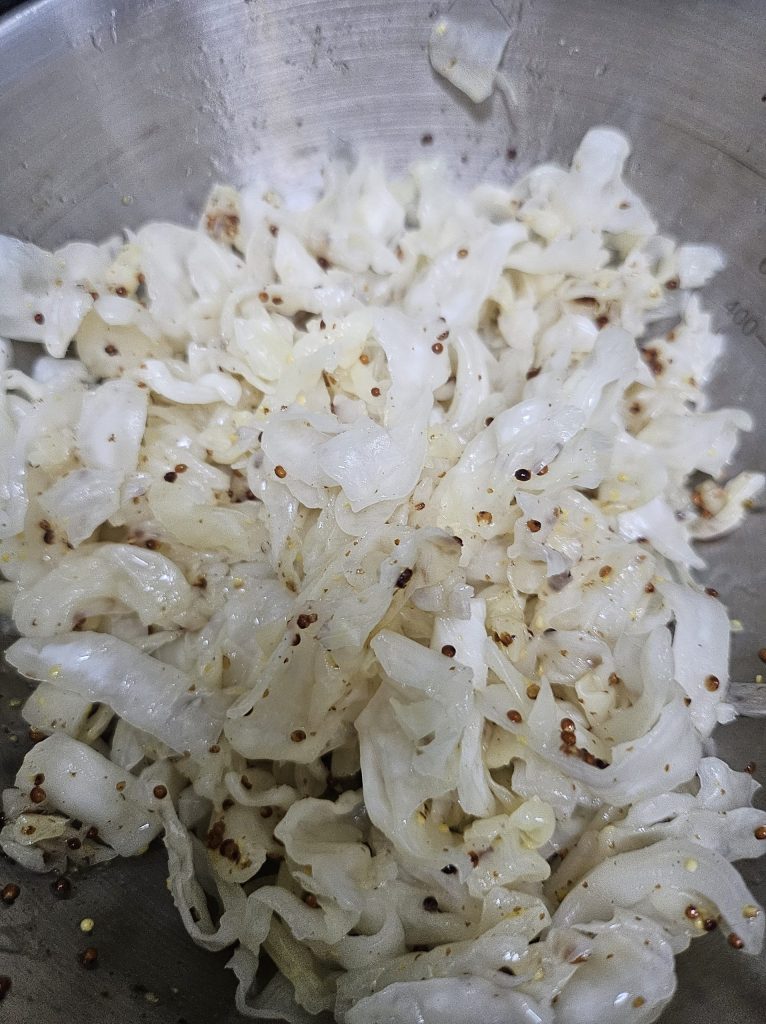
  3. Add sugar, mustard, and vinegar. Mix well until evenly coated.

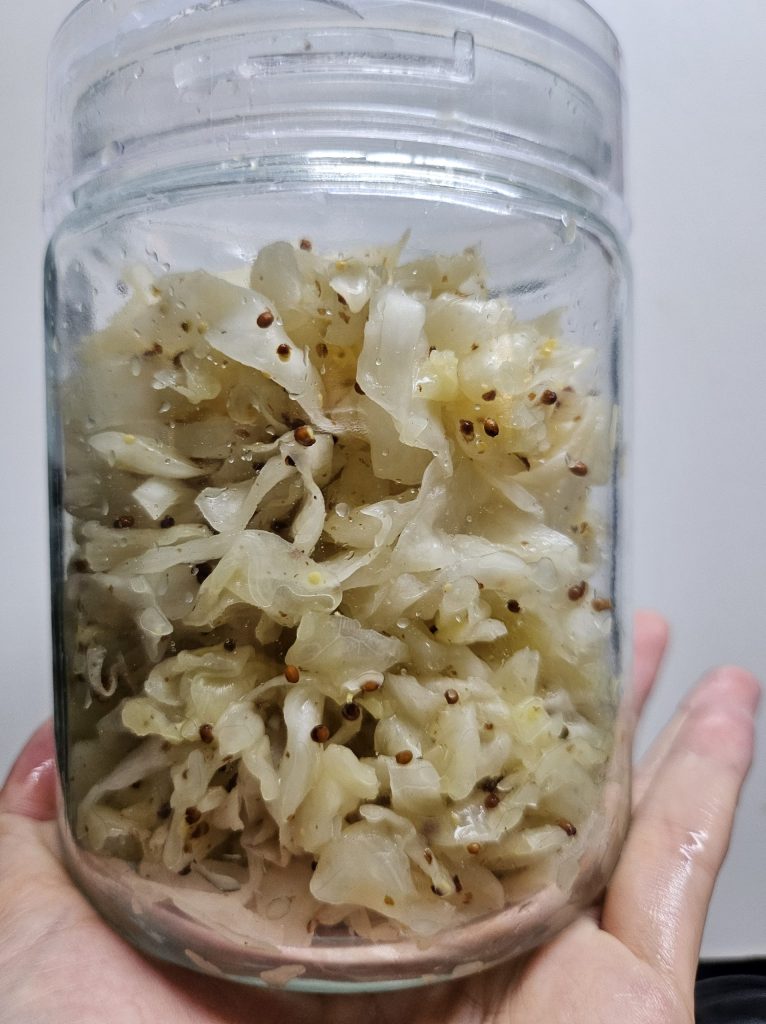
3. Transfer to a clean glass jar and press down lightly.
4. Let it sit for 10–15 minutes, then store it in the fridge. It’s ready to enjoy the same day!

This version isn’t the traditional German fermented sauerkraut — it’s a quick-pickled salad style, bright and tangy. But that’s what I love about it. It’s simple, spontaneous, and feels human. The gentle act of slicing, seasoning, and tasting each bite brings you back to the present — a small ritual of mindfulness in the middle of a busy day.

I like to eat my sauerkraut with pizza, chicken, or even rice dishes. The vinegar and mustard balance the heaviness and make everything taste fresh again. And since it’s homemade, I can control the sweetness and acidity — no preservatives, no additives, just ingredients I know and trust.

Sometimes when I make it, I catch myself smiling without realizing it. My hands are busy, but my mind is calm. The crisp sound of the cabbage, the sharp aroma of vinegar, and the soft yellow hue from the mustard — they all remind me that mindfulness doesn’t have to be quiet or slow. It can be alive, colorful, and delicious.

Cooking this way makes me appreciate intentionality. Even when it takes only 15 minutes, the act of creating something from scratch gives meaning to the moment. You realize that mindful living isn’t about how long something takes — it’s about how present you are while doing it.

So if you’re looking for a simple, fast way to bring mindfulness into your daily routine, start here.
One cabbage, four ingredients, and fifteen minutes — that’s all it takes to taste calm and clarity in one bite.

👉 If you’d like to read more about slow living and mindful cooking, check out my post Mindful Cooking: How Slowing Down in the Kitchen Can Reconnect You with Time.
How to make Homemade yogurt

Mindful Cooking: How Slowing Down in the Kitchen Can Reconnect You with Time

Mindful Cooking

Although I often write about slow living, I recently realized that cooking itself can be a form of mindfulness — and there’s even a term for it: “mindful cooking.”

We live in a world that moves faster than ever. Meals arrive within minutes, groceries can be delivered in an hour, and frozen dinners promise “less time, more efficiency.” But somewhere between heating things up and scrolling through another short video, we’ve lost something quiet but essential — our sense of time.

Mindful Cooking

We eat quickly so we can rest, but most of the time, that rest doesn’t come. We sit down and open our phones, telling ourselves we’re taking a break, yet our minds stay busy. Hours pass, and at the end of the day, it feels as though nothing truly happened.

That’s why I began cooking — slowly, intentionally, and without music or screens. It started simply. I just wanted to eat something fresh. But over time, I realized that cooking wasn’t only about food. It was about returning to time itself.

🌿 Rediscovering the Rhythm of Time

When you cook, everything slows down. You can’t rush onions into caramelizing, or force water to boil faster. You chop, you stir, you wait — and in those small pauses, you begin to feel time again.
The kitchen becomes a quiet clock. The sizzle of oil marks the present moment. The smell of garlic spreads like a reminder to breathe.

I used to feel impatient during these moments. I wanted things to cook faster, to finish sooner, to move on. But gradually, I began to enjoy the rhythm — the way time stretches and softens when you stop fighting it. Cooking taught me something I had forgotten:

Time is not an enemy to be defeated. It’s a companion you can cook with.

cooking meditation

🍅 The Sensory Meditation of Cooking

Mindful cooking is not about complicated recipes or perfect results. It’s about being here.
When you wash vegetables, feel the cold water on your hands. When you cut fruit, listen to the crisp sound of the knife. When you stir, notice how your breath syncs with your movement.

This is cooking as meditation — an invitation to focus, not force. It doesn’t require incense or silence, only your attention. The scent of herbs, the warmth of steam, the soft clinking of dishes — all of these become your reminders that life is happening right now, right here.

Even when things go wrong — when you burn something or spill flour — it’s part of the experience.
Cooking, like life, will never be perfect. But every mistake becomes another chance to practice patience, forgiveness, and curiosity.

⏳ Cooking as a Form of Reconnection

In a digital world, we often measure time by notifications and deadlines. Cooking offers a different kind of measure — one that’s physical and deeply human.
You see the dough rise, the soup simmer, the vegetables soften. You’re reminded that growth takes time, and that waiting isn’t wasted — it’s part of creation.

Every time I cook without rushing, I feel myself reconnecting — not only with food, but with my senses, my body, and even the people around me. Sharing a meal that took time reminds me that love itself takes time.

Even if you cook only once a week, make it a mindful moment. Turn off distractions. Feel your hands, smell the air, notice the sounds. You don’t need to be a chef. You just need to be present.

Mindful Cooking:

🍵 The Gentle Rebellion of Slow Life

Mindful cooking is more than a trend — it’s a quiet act of resistance against hurry.
In a culture that praises speed and productivity, choosing to slow down is radical.
Cooking reminds us that the most meaningful things in life — warmth, flavor, presence — cannot be rushed.

You don’t have to make something fancy.
Make a simple soup. Slice some fruit. Toast a piece of bread with care.
What matters is that for those few minutes, you are aware — alive in your body, awake in your moment, and grateful for the slowness that modern life so often forgets.

So next time you feel overwhelmed or disconnected, step into your kitchen.
Let the rhythm of mindful cooking bring you back to yourself.
Let it remind you that time was never lost — it was only waiting for you to slow down enough to meet it again.

👉 In my next post, I’ll share one of my favorite simple dishes — a homemade sauerkraut recipe that brings both calm and freshness to everyday life. a homemade yogurt recipe