
Recently I encountered an article suggesting that many people today simply cannot stand being alone—or more precisely, alone in silence. The moment they enter a quiet room, they reach for the remote, turn on music, or open YouTube. The silence becomes too heavy.
At first I thought: this is not just a social problem, but a clue into how we relate to our own minds.
I explored this idea more deeply—why silence feels uncomfortable, why we instinctively reach for noise, and how music can actually support mindful presence.
You can read the full piece here → Why We Struggle to Be Alone
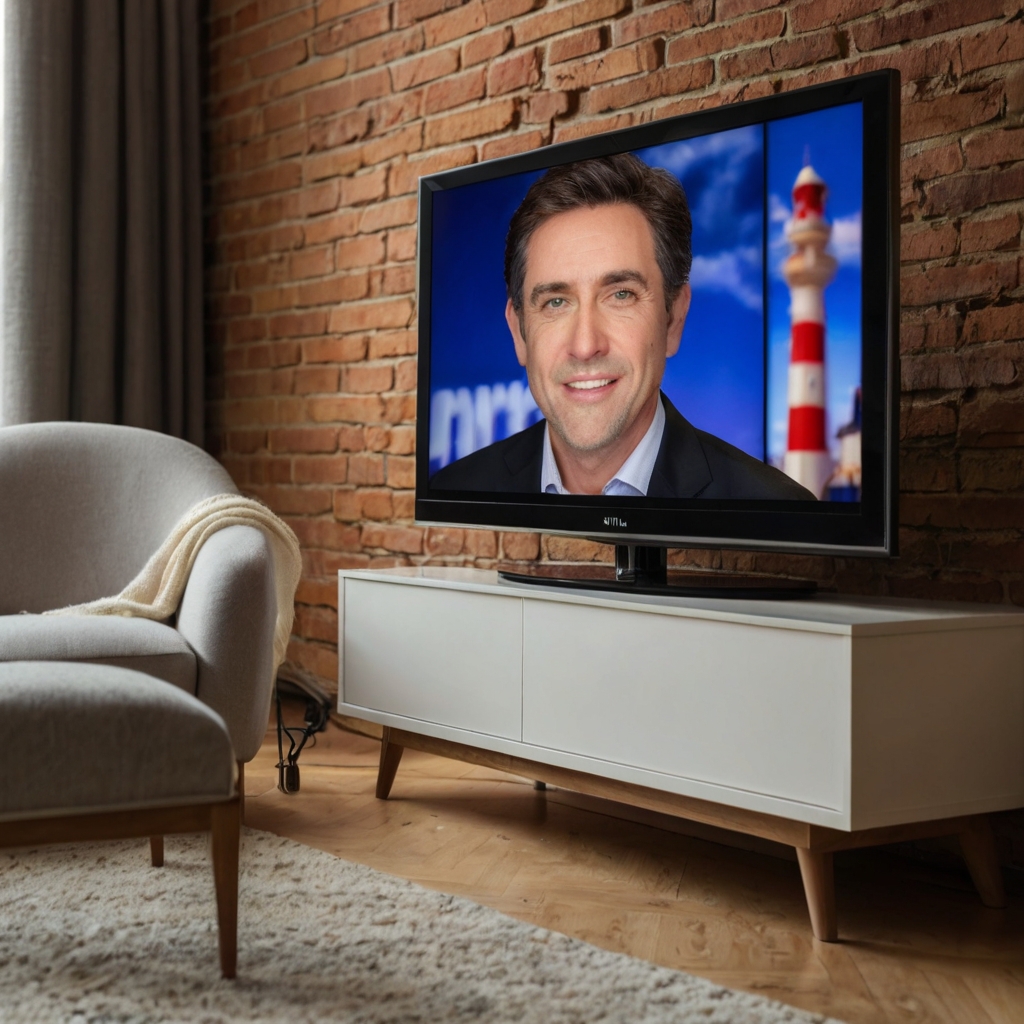
Why do so many of us feel this way?
First, modern life conditions us to avoid emptiness.
We carry phones in our hands even while walking across the room, we sleep with the TV on, we scroll before we rise. Silence is no longer a neutral space—it feels like a void to fill. The article pointed out that, when stripped of external noise, people often feel restless, anxious, or bored, and instinctively fill the space with sound to avoid that discomfort.
Second, background noise has become a form of psychological insurance.
If I keep music on, I’m not really alone with my thoughts—I’m accompanied by a rhythm, a voice, or a beat. The article noted that for many people the constant hum of music or video is less about enjoyment and more about not being alone with themselves. The noise is the companion.
But here’s the interesting part: That doesn’t automatically make background noise a bad thing. In fact, if it works for you—if music helps you focus, if the hum of a familiar playlist calms your nerves—then it is a valid tool. I count myself among those people. When I read, or when I work on something quietly, I sometimes play instrumentals or light ambient music. I notice two things happen: time passes more easily, and my mind seems more settled. I’m not running away from silence—I’m choosing a kind of supported presence.

Consider this: you walk into a room, turn on a mellow playlist, sit down with your book. Instead of thinking “I must entertain myself,” you think, “I’ll allow this sound, but I’ll stay with my thoughts too.” The playlist becomes a backdrop—not a distraction, but a frame. And the silence between the notes becomes part of your attention. You’re not filling the space; you’re inhabiting it.
The article made me reflect: maybe the piece many of us struggle with isn’t the quiet itself—it’s the lack of habit of being with our minds when nothing else demands our attention. If you’ve never spent time without external stimulation, then the first moment of silence feels like nothingness, and you recoil. So you turn on the TV, blur into a video again, and the pattern continues.
There’s also a deeper reason: when your attention always skips outward—toward sounds, screens, other people’s content—then your inner world becomes underfed. You don’t notice small moods, you don’t hear subtle thoughts, you don’t feel the turn of your desires. Your mind stays busy, but not attentively. I believe this is a core reason people feel a kind of quiet loneliness, even if they’re surrounded by noise.
For me, the choice to turn on music is not a capitulation. It’s a choice. I decide: “This is the sound I’ll accompany myself with while I stay with my thoughts.” I read, chop vegetables, or walk—all while a soft soundtrack hums. And because I’ve decided this, I’m not escaping. I’m staying. I’m inviting the sound and the silence to co-exist.
Here are a few gentle ideas if you want to experiment with your own background sound:
- Try instrumental music when reading: no lyrics, just tone and pacing. Notice how time moves.
- On a short walk, turn off your phone’s music/unpodcast for five minutes—just footsteps and ambient sound. Then switch music back and notice the difference.
- Cook something small and focus on the rhythm—the sound of chopping, the hiss of the pan—maybe with soft music in the background.
- If you feel uneasy in full silence, don’t force it. Choose a playlist that you like, but tell yourself: “I’ll still keep my mind present.”
Ultimately, the goal isn’t: “never turn on music.” It’s: “make a conscious choice about what sound I bring into my space—and what space I leave for my mind.” In doing so, we give ourselves practice in stillness, focus, and presence. And maybe, bit by bit, we begin to tolerate—and even appreciate—those quiet moments rather than fearing them.
Because when you learn to be with yourself—even while a low hum plays in the background—you build a relationship with your attention. You realize: I am here. I am listening. And in that listening, the need to constantly fill the space starts to soften.