
We often hear that humans are “social animals,” and that spending time alone is something to avoid. But as I was reading The Comfort Crisis recently, I realized how essential solitude actually is — not just for our emotional health, but for our creativity, productivity, and sense of meaning. Today’s chapter was so insightful that I wanted to shape it into a blog post.
According to the book, many people say they prefer living in the suburbs over the city. Interestingly, this preference has nothing to do with money. Researchers found that people simply want more mental space — a quieter environment where solitude is easier to access. In other words, what we crave is not necessarily a bigger house or a higher salary, but the ability to step away from noise and be alone without feeling guilty or anxious.
How Social Media “Dirties” Our Alone Time
One study from Miami University in Ohio really stood out to me. The researchers argue that modern social media has made it almost impossible for people to enjoy being alone. Instead of experiencing quiet moments, we immediately reach for our phones out of fear — the fear of missing out, fear of being excluded, fear that something exciting is happening without us. This is the classic FOMO we all know too well.
Even when we try to disconnect, our minds don’t know how to handle the silence. If a friend arrives late, we pull out our phones. If we’re sitting alone at a café, we scroll without thinking. It’s become a habit so automatic that solitude no longer feels like rest — it feels like a threat. Not because solitude is inherently scary, but because we were never taught how to spend time with ourselves.
The Surprising Benefits of Solitude
What’s ironic is that solitude brings incredible benefits backed by research. Good, intentional alone time can:
- Increase productivity
- Boost creativity
- Strengthen empathy
- Improve overall happiness
- Reduce self-consciousness and overthinking

When we allow ourselves to step away from constant stimulation, our minds actually reset. We become less reactive, less sensitive to others’ opinions, and more connected to who we are and what we want.
So if solitude is so good for us, why do we avoid it so much?
Why Being Alone Feels Hard
I think it’s because solitude requires us to face ourselves — our thoughts, our emotions, our doubts. Without a phone or soundtrack in the background, we are left with the question:
“What do I do with myself?”
Most of us don’t have an answer.
So we fill the quiet with noise — TV, music, scrolling, or checking updates from people we barely know.
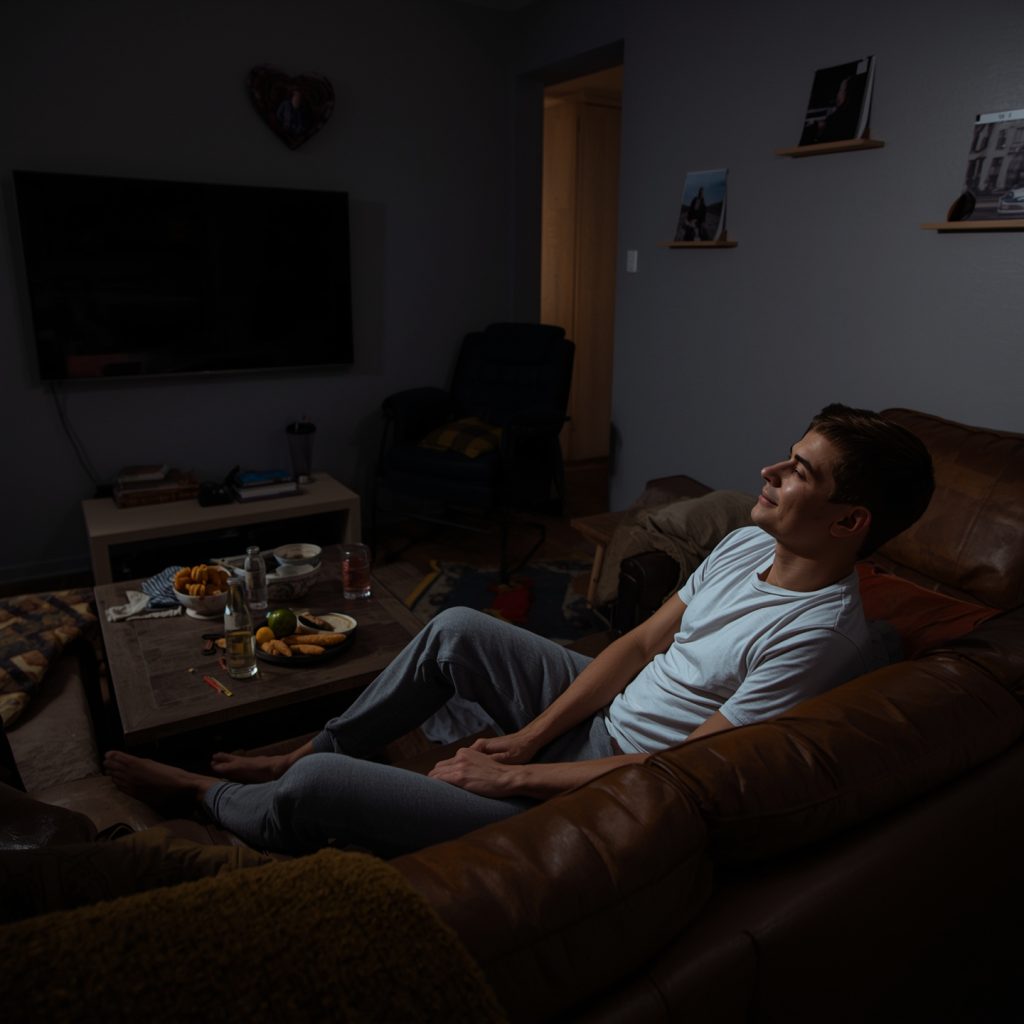
And this habit has long-term consequences. When we’re always distracted, even the moments spent with people become shallow. Think about it: if we cannot be fully present when we’re alone, how can we be fully present with someone else?
We end up investing more emotional energy into online strangers, influencers, or people we see once a year, instead of the people sitting right next to us.
Learning to Be Alone Is a Form of Self-Reliance
Life naturally changes. Friends move away, relationships evolve, and seasons of loneliness come and go. Because nothing — no friendship or relationship — stays perfectly the same forever, the only stable source of support is the ability to rely on ourselves.
Solitude isn’t about avoiding people.
It’s about building a foundation strong enough to stand on your own.
When you become comfortable being alone:
- You become less dependent on others emotionally
- You stop worrying about being “left out”
- You form healthier, more grounded relationships
- You gain clarity about your real needs and values
This is why spending intentional time alone isn’t selfish — it’s essential.
Questions Worth Asking Ourselves
As I reflect on this chapter, I find myself wondering:
- How often do I spend time alone without my phone?
- Am I afraid of silence?
- Do I use social media to avoid my own thoughts?
- When was the last time I waited for someone without scrolling?
- How can I create more meaningful “empty spaces” in my day?
Maybe solitude isn’t something that happens naturally — maybe it’s something we have to practice, like a skill.
And maybe learning to enjoy being alone is one of the most important strengths we can build in a world full of noise.